
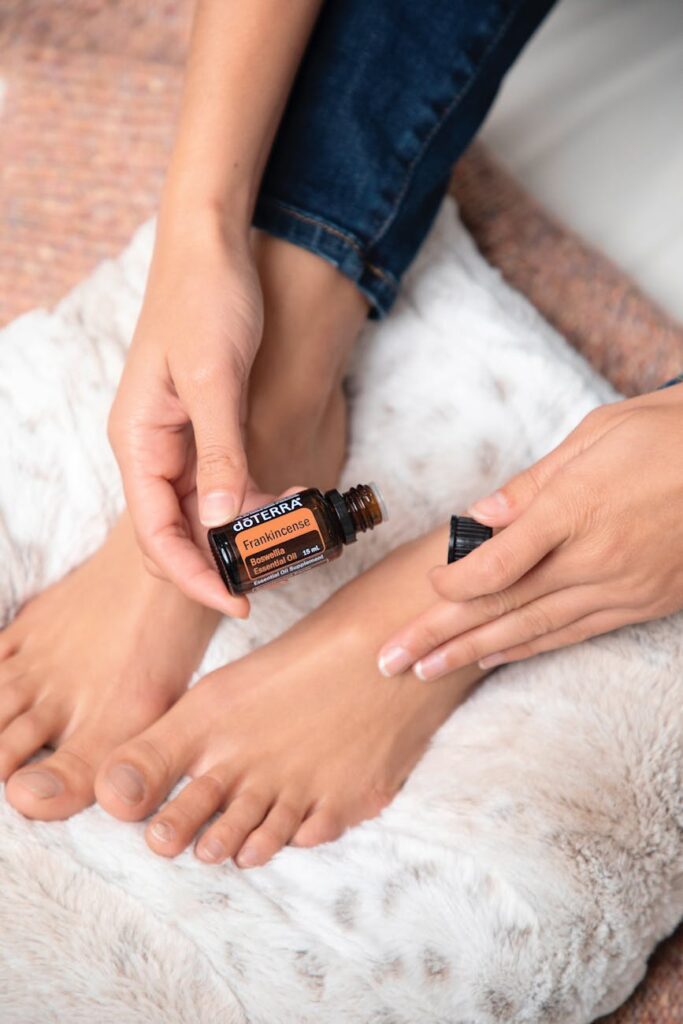
Complete Guide to Frankincense Oil Part 16
Introduction
Frankincense oil, derived from the resin of the Boswellia tree, has been cherished for centuries across various cultures for its aromatic and therapeutic properties. Renowned for its historical significance in ancient rituals, this essential oil continues to captivate individuals in the realms of aromatherapy, skincare, and holistic wellness. In this guide, we will explore the origins, benefits, applications, and safety considerations of frankincense oil, providing a comprehensive understanding of this remarkable substance.
What Is Frankincense Oil?
Frankincense oil is extracted from the resin of the Boswellia genus, particularly Boswellia serrata and Boswellia carterii. The resin is obtained through a process called tapping, where incisions are made in the tree bark, allowing the sap to ooze out and harden into a gum-like substance. Once the resin has hardened, it is collected and steam-distilled to produce the essential oil.
The oil has a warm, woody, and slightly spicy aroma, often described as grounding and meditative. Its historical use dates back to ancient civilizations, where it was valued for its sacred nature in religious ceremonies and its role in traditional medicine.
Key Benefits and Properties
Frankincense oil is celebrated for a variety of beneficial properties, making it a staple in both aromatherapy and natural skincare.
Anti-Inflammatory Properties
Research suggests that frankincense oil may possess anti-inflammatory effects, which can be beneficial for soothing irritated skin and promoting overall skin health.
Antiseptic Qualities
Historically, frankincense has been used for its antiseptic properties, making it a popular choice for cleansing wounds and preventing infection.
Emotional Well-Being
The aroma of frankincense is believed to promote feelings of calmness and relaxation. Many practitioners of aromatherapy use it to enhance meditation and reduce stress.
Immune Support
While not a substitute for medical treatment, frankincense oil is often used to support the immune system, due to its potential ability to strengthen the body’s natural defenses.
Common Uses
Frankincense oil can be used in various ways to harness its benefits:
Aromatherapy Diffusion
Using a diffuser, frankincense oil can be dispersed into the air, creating a tranquil environment conducive to relaxation and meditation.
Skin Care
Due to its soothing properties, frankincense oil is often added to skincare formulations to help reduce the appearance of scars, wrinkles, and blemishes.
Bathing
Adding a few drops of frankincense oil to a warm bath can create a serene atmosphere, enhancing relaxation and promoting emotional well-being.
Massage
When diluted with a carrier oil, frankincense can be used in massage therapy to provide a calming experience while potentially alleviating muscle tension.
Aromatherapy Applications
In aromatherapy, frankincense oil is often blended with other essential oils to enhance its effects. Some popular combinations include:
Frankincense and Lavender
This blend is recognized for its calming effects, making it ideal for promoting restful sleep and reducing anxiety.
Frankincense and Myrrh
Combining these two ancient resins creates a rich, grounding aroma that is often used in spiritual practices and meditation.
Frankincense and Citrus Oils
Blending frankincense with citrus oils like bergamot or orange can uplift mood while maintaining a sense of calm.
Safety Considerations
While frankincense oil is generally regarded as safe for most individuals, there are some precautions to keep in mind:
Skin Sensitivity
Before applying frankincense oil topically, it is advisable to perform a patch test to check for any allergic reactions. Dilution with a carrier oil is typically recommended to minimize the risk of skin irritation.
Pregnancy and Nursing
Pregnant and nursing individuals should consult with a healthcare provider before using frankincense oil or any essential oil, as certain oils may not be recommended during these periods.
Interactions with Medications
Frankincense oil may interact with certain medications. Those on medication should consult a healthcare professional before incorporating frankincense oil into their routine.
Ingestion
Ingesting essential oils is not recommended unless under the guidance of a qualified healthcare practitioner.
Storage and Shelf Life
To preserve the quality and potency of frankincense oil, proper storage is essential:
Storage Conditions
Store frankincense oil in a cool, dark place, away from direct sunlight and heat sources. A dark glass bottle is ideal for minimizing light exposure.
Shelf Life
When stored correctly, frankincense oil typically has a shelf life of 3 to 5 years. However, it is advisable to check for any changes in aroma or consistency, which may indicate it has gone stale.
Frequently Asked Questions
1. Can frankincense oil be used in cooking?
Frankincense oil is not typically used for culinary purposes and should not be ingested without professional guidance due to potential toxicity.
2. Is frankincense oil safe for children?
Essential oils, including frankincense, should be used with caution around children. It is recommended to consult a healthcare professional before using any essential oil on or around children.
3. How can I incorporate frankincense oil into my skincare routine?
Frankincense oil can be diluted with a carrier oil and applied to the skin or added to creams and lotions. Always conduct a patch test before widespread application.
4. What is the best way to diffuse frankincense oil?
Using a diffuser is the most effective method. Follow the manufacturer’s instructions for the appropriate number of drops, usually ranging from 3 to 6 drops for a standard diffuser.
5. Where can I buy quality frankincense oil?
Quality frankincense oil can be purchased from reputable essential oil retailers, health food stores, or online platforms specializing in natural products. Look for oils that are labeled as pure, therapeutic-grade, and sourced sustainably.
Conclusion
Frankincense oil is a versatile essential oil with a rich history rooted in tradition, spirituality, and holistic wellness. Its array of benefits, from promoting emotional well-being to enhancing skincare, makes it a valuable addition to any aromatherapy toolkit. As with any essential oil, understanding its properties, uses, and safety considerations is crucial for harnessing its full potential. Whether used in meditation, skin care, or simply to enjoy its enchanting aroma, frankincense oil continues to be a cherished resource in the world of natural wellness.