
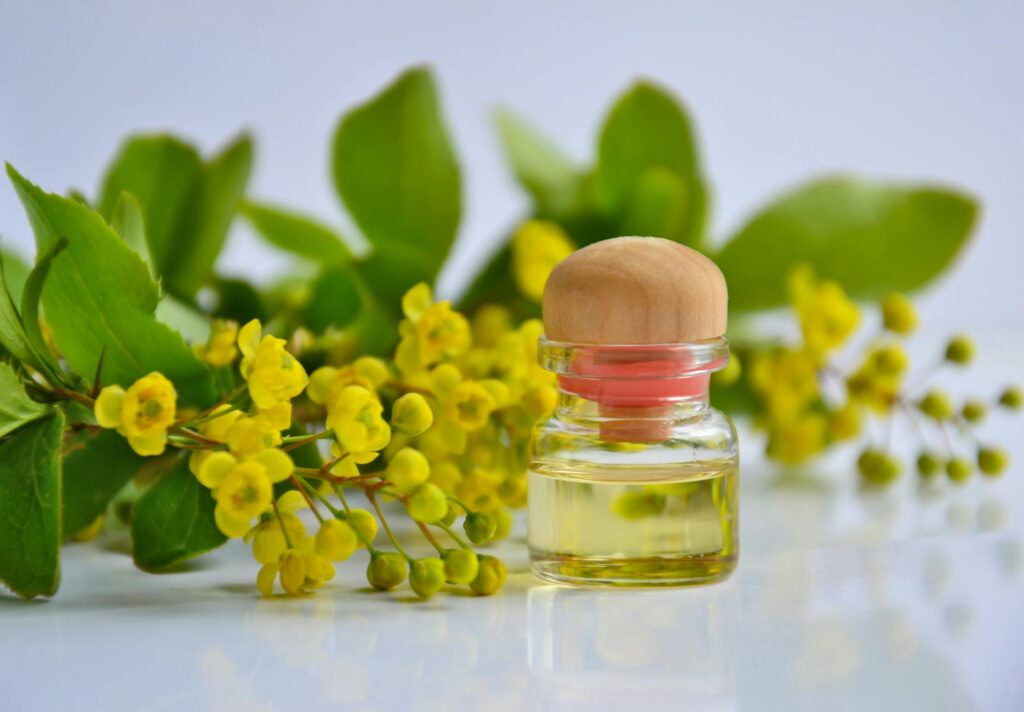
Complete Guide to Frankincense Oil Part 3
Introduction
Frankincense oil, derived from the resin of the Boswellia tree, has been revered for centuries in various cultures for its aromatic properties and potential benefits. This guide aims to provide a comprehensive understanding of frankincense oil, including its characteristics, applications, and safety considerations. Whether you are a seasoned aromatherapist or a curious newcomer, this article will serve as a valuable resource for exploring this remarkable essential oil.
What Is Frankincense Oil?
Frankincense oil is obtained through steam distillation of the resin from the Boswellia genus of trees, primarily Boswellia serrata. These trees are native to regions in Africa and the Arabian Peninsula. The oil is often pale yellow to amber in color and has a warm, spicy, and slightly woody aroma, making it a popular choice in perfumery, aromatherapy, and religious rituals.
The history of frankincense is rich, with references dating back to ancient Egypt, where it was utilized in ceremonial rites and as an offering to deities. Its significance extends to various spiritual traditions, and it has been linked to practices of meditation and grounding.
Key Benefits and Properties
Frankincense oil is celebrated for its numerous potential benefits and properties, which include:
1. Anti-inflammatory Properties
The oil contains boswellic acids, which have been studied for their anti-inflammatory effects. This makes frankincense oil a favored choice among individuals seeking natural support for inflammation-related discomfort.
2. Calming and Grounding
The aroma of frankincense is often described as calming and grounding. It is commonly used to promote a sense of peace and tranquility, making it popular in meditation and relaxation practices.
3. Skin Health
Frankincense oil is known for its astringent properties, which may help in reducing the appearance of scars and fine lines. It is often incorporated into skincare formulations for its potential rejuvenating effects.
4. Respiratory Support
Inhalation of frankincense oil is believed to support respiratory health. Its soothing aroma may help ease feelings of tension in the respiratory system.
5. Mood Enhancement
Some studies suggest that the scent of frankincense may positively influence mood and emotional well-being. It is often used in diffusers to create a calming atmosphere.
Common Uses
Frankincense oil has a wide array of applications, making it a versatile addition to any essential oil collection. Here are some common uses:
1. Aromatherapy
Frankincense oil is frequently diffused in homes and wellness centers to promote relaxation and reduce stress. Its warm scent can create an inviting atmosphere conducive to meditation and mindfulness practices.
2. Massage
When blended with a carrier oil, frankincense oil can be used in massage therapy. Its warming properties may enhance the experience, providing a soothing effect on muscles.
3. Skincare
In skincare formulations, frankincense oil is sometimes added to creams, lotions, and serums to harness its potential benefits for skin rejuvenation and healing.
4. Inhalation
Inhaling frankincense oil directly or through steam inhalation can support respiratory wellness and promote relaxation. This method can be particularly beneficial during times of seasonal discomfort.
5. Spiritual Practices
Frankincense has long been used in religious and spiritual contexts. It may be burned as incense or used in rituals to enhance meditation and prayer.
Aromatherapy Applications
In aromatherapy, frankincense oil can be employed in various ways:
1. Diffusion
Using a diffuser, a few drops of frankincense oil can be added to water to disperse its aroma throughout a room. This method is ideal for creating a calming environment.
2. Topical Application
When mixed with a carrier oil, frankincense can be applied to pulse points like wrists and neck for a long-lasting scent. A recommended dilution ratio is typically 2-3 drops of frankincense oil per teaspoon of carrier oil.
3. Bathing
Adding a few drops of frankincense oil to bathwater can enhance relaxation and create a spa-like experience. It is advisable to mix the oil with a carrier oil or bath salts to ensure even distribution.
4. Inhalation Techniques
Inhale directly from the bottle, or add a few drops to a bowl of steaming water for a facial steam. This method can be particularly effective for respiratory support.
Safety Considerations
While frankincense oil is generally considered safe, there are important safety considerations to keep in mind:
1. Dilution
Always dilute frankincense oil with a carrier oil before applying it to the skin. This helps prevent potential irritation or allergic reactions.
2. Patch Test
Perform a patch test before using frankincense oil topically for the first time. Apply a small diluted amount to an inconspicuous area and wait 24 hours to check for adverse reactions.
3. Pregnancy and Nursing
Pregnant or nursing women should consult a healthcare professional before using frankincense oil or any essential oils.
4. Avoiding Eye Contact
Keep frankincense oil away from the eyes and mucous membranes. If accidental contact occurs, rinse thoroughly with carrier oil or water.
5. Medical Conditions
Individuals with existing medical conditions or those taking medications should consult a healthcare provider prior to using frankincense oil, especially if considering it for therapeutic purposes.
Storage and Shelf Life
To ensure the longevity and efficacy of frankincense oil, proper storage is essential:
1. Storage Conditions
Frankincense oil should be kept in a cool, dark place away from direct sunlight and heat sources. A dark glass bottle is ideal for protecting the oil from light degradation.
2. Shelf Life
When stored properly, frankincense oil can last for several years. However, it is recommended to check for changes in aroma or consistency, which may indicate the oil has degraded.
Frequently Asked Questions
1. Can frankincense oil be ingested?
Ingestion of essential oils is a topic of debate among experts. It is generally advisable to avoid ingesting frankincense oil unless under the guidance of a qualified healthcare professional.
2. What is the best way to use frankincense oil for meditation?
For meditation, diffusing frankincense oil or applying it to pulse points can enhance the experience. Inhalation before starting meditation can help create a tranquil mindset.
3. Is frankincense oil safe for children?
Frankincense oil may be safe for older children when properly diluted. However, it is advisable to consult a healthcare professional before use, especially for younger children.
4. Can frankincense oil help with anxiety?
While many people find frankincense oil soothing, individual responses vary. It may promote relaxation and calmness, but it should not replace professional treatment for anxiety disorders.
5. Where can I purchase quality frankincense oil?
Quality frankincense oil can be found at health food stores, online retailers, and specialty shops. Look for oils labeled as 100% pure and sourced from reputable suppliers.
Conclusion
Frankincense oil is a multifaceted essential oil with a rich history and a wide range of applications. Its calming aroma and potential benefits have made it a staple in both aromatherapy and traditional practices. By understanding its properties, uses, and safety considerations, individuals can safely incorporate frankincense oil into their wellness routines. As with any essential oil, informed use is key to harnessing its full potential.