
Complete Guide to Frankincense Oil Part 7
Introduction
Frankincense oil, derived from the resin of the Boswellia tree, has been revered for centuries across various cultures for its aromatic qualities and potential health benefits. This essential oil not only serves as a cornerstone in traditional medicine and spiritual practices but has also found a significant place in modern aromatherapy. This guide aims to explore the multifaceted aspects of Frankincense oil, providing a comprehensive understanding of its properties, uses, and safety considerations.
What Is Frankincense Oil?
Frankincense oil is extracted from the gum resin of the Boswellia species, particularly Boswellia sacra, Boswellia carterii, and Boswellia serrata. The process of obtaining the oil involves tapping the trees to release the resin, which is then dried and distilled to produce the essential oil. The oil is known for its rich, warm, and woody aroma, often described as grounding and uplifting.
Historically, Frankincense has held significant importance in various cultures. It was one of the gifts presented to the infant Jesus by the Magi and has been used in religious ceremonies, perfumes, and traditional medicine for thousands of years. The oil is not only valued for its fragrance but also for its potential therapeutic properties.
Key Benefits and Properties
Frankincense oil is renowned for its diverse range of properties, making it a popular choice in holistic practices. Some of its key benefits include:
- Anti-Inflammatory: Frankincense oil is often cited for its potential anti-inflammatory properties, which may aid in reducing inflammation in the body.
- Antiseptic: The oil possesses antiseptic qualities, making it useful for cleaning minor cuts and wounds.
- Calming and Grounding: Its aroma is said to promote a sense of peace and tranquility, making it a popular choice for meditation and relaxation.
- Immune Support: Some believe that Frankincense oil can help support the immune system, although more research is needed in this area.
- Skin Health: Frankincense oil is commonly used in skincare formulations for its potential ability to rejuvenate the skin and reduce the appearance of scars and blemishes.
- Aromatherapy: Used in diffusers or inhalers to create a calming atmosphere.
- Massage: Blended with carrier oils for therapeutic massage to promote relaxation and relieve tension.
- Skin Care: Incorporated into lotions, creams, or serums to enhance skin health.
- Household: Utilized in homemade cleaning solutions for its antiseptic properties and pleasant aroma.
- Spiritual Practices: Burned as incense or used in rituals for its historical significance in promoting spiritual well-being.
- Dilution: Always dilute essential oils with a carrier oil before topical application to prevent skin irritation. A common dilution ratio is 2-3 drops of essential oil per teaspoon of carrier oil.
- Allergic Reactions: Conduct a patch test before using the oil on larger skin areas to check for any allergic reactions.
- Pregnancy and Breastfeeding: Pregnant or breastfeeding individuals should consult a healthcare professional before using essential oils, including Frankincense.
- Medical Conditions: Those with pre-existing medical conditions or those taking medications should consult with a healthcare professional prior to use.
- Storage: Store Frankincense oil in a cool, dark place away from direct sunlight and heat to maintain its integrity.
- Bottle: Keep the oil in its original dark glass bottle, which protects it from light exposure.
- Temperature: Store in a cool environment, ideally between 60°F to 70°F (15°C to 21°C).
- Shelf Life: When stored correctly, Frankincense oil can last up to 3-5 years. However, it is advisable to check for any changes in aroma or color, which may indicate spoilage.
It is essential to note that while these properties are widely acknowledged, scientific studies are still ongoing to fully substantiate many of these claims.
Common Uses
Frankincense oil has a variety of applications, making it a versatile component in both everyday life and specialized practices. Common uses include:
Aromatherapy Applications
In aromatherapy, Frankincense oil is prized for its ability to enhance emotional and mental well-being. The oil can be applied in several ways:
Diffusion
Using a diffuser, Frankincense oil can fill a room with its soothing aroma. A few drops can be added to the water in a diffuser to create a calming atmosphere that may help reduce stress and anxiety.
Inhalation
Inhaling the scent directly from the bottle or a cotton ball can provide quick relief during moments of stress. The oil’s grounding scent can help center the mind and promote relaxation.
Topical Application
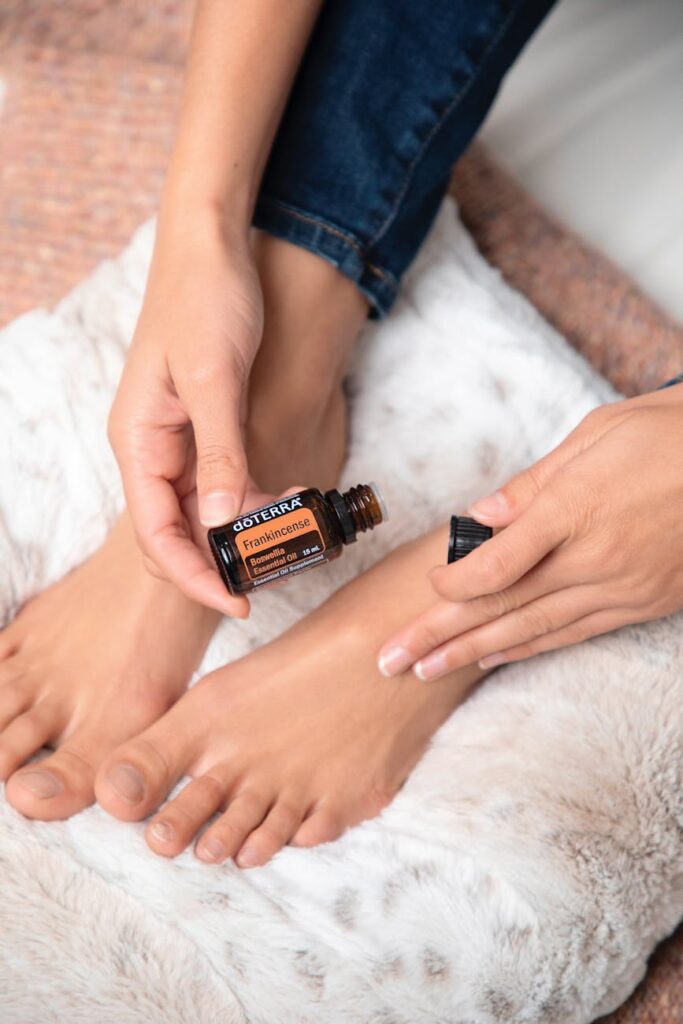
When diluted with a carrier oil, Frankincense oil can be applied to pulse points, such as the wrists or temples. This method is often used for its calming effects and can be particularly beneficial during meditation or yoga practices.
Bathing
Adding Frankincense oil to bathwater can create a luxurious and soothing experience. A few drops mixed with a carrier oil or bath salts can enhance relaxation and promote a sense of well-being.
Safety Considerations
While Frankincense oil is generally considered safe for most individuals when used appropriately, there are several safety considerations to keep in mind:
Storage and Shelf Life
Proper storage is crucial to preserving the quality of Frankincense oil. Here are some tips for storage:
Frequently Asked Questions
1. Can Frankincense oil be ingested?
Ingesting essential oils is not generally recommended unless advised by a qualified healthcare professional. Frankincense oil is primarily used topically or in aromatherapy.
2. Is Frankincense oil safe for children?
While Frankincense oil can be used in children over the age of 2, it should always be diluted appropriately, and it is advisable to consult a healthcare professional prior to use.
3. How can I tell if my Frankincense oil is pure?
To ensure the quality of Frankincense oil, look for products that are labeled as 100% pure and are sourced from reputable suppliers. Additionally, checking for third-party testing can provide further assurance of purity.
4. Can I use Frankincense oil for skin conditions?
Frankincense oil is commonly used in skin care formulations, and many people find it beneficial for various skin conditions. However, it is advisable to conduct a patch test first and consult a dermatologist for specific concerns.
5. What are the differences between the various types of Frankincense oil?
Different species of Boswellia produce distinct aromas and may have varying properties. Boswellia sacra is often considered the finest quality, while Boswellia serrata is popularly used in traditional medicine. Understanding these differences can help in selecting the right type for specific uses.
Conclusion
Frankincense oil stands as a testament to the enduring relationship between humans and nature, offering both aromatic pleasures and potential therapeutic benefits. As we continue to explore the vast world of essential oils and their applications, Frankincense remains a staple in aromatherapy, skincare, and spiritual practices. By understanding its properties, uses, and safety considerations, individuals can fully appreciate the value of this ancient oil in modern life.