
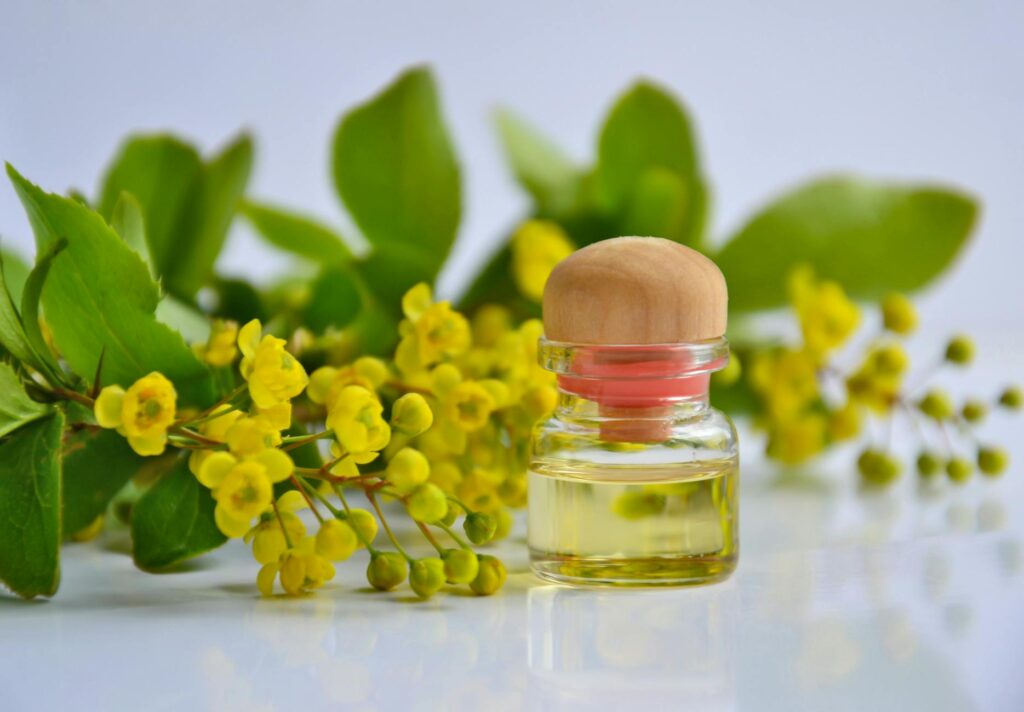
Complete Guide to Frankincense Oil Part 7
Introduction
Frankincense oil, derived from the resin of the Boswellia tree, has been cherished for centuries for its aromatic, spiritual, and therapeutic properties. Its rich history spans across various cultures and traditions, making it a significant component in religious ceremonies, traditional medicine, and modern aromatherapy practices. This article aims to provide a comprehensive understanding of frankincense oil, its benefits, applications, and safety considerations.
What Is Frankincense Oil?
Frankincense oil is an essential oil obtained from the resin of the Boswellia species, particularly Boswellia serrata, Boswellia carterii, and Boswellia frereana. The extraction process typically involves steam distillation, which captures the fragrant compounds within the resin. The oil is characterized by its warm, woody, and slightly spicy aroma, making it a popular choice in perfumery and incense.
Historically, frankincense has been used in various cultural rituals, including ancient Egyptian embalming practices, and is mentioned in religious texts, such as the Bible. Today, it continues to be valued for its diverse applications and benefits.
Key Benefits and Properties
Frankincense oil boasts several intrinsic properties that contribute to its popularity:
1. Anti-Inflammatory: Frankincense contains boswellic acids, which have been studied for their potential to reduce inflammation in the body.
2. Antiseptic: The oil is known for its ability to inhibit microbial growth, making it useful for preventing infections.
3. Astringent: Frankincense oil may help tighten and tone skin, contributing to its use in skincare formulations.
4. Calming: The soothing aroma of frankincense is believed to promote relaxation and emotional well-being, making it a staple in meditation practices.
5. Immune Support: Some users report that frankincense oil can support the immune system, though research is ongoing.
6. Skin Health: It is often incorporated into skincare products for its potential to improve the appearance of scars, stretch marks, and signs of aging.
Common Uses
Frankincense oil is versatile and can be used in various ways, including:
- Aromatherapy: Diffusing frankincense oil can create a calming environment, conducive to meditation and relaxation.
- Topical Applications: When diluted with a carrier oil, frankincense can be applied to the skin to promote a healthy appearance.
- Household Cleaning: Its antiseptic properties make it a natural choice for homemade cleaning solutions.
- Spiritual Practices: Traditionally used in religious ceremonies, frankincense is also employed in personal rituals for grounding and spiritual connection.
Aromatherapy Applications
In aromatherapy, frankincense oil is often used to enhance emotional and mental well-being. Here are some common applications:
1. Diffusion: Add a few drops of frankincense oil to a diffuser to create a serene atmosphere. This can be especially beneficial during meditation, yoga, or study sessions.
2. Inhalation: Direct inhalation of frankincense oil can help ease stress and anxiety. Place a drop on a tissue or cotton ball and breathe deeply.
3. Massage: Combining frankincense oil with a carrier oil, such as sweet almond or jojoba, can enhance the benefits of massage therapy. It may promote relaxation and relieve tension.
4. Bathing: Adding a few drops to a warm bath can create a soothing experience, allowing for both relaxation and skin benefits.
5. Room Sprays: Create a natural room spray by mixing frankincense oil with water and a small amount of alcohol or witch hazel. This can help purify the air and create a calming space.
Safety Considerations
While frankincense oil is generally regarded as safe for most users, there are essential safety considerations to keep in mind:
1. Dilution: Always dilute frankincense oil with a carrier oil before applying it to the skin to prevent irritation. A common dilution ratio is 1-2 drops of essential oil per teaspoon of carrier oil.
2. Allergic Reactions: Conduct a patch test before using frankincense oil topically. Apply a small amount to a discreet area of skin and observe for any adverse reactions.
3. Pregnancy and Nursing: Pregnant or nursing individuals should consult a healthcare professional before using frankincense oil.
4. Medical Conditions: Those with existing health conditions or concerns should seek advice from a qualified practitioner before incorporating frankincense oil into their routines.
5. Children: Use caution when using essential oils around children. Always consult a pediatrician for appropriate guidance.
Storage and Shelf Life
To ensure the longevity of frankincense oil, proper storage is critical:
1. Container: Store frankincense oil in a dark glass bottle to protect it from light, which can degrade its quality.
2. Temperature: Keep the oil in a cool, dry place away from direct sunlight and heat sources to maintain its potency.
3. Shelf Life: When stored correctly, frankincense oil can last for several years. However, it is advisable to check for changes in aroma, color, or viscosity, as these may indicate degradation.
Frequently Asked Questions
1. What is the origin of frankincense oil?
Frankincense oil is derived from the resin of Boswellia trees, primarily found in regions such as Africa and the Arabian Peninsula.
2. Can frankincense oil be ingested?
While some essential oils are safe for ingestion, frankincense oil is generally not recommended for internal use without the guidance of a qualified healthcare professional.
3. How do I choose high-quality frankincense oil?
Look for oils that are labeled as 100% pure, therapeutic grade, and sourced from reputable suppliers. Check for third-party testing or certification for additional assurance.
4. Is frankincense oil safe for sensitive skin?
While many people can use frankincense oil without issue, those with sensitive skin should perform a patch test and consider using a lower concentration.
5. Can frankincense oil help with stress relief?
Many users find frankincense oil beneficial for promoting relaxation and reducing stress, particularly when used in aromatherapy practices.
Conclusion
Frankincense oil stands as a testament to the rich history and versatility of essential oils. Its unique properties and diverse applications make it a valuable addition to anyone’s wellness toolkit. However, as with any essential oil, understanding its benefits, proper usage, and safety considerations is essential for maximizing its potential. By incorporating frankincense oil thoughtfully into daily practices, individuals can experience its array of benefits while embracing a time-honored tradition.