
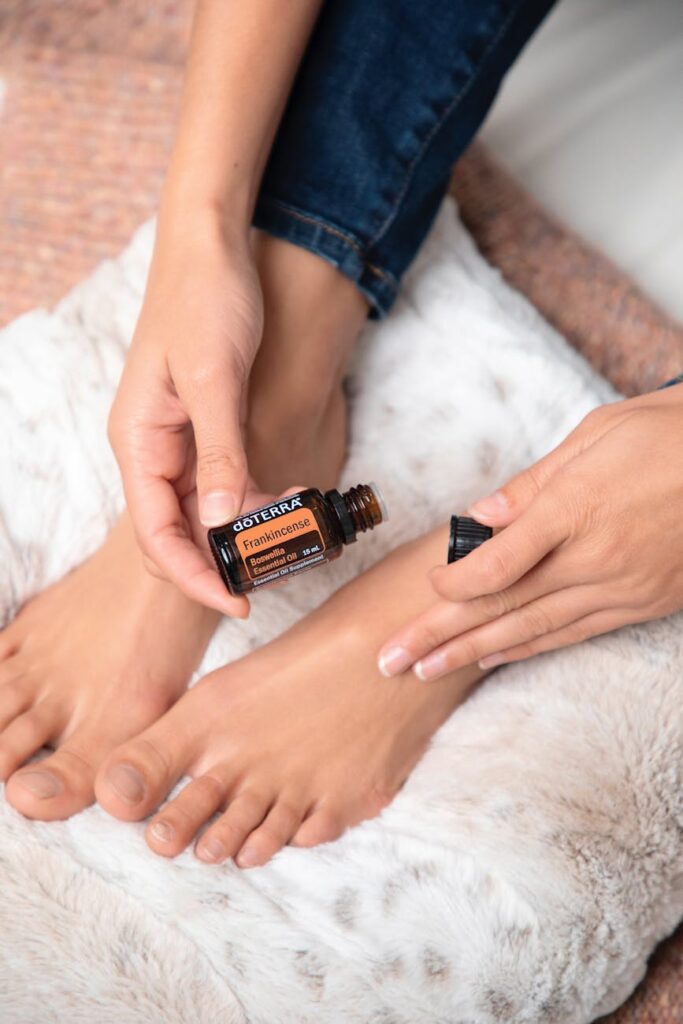
Complete Guide to Frankincense Oil Safety
Introduction
Frankincense oil, derived from the resin of the Boswellia tree, has been treasured for centuries for its aromatic properties and potential therapeutic benefits. Its deep, resinous scent has made it a staple in various cultural rituals, from religious ceremonies to traditional medicine. However, as with all essential oils, understanding its safety and proper usage is crucial for maximizing benefits while minimizing risks. This guide aims to provide a comprehensive overview of frankincense oil safety, including its benefits, common uses, and essential safety considerations.
What Is Frankincense Oil Safety?
Frankincense oil safety refers to the practices and precautions necessary to ensure the safe use of this essential oil. Given its potency, frankincense oil must be handled with care. Factors such as dosage, method of application, and individual sensitivities can significantly influence its safe use. Understanding these elements is essential for anyone interested in incorporating frankincense oil into their wellness routine.
Key Benefits and Properties
Frankincense oil is known for its diverse range of properties, making it popular in both aromatherapy and holistic practices. Some of its key benefits include:
1. Anti-Inflammatory: Frankincense oil is often cited for its potential anti-inflammatory properties, which may help soothe discomfort and promote healing.
2. Antiseptic: The oil has been recognized for its antiseptic qualities, making it useful in skin care formulations.
3. Calming Effects: Its warm and woody aroma is thought to promote relaxation, reduce stress, and enhance mental clarity.
4. Immune Support: Some proponents suggest that frankincense oil may support the immune system, particularly during periods of illness.
5. Skin Health: Frankincense oil is commonly used in cosmetic products for its ability to promote a healthy complexion and reduce the appearance of scars.
Common Uses
Frankincense oil is versatile and can be used in various ways, including:
- Diffusion: Adding a few drops to a diffuser can fill a room with its calming aroma, promoting relaxation and reducing stress.
- Topical Application: When diluted with a carrier oil, frankincense oil can be applied to the skin to enhance skin health or relieve minor irritations.
- Bath Additive: A few drops mixed into a warm bath can create a soothing experience, promoting mental clarity and relaxation.
- Massage: Blending frankincense oil with a carrier oil for massage can enhance the sensory experience and provide the potential benefits of relaxation and stress relief.
- Meditation: Diffusing frankincense oil during meditation can create a serene environment, helping practitioners focus and center their thoughts.
- Stress Relief: Inhaling the aroma of frankincense may help reduce feelings of anxiety and promote a sense of calm.
- Sleep Aid: Incorporating frankincense oil into bedtime rituals may support restful sleep by creating a tranquil atmosphere.
- Keep It Cool: Store frankincense oil in a cool, dark place away from direct sunlight and heat sources to prevent degradation.
- Use Dark Glass Containers: Essential oils should preferably be stored in dark glass bottles to protect them from light exposure, which can alter their chemical composition.
- Tightly Sealed: Ensure the bottle is tightly sealed to prevent evaporation and contamination.
- Shelf Life: When stored correctly, frankincense oil can last for several years, but it’s advisable to check for any changes in aroma, color, or viscosity before use. If the oil develops an off smell or appears cloudy, it may have gone bad and should be discarded.
Aromatherapy Applications
In aromatherapy, frankincense oil is celebrated for its grounding and centering properties. It is often used in meditation practices to enhance spiritual experiences and deepen breathing. Here are a few common applications in aromatherapy:
Safety Considerations
While frankincense oil is generally regarded as safe for most individuals when used appropriately, there are several safety considerations to keep in mind:
1. Dilution: Essential oils are concentrated substances and should be diluted in a carrier oil before topical application. A general guideline is to use a ratio of 2-3 drops of essential oil per teaspoon of carrier oil.
2. Skin Sensitivity: Conduct a patch test before applying frankincense oil to larger areas of skin. Apply a diluted drop to a small area and wait 24 hours to check for any adverse reactions.
3. Pregnancy and Nursing: Pregnant and nursing individuals should consult a healthcare professional before using frankincense oil, as some essential oils may not be safe during these periods.
4. Children: Frankincense oil should be used with caution around children. It is advisable to consult a pediatrician for guidance on safe usage.
5. Medical Conditions: Individuals with specific medical conditions or those taking medication should seek advice from a qualified healthcare professional before using frankincense oil.
6. Inhalation: When diffusing, ensure adequate ventilation in the area to avoid overwhelming the senses. Inhaling too much essential oil at once can lead to headaches or respiratory irritation.
Storage and Shelf Life
Proper storage is essential for maintaining the quality and potency of frankincense oil. Here are some tips for optimal storage:
Frequently Asked Questions
1. Can frankincense oil be ingested?
Ingestion of frankincense oil is not generally recommended without the guidance of a healthcare professional. Essential oils are highly concentrated and can cause adverse reactions if consumed improperly.
2. Is frankincense oil safe for sensitive skin?
Frankincense oil can be irritating to sensitive skin, so it’s crucial to dilute it properly before applying. A patch test is advisable for anyone with sensitive skin.
3. Can I use frankincense oil during pregnancy?
Pregnant individuals should seek advice from a healthcare professional before using frankincense oil, as certain essential oils can have contraindications during pregnancy.
4. How can I tell if my frankincense oil is pure?
To ensure the purity of frankincense oil, purchase from reputable sources that provide information on sourcing and testing. Look for organic certifications and third-party testing to confirm quality.
5. Can frankincense oil interact with medications?
Frankincense oil may interact with certain medications, so individuals taking prescription drugs should consult a healthcare professional before use.
Conclusion
Frankincense oil is a remarkable essential oil with a rich history and a variety of potential benefits. However, understanding its safety considerations is paramount for those looking to incorporate it into their daily routines. By adhering to recommended practices for dilution, storage, and usage, individuals can enjoy the aromatic and therapeutic properties of frankincense oil safely and effectively. Always consult with healthcare professionals when uncertain about the use of essential oils, especially in special circumstances like pregnancy or pre-existing health conditions.