
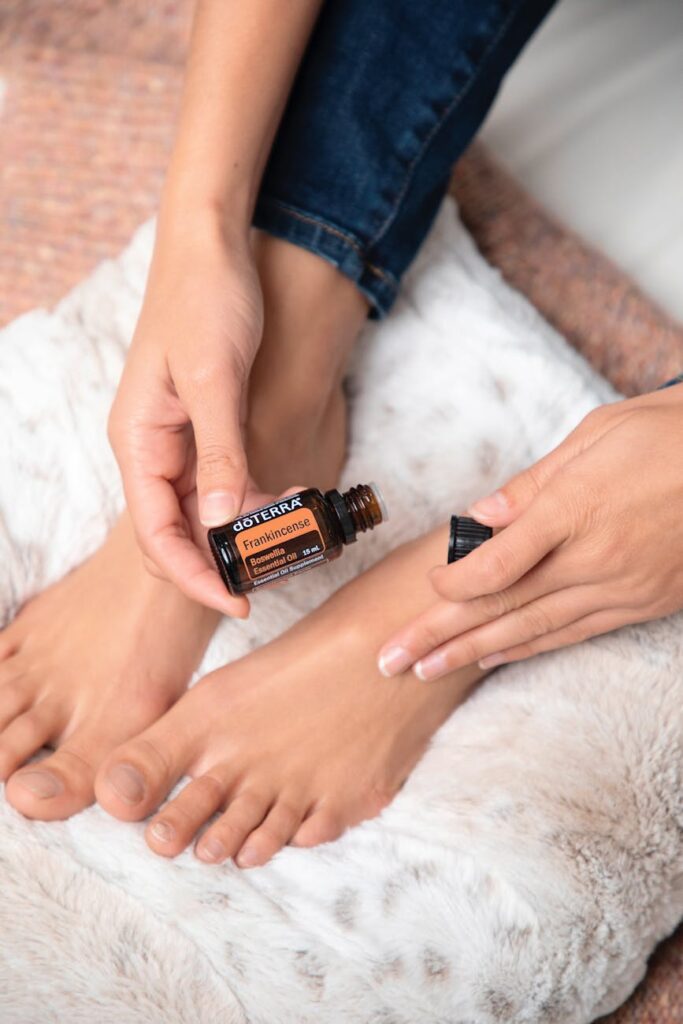
Complete Guide to Frankincense Oil
Introduction
Frankincense oil, derived from the resin of the Boswellia tree, has been revered for centuries for its aromatic properties and various uses. Known for its rich, warm scent, it has played a significant role in religious, cultural, and medicinal practices throughout history. This guide will delve into the composition, benefits, applications, and safety considerations surrounding this treasured essential oil.
What Is Frankincense Oil?
Frankincense oil is extracted from the resin of trees belonging to the Boswellia genus, primarily Boswellia sacra, Boswellia carterii, and Boswellia frereana. The resin is harvested through a method called tapping, where incisions are made in the bark, allowing the sap to ooze out and harden. Once dried, this sap is collected and steam-distilled to produce the essential oil.
The oil is characterized by its warm, spicy, and slightly woody aroma, which can evoke a sense of calm and grounding. Frankincense has been used in various cultures for thousands of years, notably in ancient Egypt, where it was utilized in religious ceremonies and as an embalming agent.
Key Benefits and Properties
Frankincense oil is known for a variety of beneficial properties that make it a valuable addition to aromatherapy and holistic practices. Some of its key benefits include:
1. Anti-Inflammatory Properties
Frankincense contains compounds like boswellic acids, which have been shown to exhibit anti-inflammatory effects. This makes it a popular choice for those seeking natural solutions for inflammation-related concerns.
2. Antimicrobial Effects
Research has suggested that frankincense oil may possess antimicrobial properties, making it useful in addressing certain types of bacteria and fungi.
3. Emotional Balance
The oil is often associated with emotional healing, as it may help reduce stress and anxiety. Its calming aroma is believed to promote relaxation and a sense of well-being.
4. Skin Health
Frankincense oil is commonly used in skincare formulations due to its ability to support healthy skin. It may help reduce the appearance of scars and blemishes and improve overall skin tone.
5. Respiratory Support
Inhalation of frankincense oil is thought to support the respiratory system, making it a popular choice during colds or allergic reactions.
Common Uses
Frankincense oil has a wide array of applications across various fields. Here are some of the most common uses:
1. Aromatherapy
Frankincense is a staple in aromatherapy due to its calming properties. It can be diffused in a room to create a peaceful environment or added to a personal inhaler for on-the-go relaxation.
2. Skincare
In skincare, frankincense oil is often incorporated into serums, creams, and lotions. It is particularly favored for its ability to enhance skin appearance and support regeneration.
3. Massage
When diluted with a carrier oil, frankincense can be used in massage therapy to promote relaxation and alleviate tension in the muscles.
4. Meditation and Spiritual Practices
Frankincense is frequently used in meditation and spiritual ceremonies. Its grounding aroma is believed to enhance focus and deepen the meditative experience.
5. Household Uses
Frankincense oil can also be used in cleaning products due to its antimicrobial properties. A few drops can help create a fresh aroma in your home while also promoting cleanliness.
Aromatherapy Applications
In aromatherapy, frankincense oil can be utilized in several ways:
1. Diffusion
Adding a few drops of frankincense oil to a diffuser can help purify the air and create a tranquil atmosphere. It is often combined with other essential oils such as lavender or sandalwood for enhanced effects.
2. Inhalation
Inhaling frankincense oil directly from the bottle or a personal inhaler can provide immediate stress relief and promote emotional balance.
3. Topical Application
When diluted with a carrier oil, frankincense can be applied to pulse points or areas of concern. It is commonly used in beauty routines for its skin benefits.
4. Bathing
Adding a few drops of frankincense oil to bathwater can transform a regular bath into a soothing, aromatic experience. Pairing it with Epsom salts can enhance relaxation.
Safety Considerations
While frankincense oil is generally considered safe for use, it is essential to take certain precautions:
1. Dilution
Always dilute frankincense oil with a carrier oil before applying it topically. A common dilution ratio is 2-3 drops of essential oil per teaspoon of carrier oil.
2. Skin Sensitivity
Perform a patch test before using frankincense oil on the skin to check for potential allergic reactions. Apply a small amount to an inconspicuous area and observe for any adverse effects.
3. Avoiding Ingestion
Frankincense oil is not intended for internal use unless under the guidance of a qualified healthcare professional.
4. Pregnancy and Nursing
Pregnant or nursing individuals should consult with a healthcare provider before using essential oils, including frankincense.
5. Medical Conditions
Consult with a healthcare professional if you have any pre-existing medical conditions or are taking medications that might interact with frankincense oil.
Storage and Shelf Life
To maintain the quality and efficacy of frankincense oil:
1. Storage
Store the oil in a cool, dark place, away from direct sunlight and heat sources. A dark glass bottle is ideal for protecting the oil from light degradation.
2. Shelf Life
When stored properly, frankincense oil can last for several years. However, it is advisable to check for changes in scent, color, or consistency before use, as these may indicate that the oil has gone rancid.
Frequently Asked Questions
1. Can I use frankincense oil for cooking?
Frankincense oil is not recommended for culinary use, as it is intended primarily for aromatherapy and topical applications.
2. What are the best essential oils to blend with frankincense?
Frankincense blends well with various essential oils, including myrrh, cedarwood, sandalwood, lavender, and orange. Each combination can create a unique aromatic profile and enhance therapeutic effects.
3. Is frankincense oil safe for children?
While frankincense oil is generally safe, it is advisable to consult with a healthcare provider before using it on children, especially in topical applications.
4. How can I tell if my frankincense oil is pure?
To ensure the quality of frankincense oil, purchase from reputable brands that provide information about sourcing and distillation methods. Look for oils labeled as “100% pure” and consider checking for third-party testing.
5. Can frankincense oil help with stress and anxiety?
Many users report positive effects on stress and anxiety when using frankincense oil in aromatherapy. However, individual experiences may vary, and it is essential to approach its use as a complementary practice rather than a primary treatment.
Conclusion
Frankincense oil is a remarkable essential oil with a rich history and a multitude of applications. Its calming aroma and various benefits make it a favorite in the realms of aromatherapy, skincare, and spiritual practices. By understanding its properties, uses, and safety considerations, individuals can effectively incorporate this ancient oil into their holistic wellness routines. Whether used for emotional support, skincare, or meditation, frankincense oil continues to be a cherished natural resource in modern times.