
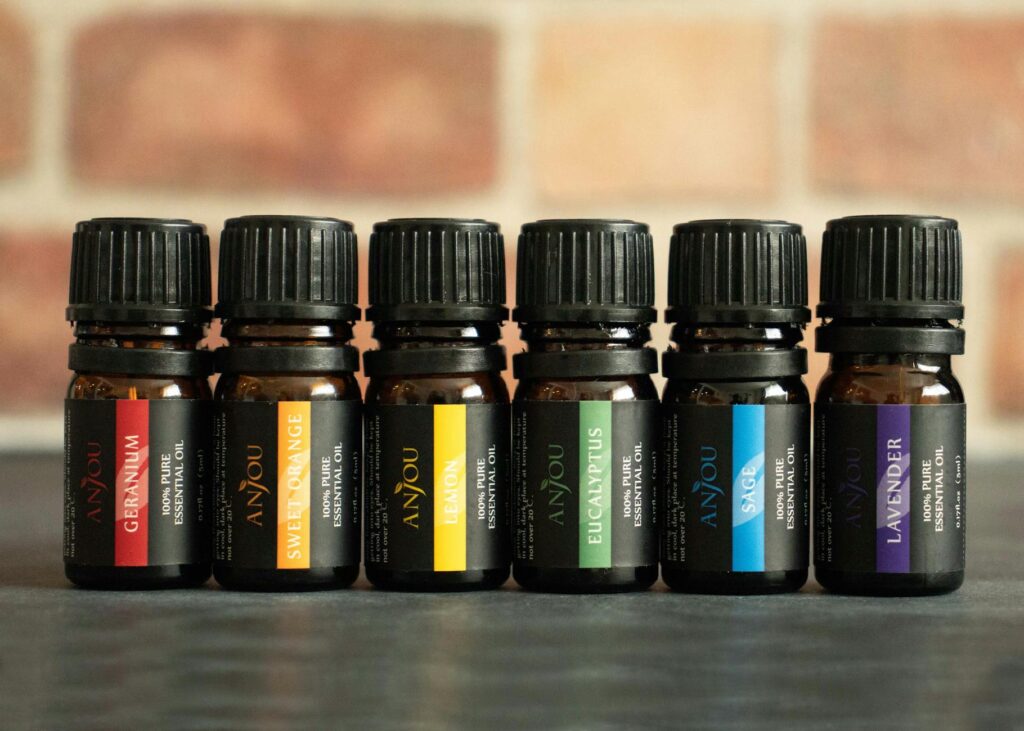
Complete Guide to Geranium Oil Part 3
Introduction
Geranium oil, derived from the leaves and flowers of the Pelargonium graveolens plant, has gained immense popularity in the realm of aromatherapy and holistic wellness. Known for its captivating floral and herbaceous aroma, this essential oil has a rich history in traditional medicine and continues to be embraced for its diverse applications today. In this comprehensive guide, we will delve into the characteristics, benefits, common uses, and safety considerations associated with geranium oil.
What Is Geranium Oil?
Geranium oil is extracted through steam distillation from the leaves and stems of the Pelargonium graveolens plant, a member of the Geraniaceae family. Native to South Africa, this perennial plant has become widely cultivated in various regions, including Europe and the Middle East. The oil is characterized by its fresh, rosy scent with a hint of mint and is often used in perfumes, cosmetics, and aromatherapy products.
Beyond its aromatic appeal, geranium oil is valued for its chemical composition. It contains several key constituents, including geraniol, citronellol, and linalool, which contribute to its therapeutic properties. These compounds not only enhance the oil’s fragrance but also impart various benefits that have made geranium oil a staple in holistic practices.
Key Benefits and Properties
Geranium oil is recognized for its numerous benefits and properties, making it a versatile addition to any essential oil collection. Some of the key benefits include:
1. Mood Enhancer
Geranium oil is often used in aromatherapy to uplift mood and promote emotional balance. Its sweet, floral scent can help alleviate feelings of stress, anxiety, and depression, creating a calming atmosphere.
2. Skin Care
This essential oil is widely celebrated for its skin-friendly properties. It is believed to help balance oil production, making it suitable for both dry and oily skin types. Additionally, geranium oil is known for its potential to reduce the appearance of scars, blemishes, and fine lines.
3. Anti-Inflammatory and Antimicrobial Properties
Geranium oil is thought to possess anti-inflammatory and antimicrobial properties, making it a popular choice for addressing minor skin irritations and infections. It may also help to soothe inflammation and redness associated with conditions like eczema and psoriasis.
4. Hormonal Balance
Some proponents of aromatherapy suggest that geranium oil may assist in balancing hormones, particularly in women. It is often used in blends aimed at alleviating menstrual discomfort and promoting reproductive health.
5. Insect Repellent
The natural compounds present in geranium oil have been found to deter certain insects, making it a useful addition to natural insect repellent formulations.
Common Uses
Geranium oil is incredibly versatile and can be incorporated into various aspects of daily life. Here are some common uses:
1. Skin Care Products
Due to its skin-balancing properties, geranium oil is frequently added to lotions, creams, and serums. It can help enhance skin radiance and improve overall texture.
2. Aromatherapy Diffusers
Inhaling the uplifting aroma of geranium oil through a diffuser can create a peaceful ambiance in homes or therapy spaces.
3. Baths and Body Treatments
Adding a few drops of geranium oil to a warm bath can enhance relaxation and provide a soothing experience for both body and mind.
4. Massage Blends
Geranium oil is often included in massage oil formulations for its calming effects and skin benefits. It can be diluted with a carrier oil for safe application.
5. Household Cleaners
The antimicrobial properties of geranium oil make it a valuable ingredient in natural cleaning products, helping to keep homes fresh and clean.
Aromatherapy Applications
In the context of aromatherapy, geranium oil can be used in various ways to harness its potential benefits:
1. Direct Inhalation
A few drops of geranium oil can be placed on a tissue or cotton ball and inhaled directly to experience its mood-enhancing effects.
2. Diffusion
Using an essential oil diffuser, geranium oil can be blended with other complementary oils like lavender or bergamot to create a harmonious aroma that promotes relaxation and emotional well-being.
3. Topical Application
For topical use, geranium oil should always be diluted with a suitable carrier oil, such as jojoba or sweet almond oil. This helps to ensure safe application on the skin while enhancing absorption.
4. Blending with Other Oils
Geranium oil blends well with various essential oils, including citrus oils like lemon and orange, as well as woodsy oils like cedarwood. These combinations can enhance the overall therapeutic effects and create custom aromatic experiences.
Safety Considerations
While geranium oil is generally considered safe for use, it is important to follow certain precautions to minimize the risk of adverse reactions:
1. Patch Test
Before applying geranium oil topically, it is advisable to conduct a patch test. Apply a diluted drop of the oil to a small area of skin and observe for any signs of irritation or allergic reaction.
2. Dilution
Geranium oil should always be diluted with a carrier oil before topical application to prevent skin irritation. A common dilution ratio is 2-3 drops of essential oil per tablespoon of carrier oil.
3. Pregnancy and Nursing
Pregnant or nursing individuals should consult with a qualified healthcare professional before using geranium oil, as some essential oils may not be recommended during these stages.
4. Children
Geranium oil should be used with caution around children. Always consult with a healthcare provider for appropriate usage and dilution guidelines.
5. Avoiding Sun Exposure
As with many essential oils, it is advisable to avoid sun exposure after applying geranium oil to the skin, as it may increase photosensitivity.
Storage and Shelf Life
Proper storage is crucial for maintaining the quality and efficacy of geranium oil:
1. Storage Conditions
Geranium oil should be stored in a cool, dark place, away from direct sunlight and heat sources. This will help preserve its aromatic and therapeutic properties.
2. Container Type
The oil should be kept in a dark glass container, such as amber or cobalt blue, to protect it from light degradation.
3. Shelf Life
When stored correctly, geranium oil typically has a shelf life of 2 to 3 years. However, it is essential to check for any changes in aroma or consistency, as these may indicate that the oil has gone rancid.
Frequently Asked Questions
1. Can geranium oil be ingested?
Geranium oil is primarily intended for topical and aromatic use. Ingesting essential oils should only be done under the guidance of a qualified healthcare professional.
2. Is geranium oil safe for sensitive skin?
While some individuals with sensitive skin may tolerate geranium oil well, it is essential to conduct a patch test and dilute the oil before topical application.
3. What other oils blend well with geranium oil?
Geranium oil blends beautifully with various essential oils, including lavender, bergamot, lemon, and cedarwood.
4. Can geranium oil help with anxiety?
Geranium oil is often used in aromatherapy to promote emotional balance. While many individuals report positive effects, it is not a substitute for professional treatment for anxiety.
5. How can I use geranium oil for skincare?
To use geranium oil for skincare, dilute it with a carrier oil and apply it to the skin. It is beneficial for balancing oil production and promoting overall skin health.
Conclusion
Geranium oil is a remarkable essential oil that offers a wide range of benefits and applications. Its captivating aroma and therapeutic properties make it a valuable addition to aromatherapy, skincare, and holistic wellness practices. By understanding its characteristics, uses, and safety considerations, individuals can effectively incorporate geranium oil into their daily routines, enhancing both physical and emotional well-being.