
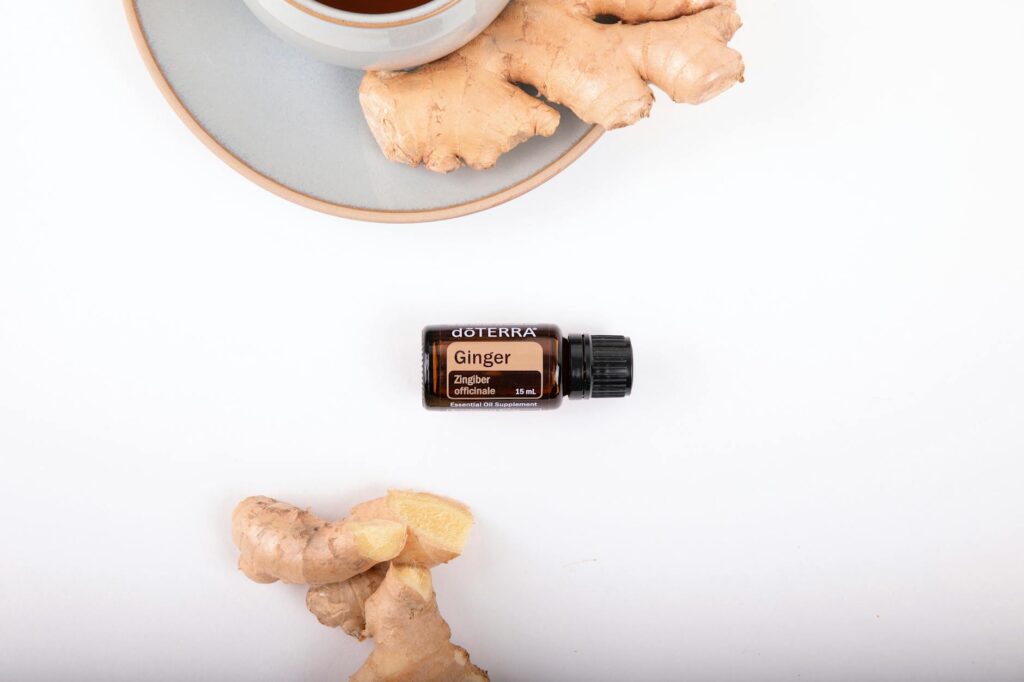
Complete Guide to Ginger Oil Extract
Introduction
Ginger oil extract, derived from the rhizome of the Zingiber officinale plant, has gained popularity in various fields, including aromatherapy, culinary arts, and natural wellness. Renowned for its warm, spicy scent and numerous potential benefits, ginger oil is a versatile essential oil used globally. This guide provides a comprehensive overview of ginger oil extract, encompassing its properties, applications, and safety considerations.
What Is Ginger Oil Extract?
Ginger oil extract is obtained through the process of steam distillation or cold pressing of the ginger root. The oil contains various chemical constituents, including gingerol, zingiberene, and beta-sesquiphellandrene, which contribute to its unique aroma and therapeutic properties. The oil can be clear to pale yellow in color and has a characteristic warm, spicy, and slightly sweet fragrance.
Ginger has been used for thousands of years in traditional medicine and culinary practices, particularly in Asian cultures. Its rich history and extensive applications have made ginger oil a staple in the world of essential oils.
Key Benefits and Properties
Ginger oil extract is celebrated for its numerous properties, which include:
1. Anti-inflammatory Properties: Ginger oil is known for its potential to reduce inflammation, making it a popular choice for people seeking natural ways to alleviate discomfort.
2. Antioxidant Effects: The presence of gingerol and other antioxidants in ginger oil helps combat oxidative stress, supporting overall well-being.
3. Digestive Support: Often associated with aiding digestion, ginger oil may help reduce feelings of nausea and promote healthy digestion.
4. Antimicrobial Activity: Some studies suggest that ginger oil has antimicrobial properties, which may help in protecting against certain pathogens.
5. Mood Enhancer: The warm and uplifting scent of ginger oil is believed to have mood-enhancing properties, making it a valuable addition to aromatherapy practices.
Common Uses
Ginger oil extract is widely used in various applications, including:
1. Aromatherapy: Used in diffusers, ginger oil can create a warm and inviting atmosphere, promoting relaxation and comfort.
2. Massage Therapy: When diluted with a carrier oil, ginger oil is often used in massage to help relieve muscle tension and soreness.
3. Culinary Uses: While not as common as fresh or ground ginger, ginger oil can be used sparingly in cooking to impart a warm, spicy flavor to dishes.
4. Skin Care: Due to its potential anti-inflammatory and antimicrobial properties, ginger oil is sometimes included in skin care formulations.
5. Household Products: The pleasant scent of ginger oil makes it a popular choice for natural cleaning products and air fresheners.
Aromatherapy Applications
In aromatherapy, ginger oil is valued for its ability to stimulate the senses and enhance emotional well-being. It is often blended with other essential oils to create synergistic effects. Here are some common applications:
1. Diffusion: Adding a few drops of ginger oil to a diffuser can help create a warm and energizing environment. It pairs well with citrus oils like lemon and orange, as well as grounding oils like sandalwood.
2. Inhalation: Ginger oil can be inhaled directly from the bottle or through steam inhalation to help promote feelings of calm and clarity.
3. Topical Application: When diluted in a carrier oil, ginger oil can be massaged onto the skin to relieve muscle soreness or tension.
4. Blending: Ginger oil can be blended with other essential oils to create personalized blends tailored to individual preferences and needs. It complements oils such as lavender, peppermint, and eucalyptus.
Safety Considerations
While ginger oil extract is generally considered safe for use, there are several important safety considerations to keep in mind:
1. Dilution: Always dilute ginger oil with a carrier oil before applying it to the skin to prevent irritation. A common dilution ratio is 2-3 drops of essential oil per teaspoon of carrier oil.
2. Patch Test: Before using ginger oil topically, conduct a patch test on a small area of skin to check for any allergic reactions or sensitivities.
3. Pregnancy and Breastfeeding: Pregnant or breastfeeding individuals should consult a healthcare professional before using ginger oil.
4. Allergies: Individuals with allergies to ginger or related plants should avoid using ginger oil.
5. Interactions: Ginger oil may interact with certain medications. It is advisable to consult a healthcare professional if you are taking any medications or have underlying health conditions.
Storage and Shelf Life
To ensure the longevity and effectiveness of ginger oil extract, proper storage is essential. Here are some tips for storage:
1. Cool, Dark Place: Store ginger oil in a cool, dark place, away from direct sunlight and heat sources.
2. Airtight Containers: Use dark glass bottles with airtight lids to protect the oil from light and air exposure.
3. Shelf Life: When stored properly, ginger oil can last up to 2-3 years. However, it is advisable to check for any changes in aroma or consistency before use, as these may indicate degradation.
Frequently Asked Questions
1. Can ginger oil be ingested?
While some essential oils are safe for ingestion, ginger oil is typically used for topical or aromatic purposes. If considering ingestion, consult with a qualified healthcare professional.
2. Is ginger oil safe for children?
Ginger oil may not be suitable for young children. Always consult with a healthcare professional before using essential oils on children or infants.
3. How can I incorporate ginger oil into my daily routine?
Ginger oil can be added to diffusers, used in massage blends, or included in DIY skincare recipes. Always remember to dilute it properly before applying it to the skin.
4. What are the best carrier oils for blending with ginger oil?
Common carrier oils include coconut oil, jojoba oil, and sweet almond oil. Choose a carrier oil based on your skin type and preferences.
5. Can ginger oil help with nausea?
Ginger oil is often associated with digestive support and may help alleviate feelings of nausea. However, individual responses may vary, and it is essential to consult a healthcare professional for persistent issues.
Conclusion
Ginger oil extract is a multifaceted essential oil with a rich history and a wide range of applications. From its potential therapeutic benefits to its aromatic properties, ginger oil has established itself as a valuable addition to both aromatherapy and natural wellness practices. By understanding its uses, benefits, and safety considerations, individuals can integrate ginger oil effectively into their lives, enhancing both physical and emotional well-being. Always prioritize safety and seek advice where necessary to ensure a rewarding experience with this remarkable oil.