
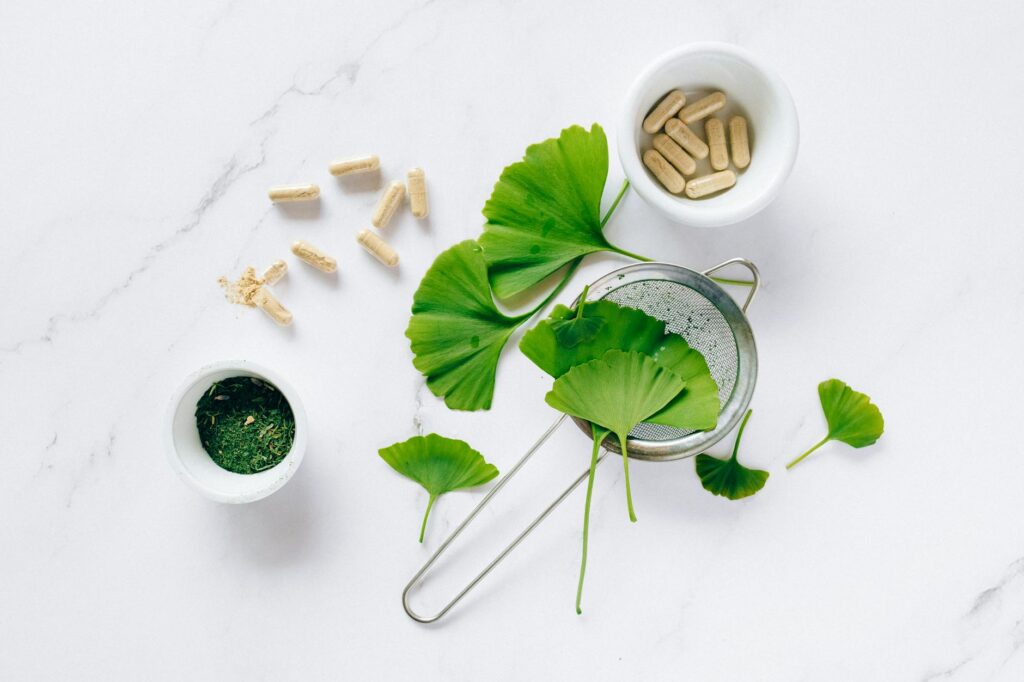
Complete Guide to Ginkgo Biloba Extract
Introduction
Ginkgo biloba, often referred to simply as ginkgo, is one of the oldest living tree species, dating back over 200 million years. Known for its distinct fan-shaped leaves and unique reproductive structures, Ginkgo biloba has garnered attention for its potential health benefits and applications in traditional medicine. Extracts derived from the leaves of the ginkgo tree are widely utilized in dietary supplements and herbal remedies. This guide explores the characteristics, benefits, uses, and safety considerations of Ginkgo biloba extract, providing a comprehensive understanding of this fascinating botanical.
What Is Ginkgo Biloba Extract?
Ginkgo biloba extract is derived from the leaves of the Ginkgo biloba tree. It is obtained through a process that typically involves drying the leaves and then extracting their active compounds, primarily flavonoids and terpenoids. These compounds are believed to contribute to the extract’s various health-promoting properties. Ginkgo biloba extract is available in various forms, including capsules, tablets, tinctures, and liquid extracts, making it accessible for diverse applications.
The primary active constituents of Ginkgo biloba extract include:
- Flavonoids: Antioxidant compounds that help neutralize free radicals in the body.
- Terpenoids: Compounds that may enhance blood flow and circulation.
- Dietary Supplements: Often marketed for cognitive enhancement and memory support, Ginkgo biloba supplements can be found in health food stores and pharmacies.
- Herbal Teas: Ginkgo leaves can be brewed into a tea, providing a natural way to incorporate its properties into daily routines.
- Aromatherapy Blends: Ginkgo biloba extract can be combined with other essential oils in aromatherapy practices to create a calming and stimulating environment.
- Topical Applications: Some formulations incorporate Ginkgo biloba extract for its antioxidant properties, potentially benefiting skin health when used in creams or serums.
- Allergic Reactions: Some individuals may experience allergic reactions. It is advisable to perform a patch test when using topical formulations.
- Blood Thinning Effects: Ginkgo biloba may have blood-thinning properties, which could pose risks for individuals taking anticoagulant medications or those with bleeding disorders.
- Pregnancy and Nursing: Pregnant or nursing individuals should consult a healthcare provider before using Ginkgo biloba extract, as safety during these periods is not well-established.
- Drug Interactions: Ginkgo biloba may interact with certain medications, including antidepressants, anticoagulants, and anticonvulsants. It is crucial to consult a healthcare professional if you are taking other medications.
- Side Effects: Potential side effects may include gastrointestinal upset, headache, dizziness, or allergic skin reactions. Discontinue use if any adverse reactions occur.
- Cool, Dark Place: Store the extract in a cool, dark environment, away from direct sunlight and heat.
- Sealed Containers: Keeping the extract in a tightly sealed container can help prevent oxidation and degradation.
- Check Expiration Dates: Always check the expiration date on the packaging and avoid using expired products.
These constituents are thought to work synergistically, contributing to the overall efficacy of the extract.
Key Benefits and Properties
Ginkgo biloba extract has been the subject of numerous studies. While research is ongoing, several benefits and properties have been commonly associated with this extract:
1. Cognitive Function: Ginkgo biloba is often linked to improved cognitive function and memory enhancement. Some studies suggest it may support mental clarity and attention.
2. Antioxidant Activity: The flavonoids and terpenoids in ginkgo are known for their antioxidant properties, helping to protect cells from oxidative stress.
3. Circulatory Support: Ginkgo biloba is believed to promote healthy blood circulation, which may contribute to improved oxygen supply to the brain and extremities.
4. Mood and Well-being: Some users report that Ginkgo biloba may have a positive effect on mood and emotional well-being, although more research is needed to establish these claims firmly.
5. Eye Health: Preliminary studies suggest that Ginkgo biloba extract may support eye health by improving blood flow to the retina.
6. Tinnitus Relief: Ginkgo biloba is sometimes used for tinnitus, a condition characterized by ringing in the ears, although results vary.
Common Uses
The versatility of Ginkgo biloba extract lends itself to a variety of applications. Common uses include:
Aromatherapy Applications
In the context of aromatherapy, Ginkgo biloba extract can be integrated into various essential oil blends to enhance emotional and mental well-being. While it is not an essential oil in itself, its extract can be used in oil-based formulations. Here are some potential applications:
1. Diffusion: When diffused, Ginkgo biloba extract may help create an atmosphere conducive to focus and clarity, making it suitable for study or work environments.
2. Massage Oils: Blending Ginkgo biloba extract with carrier oils can create a soothing massage oil that promotes relaxation and circulation.
3. Inhalation: Using Ginkgo biloba extract in steam inhalation may provide a refreshing experience, although caution should be taken regarding individual sensitivities.
4. Synergistic Blends: Ginkgo pairs well with essential oils like rosemary, peppermint, and lemon, which are also known for their uplifting and clarifying properties.
Safety Considerations
While Ginkgo biloba extract is generally considered safe for most people when used appropriately, there are some safety considerations to keep in mind:
Storage and Shelf Life
To maintain the potency and efficacy of Ginkgo biloba extract, proper storage is essential:
Typically, Ginkgo biloba extract can have a shelf life of 1 to 2 years, depending on the form and storage conditions.
Frequently Asked Questions
1. How long does it take to see results from Ginkgo biloba extract?
Results can vary widely among individuals. Some people may notice benefits within a few weeks, while others may require several months of consistent use.
2. Can Ginkgo biloba extract be taken with other supplements?
While Ginkgo biloba can be taken with some supplements, it is important to consult with a healthcare provider to avoid any potential interactions.
3. Is Ginkgo biloba extract safe for children?
The safety of Ginkgo biloba extract for children has not been extensively studied. It is advisable to consult a healthcare professional before giving it to children.
4. Can I use Ginkgo biloba extract if I am on medication?
Consulting with a healthcare provider is essential if you are on medication, particularly blood thinners or antidepressants, to ensure safe use.
5. What is the recommended dosage for Ginkgo biloba extract?
Dosage can vary based on the formulation and intended use. It is crucial to follow the manufacturer’s guidelines or consult a healthcare provider for personalized recommendations.
Conclusion
Ginkgo biloba extract is a remarkable natural remedy with a rich history and a wide range of applications. While its benefits are still being researched, its potential for supporting cognitive function, circulation, and overall well-being makes it a popular choice among herbal enthusiasts. As with any supplement, it is essential to approach Ginkgo biloba with an understanding of its properties, uses, and safety considerations. By doing so, individuals can make informed decisions about incorporating this ancient botanical into their wellness routines.