
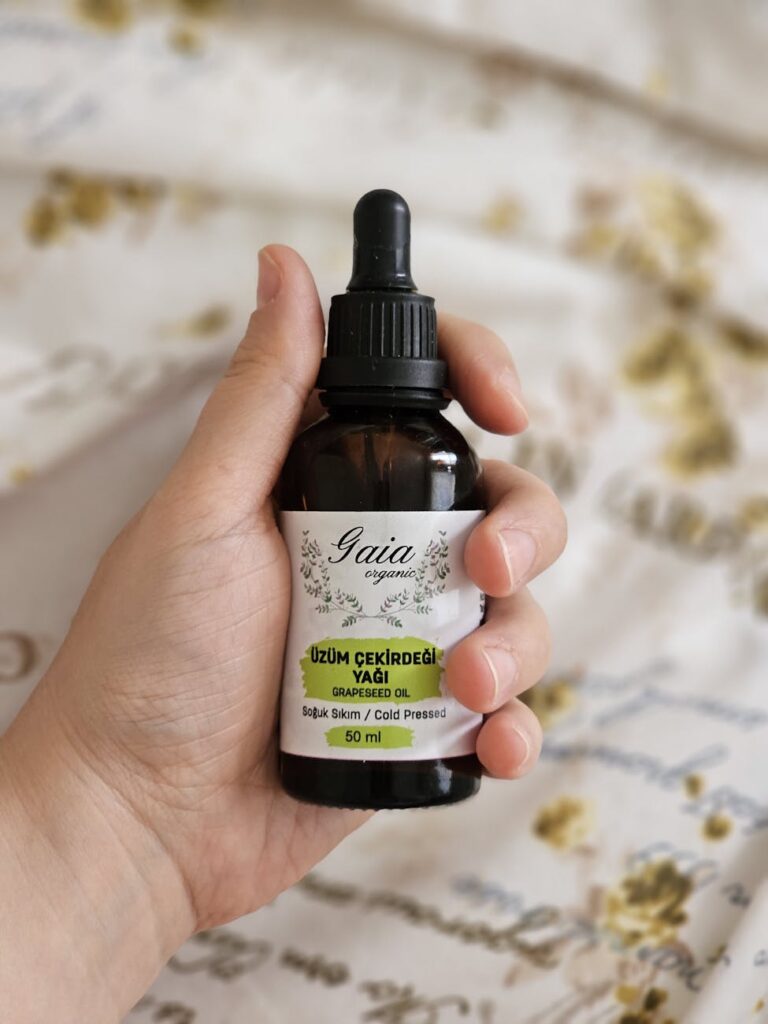
Complete Guide to Grapeseed Oil Part 1
Introduction
Grapeseed oil, derived from the seeds of grapes, has gained popularity in the realms of culinary arts, skincare, and aromatherapy. This versatile oil, often overshadowed by its more prominent counterparts like olive or coconut oil, offers a wealth of benefits and applications. This guide aims to provide a comprehensive overview of grapeseed oil, exploring its characteristics, benefits, common uses, and more.
What Is Grapeseed Oil?
Grapeseed oil is a refined oil extracted from the seeds of grapes, primarily those used in winemaking. The process involves cold-pressing the seeds to obtain a light, pale green to yellow oil, which is then usually refined to enhance its flavor and shelf life. The oil has a high smoke point, making it suitable for various cooking methods, including frying and sautéing.
The composition of grapeseed oil is notable for its high content of polyunsaturated fatty acids, particularly linoleic acid, along with vitamin E, flavonoids, and other antioxidants. These components contribute to its nutritional profile and health benefits.
Key Benefits and Properties
Nutritional Profile
Grapeseed oil is primarily composed of:
- Polyunsaturated Fatty Acids: Particularly omega-6 fatty acids, which play a role in cellular function.
- Vitamin E: An essential nutrient and antioxidant that helps protect cells from oxidative damage.
- Antioxidants: Including proanthocyanidins, which are known for their potential health benefits.
- Moisturizing: The oil penetrates the skin easily, providing hydration without a greasy residue.
- Anti-inflammatory: May help reduce skin irritation and redness, making it suitable for sensitive skin types.
- Non-comedogenic: Less likely to clog pores, which can be advantageous for acne-prone skin.
- Dressings and Marinades: Its neutral taste allows it to blend seamlessly with various flavors.
- Baking: Can be used as a substitute for butter or other oils in recipes.
- Sautéing and Frying: Ideal for high-heat cooking due to its stability.
- Lavender: Known for its calming properties.
- Peppermint: Often used for its invigorating scent.
- Tea Tree: Recognized for its antiseptic qualities.
- Cool, Dark Place: Keep grapeseed oil away from heat and light, which can cause it to go rancid more quickly.
- Seal Tightly: Always ensure that the bottle is tightly sealed after each use to minimize exposure to air.
Skin and Hair Care
Grapeseed oil is often lauded for its skin and hair benefits. Some of its properties include:
Culinary Uses
In culinary applications, grapeseed oil is prized for its mild flavor and high smoke point (around 420°F or 216°C). It can be used in:
Common Uses
Grapeseed oil is versatile and can be employed in various contexts, including:
Culinary Uses
Beyond its application as a cooking oil, grapeseed oil is frequently used in salad dressings, marinades, and sauces. Its light flavor allows it to complement other ingredients without overpowering them.
Skincare
In the realm of skincare, grapeseed oil is commonly found in lotions, creams, and serums. It is often included in formulations aimed at moisturizing, rejuvenating, and promoting a healthy complexion. Due to its lightweight nature, it is ideal for use as a carrier oil in essential oil blends.
Hair Care
Grapeseed oil can be used as a hair conditioner or treatment. Its ability to moisturize and strengthen hair without leaving an oily residue makes it a popular choice for both hair masks and leave-in conditioners.
Aromatherapy Applications
While grapeseed oil is not an essential oil, it serves as an excellent carrier oil in aromatherapy. Its neutral scent and skin-friendly properties make it suitable for diluting essential oils before topical application.
Aromatherapy Applications
In aromatherapy, grapeseed oil is primarily used as a carrier oil, which helps to dilute essential oils for safe topical use. Some common essential oils that can be blended with grapeseed oil include:
Crafting Blends
When creating an aromatherapy blend, it is important to consider the ratio of essential oils to carrier oils. A common guideline is to use 1–3 drops of essential oil per tablespoon of grapeseed oil. This dilution not only ensures safe application but also allows the beneficial properties of both the essential oil and the grapeseed oil to synergize effectively.
Safety Considerations
While grapeseed oil is generally considered safe for most individuals, there are a few considerations to keep in mind:
Allergic Reactions
As with any product, some individuals may experience allergic reactions. It is advisable to conduct a patch test before using grapeseed oil topically, especially for those with sensitive skin or known allergies to grapes.
Quality of Oil
The quality of grapeseed oil can vary significantly between brands. It’s essential to choose high-quality, preferably cold-pressed grapeseed oil to ensure that you are receiving the maximum benefits. Look for oils that are labeled as organic and free from additives or preservatives.
Not a Substitute for Medical Advice
While grapeseed oil offers numerous benefits, it should not be considered a substitute for professional medical advice or treatment. Individuals with specific health conditions or concerns should consult healthcare professionals before incorporating grapeseed oil into their routines.
Storage and Shelf Life
To maintain the quality and efficacy of grapeseed oil, proper storage is essential. Here are some guidelines:
Ideal Storage Conditions
Shelf Life
Unopened grapeseed oil can last up to 12 months, while opened bottles should ideally be used within 6 months to 1 year. Always check for any off smells or changes in appearance, as these can be indicators of spoilage.
Frequently Asked Questions
Can grapeseed oil be used for frying?
Yes, grapeseed oil has a high smoke point, making it suitable for frying and other high-heat cooking methods.
Is grapeseed oil suitable for all skin types?
Grapeseed oil is considered safe for most skin types, including oily and acne-prone skin, due to its non-comedogenic properties.
Can I ingest grapeseed oil?
Grapeseed oil is commonly used in cooking and can be ingested. However, it is essential to choose high-quality, food-grade oil for culinary purposes.
How do I choose a good quality grapeseed oil?
Look for cold-pressed, organic grapeseed oil without additives or preservatives. Check the packaging for information on sourcing and production methods.
Can grapeseed oil help with hair growth?
While grapeseed oil can help improve hair health by moisturizing and nourishing the scalp, it is not a guaranteed solution for hair growth.
Conclusion
Grapeseed oil is a multifaceted oil with a diverse range of applications, from cooking to skincare and aromatherapy. Its favorable properties, such as a high smoke point and skin-friendly composition, make it a valuable addition to both culinary and holistic practices. As we continue to explore the uses and benefits of grapeseed oil, understanding its characteristics and applications can empower individuals to incorporate it effectively into their routines. Stay tuned for Part 2 of this guide, where we will delve deeper into the scientific studies related to grapeseed oil and its potential benefits.