
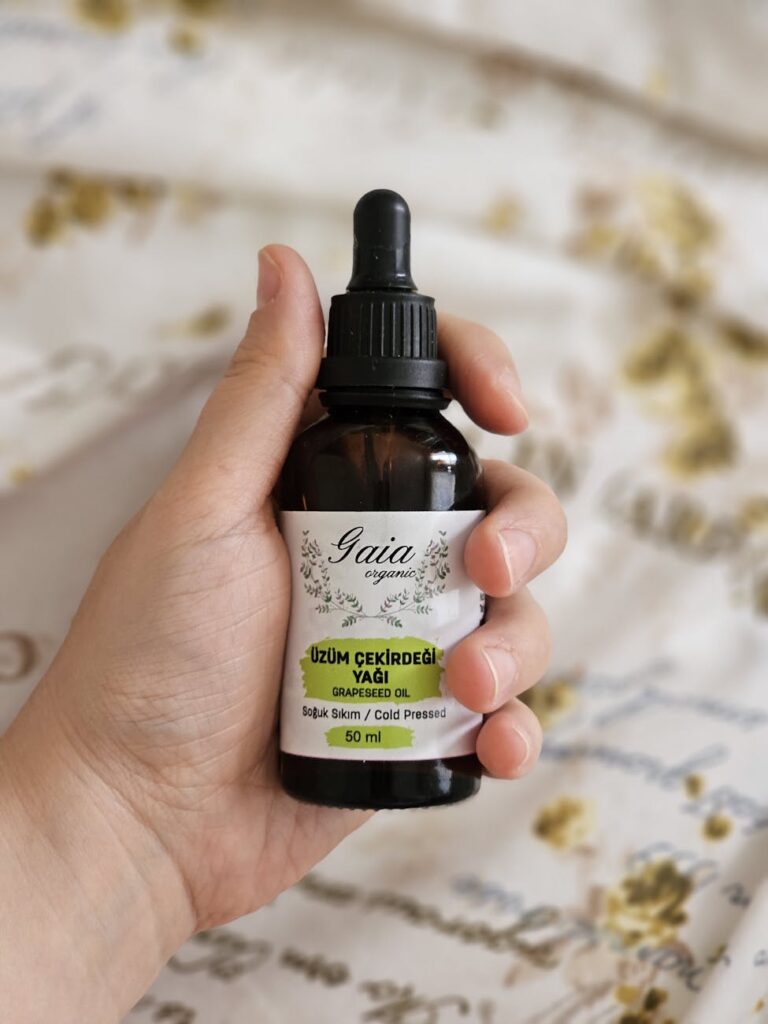
Complete Guide to Grapeseed Oil Part 11
Introduction
Grapeseed oil is increasingly recognized for its versatility in cooking, skincare, and aromatherapy. Derived from the seeds of grapes, particularly those used in winemaking, this oil is rich in polyunsaturated fatty acids and vitamin E, offering a range of benefits that make it appealing in various applications. This article serves as a comprehensive overview of grapeseed oil, exploring its properties, benefits, uses, and safety considerations.
What Is Grapeseed Oil?
Grapeseed oil is extracted from the seeds of grapes, specifically Vitis vinifera, which are often a byproduct of the winemaking process. The extraction typically involves mechanical pressing or solvent extraction methods, resulting in a pale green to light yellow oil with a mild, slightly nutty flavor. The oil is known for its high smoke point, making it suitable for high-temperature cooking methods.
Nutritional Composition
The composition of grapeseed oil is noteworthy:
- Fatty Acids: Grapeseed oil is predominantly composed of polyunsaturated fatty acids, particularly omega-6 fatty acids such as linoleic acid. It contains some monounsaturated fats and minimal saturated fats.
- Vitamins: It is rich in vitamin E, a potent antioxidant that helps protect cells from damage.
- Phytosterols: These compounds can contribute to heart health by aiding in cholesterol management.
- Lavender and Grapeseed: A calming blend for relaxation and stress relief.
- Tea Tree and Grapeseed: Often used for its potential skin-clearing properties.
- Citrus Oils and Grapeseed: Such as lemon or orange, for an uplifting and refreshing aroma.
- Dark Container: Store grapeseed oil in a dark glass bottle to protect it from light.
- Cool Environment: Keep it in a cool, dry place away from direct sunlight and heat sources.
- Seal Tightly: Ensure the bottle is tightly sealed to prevent oxidation.
Key Benefits and Properties
Grapeseed oil offers a variety of benefits that contribute to its popularity in culinary, cosmetic, and therapeutic applications.
Antioxidant Properties
The high levels of vitamin E and other antioxidants in grapeseed oil can help combat oxidative stress in the body. These compounds may assist in reducing inflammation and supporting overall health.
Skin Health
Grapeseed oil is often used in cosmetic formulations due to its lightweight texture and ability to moisturize without clogging pores. Its emollient properties make it suitable for various skin types, and it is frequently included in lotions, serums, and creams.
Heart Health
The presence of polyunsaturated fatty acids in grapeseed oil may support cardiovascular health by promoting healthy cholesterol levels. It is often recommended as a heart-healthy alternative to saturated fats found in animal products.
Culinary Uses
With its mild flavor and high smoke point, grapeseed oil is ideal for sautéing, frying, and baking. Its versatility also makes it an excellent choice for salad dressings and marinades.
Common Uses
Culinary Applications
1. Cooking: Grapeseed oil’s high smoke point (approximately 420°F or 216°C) makes it suitable for frying and roasting.
2. Salad Dressings: Its light flavor complements various dressings, providing a base for vinaigrettes and marinades.
3. Baking: The oil can be used in baked goods to enhance moisture and texture without overpowering other flavors.
Cosmetic Applications
1. Moisturizer: Grapeseed oil can be applied directly to the skin as a moisturizer or incorporated into creams and lotions.
2. Carrier Oil: It serves as an excellent carrier oil in aromatherapy, diluting essential oils for topical application.
3. Hair Care: Grapeseed oil can be used as a conditioning treatment for hair, promoting shine and reducing frizz.
Aromatherapy Applications
In aromatherapy, grapeseed oil is frequently used as a carrier oil due to its light texture and skin-friendly properties. It allows for the dilution of essential oils, making them safe for topical application.
Blending with Essential Oils
When blending grapeseed oil with essential oils, consider the following popular combinations:
Massage Therapy
Grapeseed oil is a popular choice for massage therapy due to its smooth application and skin absorption properties. It provides a good glide during massage, enhancing the overall experience.
Safety Considerations
While grapeseed oil is generally considered safe for most individuals, certain factors should be noted:
Allergies
Individuals with grape allergies should exercise caution when using grapeseed oil, as it may trigger allergic reactions.
Skin Sensitivity
Although grapeseed oil is often well-tolerated, a patch test is advisable for individuals with sensitive skin or those using it for the first time. Apply a small amount to a discreet area and observe for any adverse reactions over 24 hours.
Quality of Oil
The quality of grapeseed oil can vary significantly among brands. Look for cold-pressed, organic varieties to ensure minimal processing and the highest nutrient retention.
Storage and Shelf Life
To maximize the shelf life and quality of grapeseed oil, proper storage is essential:
Storage Conditions
Shelf Life
When stored correctly, grapeseed oil has a shelf life of approximately 6 to 12 months. However, always check for signs of rancidity, such as off odors or changes in color before use.
Frequently Asked Questions
1. Can grapeseed oil be used for frying?
Yes, grapeseed oil is suitable for frying due to its high smoke point. It is often used for sautéing and deep-frying.
2. Is grapeseed oil safe for all skin types?
Grapeseed oil is usually safe for most skin types, but individuals with grape allergies or sensitive skin should perform a patch test before widespread use.
3. How can grapeseed oil be incorporated into a skincare routine?
Grapeseed oil can be used as a moisturizer, added to creams, or mixed with essential oils for aromatherapy applications. It can also serve as a makeup remover.
4. Can grapeseed oil go rancid?
Yes, like all oils, grapeseed oil can go rancid if not stored properly. Look for signs of spoilage, such as off-odors or changes in color.
5. Are there any contraindications for using grapeseed oil?
While grapeseed oil is generally safe, individuals with grape allergies should avoid it. Always consult with a qualified professional for personalized advice.
Conclusion
Grapeseed oil is a versatile and beneficial oil with a range of applications in cooking, skincare, and aromatherapy. Its nutritional profile, coupled with its mild flavor and light texture, makes it an appealing choice for various uses. By understanding its properties, benefits, and safety considerations, individuals can make informed choices about incorporating grapeseed oil into their daily routines.