
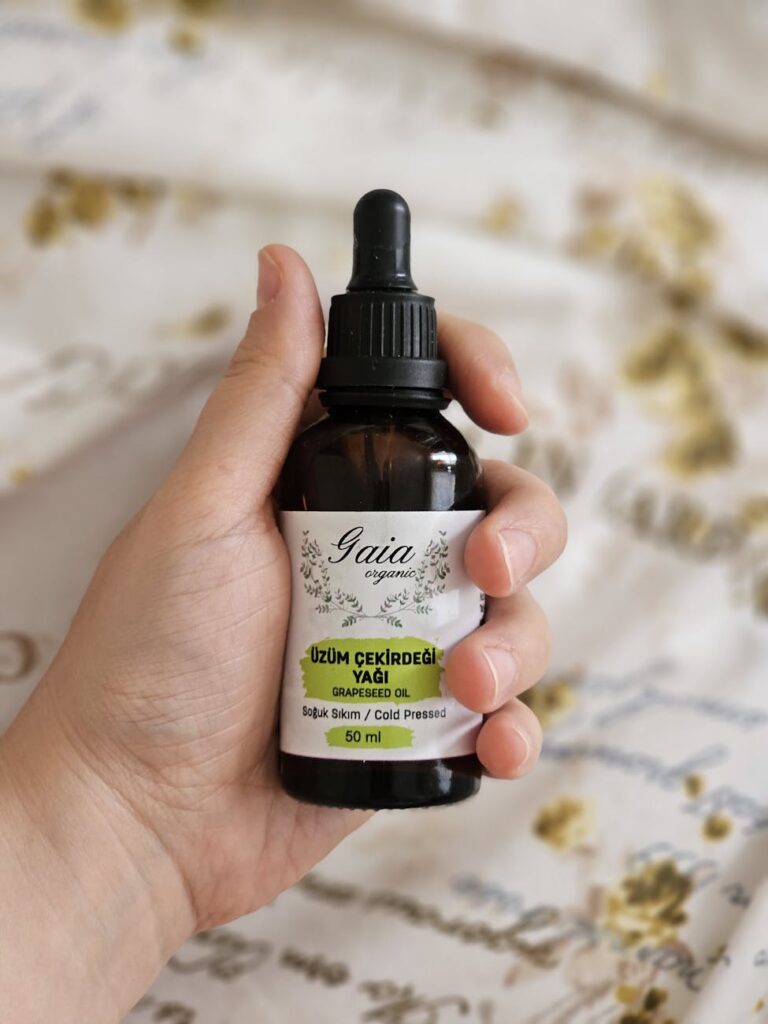
Complete Guide to Grapeseed Oil Part 12
Introduction
Grapeseed oil, derived from the seeds of grapes, is a popular carrier oil in the world of aromatherapy and holistic wellness. Known for its light texture and high smoke point, it serves a multitude of purposes ranging from culinary applications to skincare. This comprehensive guide explores the various aspects of grapeseed oil, highlighting its benefits, uses, and safety considerations.
What Is Grapeseed Oil?
Grapeseed oil is a refined oil extracted from the seeds of Vitis vinifera, commonly known as the grapevine. After grapes are harvested, the seeds are collected, cleaned, and then processed to extract the oil. The extraction process typically involves cold-pressing or solvent extraction, with cold-pressed oils being the most desirable for their purity and nutrient retention.
The oil is light in color and has a mild, slightly nutty flavor, making it versatile for various applications. Rich in polyunsaturated fatty acids, particularly linoleic acid, grapeseed oil is known for its ability to nourish and hydrate the skin.
Key Benefits and Properties
Grapeseed oil is celebrated for its numerous benefits, which include:
1. Rich in Nutrients: It contains high levels of vitamin E, an antioxidant that helps protect the skin and promote overall health. Additionally, grapeseed oil includes essential fatty acids, which are crucial for maintaining skin integrity.
2. Moisturizing Properties: Its lightweight texture makes it easily absorbed by the skin, providing deep hydration without leaving a greasy residue.
3. Anti-inflammatory Effects: Grapeseed oil has been noted for its potential anti-inflammatory properties, which can be beneficial for soothing irritated skin.
4. Antioxidant Capabilities: The oil contains oligomeric proanthocyanidins, powerful antioxidants that may help combat oxidative stress and free radical damage.
5. Non-comedogenic: Grapeseed oil is considered non-comedogenic, meaning it is unlikely to clog pores, making it suitable for all skin types, including oily and acne-prone skin.
Common Uses
Grapeseed oil’s versatility allows it to be used in various ways:
Culinary Uses
- Cooking and Baking: With a high smoke point of around 420°F (216°C), grapeseed oil is ideal for frying, sautéing, and baking. Its mild flavor complements a wide range of dishes without overpowering other ingredients.
- Salad Dressings: The oil can be used as a base for salad dressings, often blended with vinegar or citrus juices for a light and refreshing flavor.
- Moisturizer: Grapeseed oil is often used as a carrier oil in skincare formulations. It can be applied directly to the skin or mixed with essential oils for added benefits.
- Massage Oil: Its smooth texture makes it an excellent choice for massage oils, providing a gliding effect that enhances the massage experience.
- Conditioning Treatment: Grapeseed oil can be used as a hair conditioner to nourish and moisturize hair, enhancing shine and reducing frizz.
- Allergic Reactions: Although rare, some individuals may experience allergic reactions to grapeseed oil. A patch test is recommended before full application.
- Quality Matters: Always choose high-quality, cold-pressed grapeseed oil to ensure it retains its beneficial properties. Look for organic certifications when possible.
- Interaction with Essential Oils: When using grapeseed oil as a carrier oil, ensure that the essential oils added are safe for topical use. Some essential oils may cause skin irritation or sensitivity.
- Consultation: If you have specific skin conditions or are pregnant, consult a qualified professional before using grapeseed oil in skincare or aromatherapy.
- Storage Conditions: Keep grapeseed oil in a cool, dark place, away from direct sunlight and heat sources. A dark glass bottle is ideal for protecting the oil from light exposure.
- Shelf Life: When stored correctly, grapeseed oil can last for approximately six months to a year. Check for any off-smells or changes in color, which may indicate rancidity.
- Refrigeration: For extended freshness, consider refrigerating grapeseed oil, although this may cause it to solidify. Allow it to return to room temperature before use.
Skincare
Haircare
Aromatherapy Applications
In aromatherapy, grapeseed oil is primarily used as a carrier oil. It dilutes essential oils, making them safe for topical application while also enhancing their absorption into the skin. Some common aromatherapy applications include:
1. Blending with Essential Oils: Grapeseed oil pairs well with a variety of essential oils, such as lavender, eucalyptus, and tea tree. It helps to dilute the potency of essential oils, making them safe for skin application.
2. Aromatherapy Massage: When used in conjunction with essential oils, grapeseed oil provides a soothing experience during aromatherapy massages. The oil absorbs quickly, allowing for a smooth application.
3. DIY Skincare Products: Grapeseed oil can be used as a base in homemade lotions, creams, and scrubs, combining its moisturizing properties with the therapeutic benefits of essential oils.
Safety Considerations
While grapeseed oil is generally safe for most individuals, there are some safety considerations to keep in mind:
Storage and Shelf Life
Proper storage of grapeseed oil is essential for maintaining its quality and extending its shelf life:
Frequently Asked Questions
1. Can grapeseed oil be used on all skin types?
Yes, grapeseed oil is considered non-comedogenic and is suitable for all skin types, including oily and acne-prone skin.
2. Is grapeseed oil safe for cooking?
Yes, grapeseed oil has a high smoke point, making it suitable for cooking methods such as frying and sautéing.
3. How can I use grapeseed oil in aromatherapy?
Grapeseed oil serves as an excellent carrier oil for diluting essential oils before topical application. It can also be used in massage oils or homemade skincare products.
4. What are some good essential oil combinations with grapeseed oil?
Grapeseed oil pairs well with essential oils such as lavender, chamomile, lemon, and rosemary, providing a pleasant and therapeutic aroma.
5. How should I store grapeseed oil?
Store grapeseed oil in a cool, dark place, preferably in a dark glass bottle, to protect it from light and heat.
Conclusion
Grapeseed oil is a versatile and beneficial oil that serves a multitude of purposes in cooking, skincare, and aromatherapy. With its rich nutrient profile, light texture, and various applications, it has become a staple in many households. Whether you’re looking to enhance your culinary creations, nourish your skin, or explore the world of aromatherapy, grapeseed oil is an excellent addition to your wellness toolkit. Always prioritize quality and safety to ensure you reap the maximum benefits from this remarkable oil.