
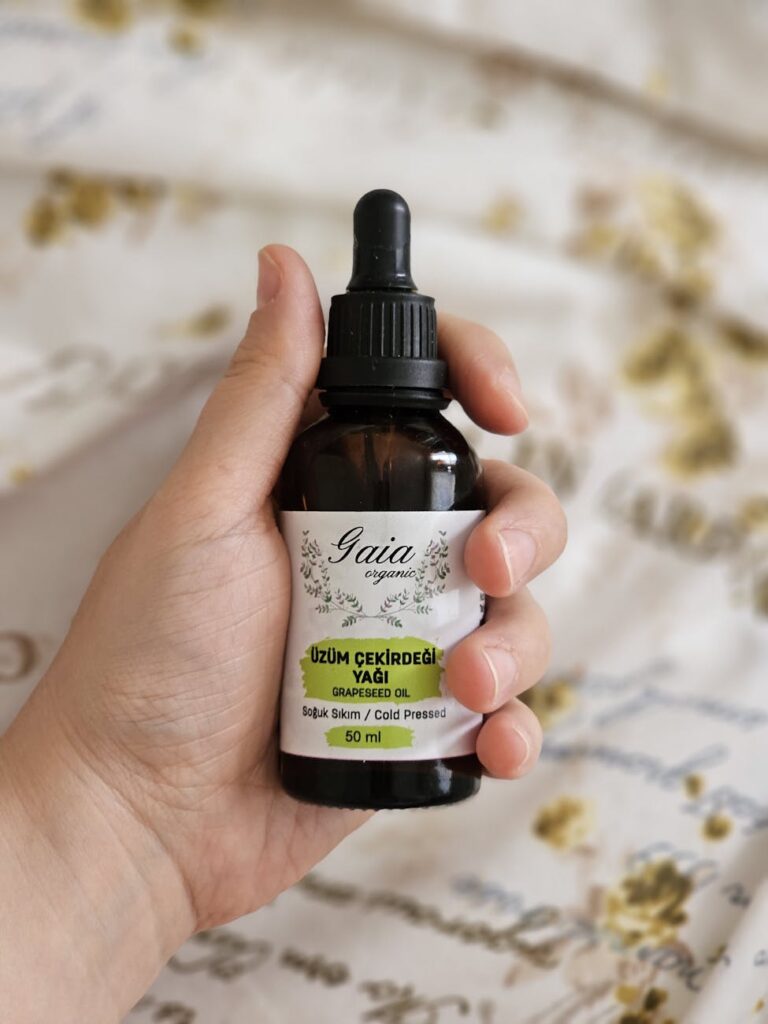
Complete Guide to Grapeseed Oil Part 2
Introduction
Grapeseed oil has gained popularity in recent years as a versatile oil with numerous applications in cooking, skincare, and aromatherapy. Derived from the seeds of grapes, particularly those used in winemaking, this oil is often lauded for its light texture and neutral flavor. In this second part of our comprehensive guide, we will delve deeper into the benefits, uses, and safety considerations associated with grapeseed oil, as well as its applications in aromatherapy.
What Is Grapeseed Oil?
Grapeseed oil is a pale green oil extracted from the seeds of grapes, specifically Vitis vinifera. The extraction process typically involves cold-pressing the seeds, although solvent extraction methods are also used in commercial production. This oil is rich in polyunsaturated fats and contains omega-6 fatty acids, making it a popular choice for culinary applications. With a high smoke point of approximately 420°F (216°C), grapeseed oil is suitable for frying and sautéing, as well as for use in salad dressings and marinades.
In addition to its culinary uses, grapeseed oil is also prized in the realm of skincare and aromatherapy. Its light texture allows for easy absorption into the skin, making it an excellent carrier oil for essential oils.
Key Benefits and Properties
Grapeseed oil is valued for its unique composition, which includes:
- Rich Source of Antioxidants: Grapeseed oil contains vitamin E and phenolic compounds, which help protect the body from oxidative stress. These antioxidants can help neutralize free radicals, contributing to overall skin health.
- High in Linoleic Acid: This polyunsaturated fatty acid is known for its moisturizing properties. It can help maintain the skin’s barrier function, preventing moisture loss.
- Non-comedogenic: Grapeseed oil is considered non-comedogenic, meaning it is unlikely to clog pores. This property makes it suitable for all skin types, including oily and acne-prone skin.
- Anti-inflammatory Properties: The oil may exhibit anti-inflammatory effects, which can be beneficial for soothing irritated skin.
- Light Texture: Grapeseed oil has a lightweight consistency that allows for easy application and absorption, making it a preferred choice in many skincare formulations.
- Cooking Oil: Its high smoke point makes it ideal for frying and sautéing. The neutral flavor profile allows it to be used in a variety of dishes without altering the taste.
- Salad Dressings: Grapeseed oil can be blended with vinegar and other ingredients to create light and flavorful salad dressings.
- Marinades: Its ability to absorb flavors makes it a fantastic base for marinades, enhancing the taste of meats and vegetables.
- Moisturizer: Grapeseed oil can be used as a standalone moisturizer or as a base for other skincare products. Its lightweight texture allows it to hydrate without leaving a greasy residue.
- Makeup Remover: Due to its emollient properties, grapeseed oil can effectively dissolve makeup, making it an excellent natural option for makeup removal.
- Massage Oil: Its smooth texture makes it a popular choice for massage oils, often blended with essential oils for added benefits.
- Conditioner: Grapeseed oil can be used as a natural conditioner, helping to nourish and hydrate hair while improving shine.
- Scalp Treatment: It can also be applied to the scalp to alleviate dryness and promote healthy hair growth.
- Dilution of Essential Oils: Grapeseed oil can be blended with essential oils such as lavender, tea tree, or eucalyptus for various therapeutic benefits. The typical dilution ratio is 2-3 drops of essential oil per teaspoon of grapeseed oil.
- Massage Blends: When used as a base for massage oils, grapeseed oil can enhance the therapeutic effects of essential oils while providing a smooth glide for the massage.
- Skin Treatments: Grapeseed oil can be combined with essential oils known for their skin benefits, such as rose or frankincense, to create soothing blends for irritated or aging skin.
- Aromatherapy Roll-Ons: Grapeseed oil can be used in DIY roll-on blends to create portable and convenient aromatherapy applications.
- Allergies: Individuals with a known allergy to grapes or grape products should exercise caution when using grapeseed oil, as allergic reactions may occur.
- Patch Test: Before using grapeseed oil topically, it is advisable to perform a patch test on a small area of skin to check for any adverse reactions.
- Essential Oil Dilution: When using grapeseed oil as a carrier oil for essential oils, adhere to recommended dilution ratios to avoid skin irritation.
- Pregnancy and Nursing: While grapeseed oil is generally regarded as safe, pregnant and nursing individuals should consult with a healthcare provider before using any new oils or products.
- Cool, Dark Place: Store grapeseed oil in a cool, dark place, away from direct sunlight and heat sources. Exposure to light and heat can degrade the oil and reduce its shelf life.
- Tightly Sealed Container: Ensure that the bottle is tightly sealed to prevent oxidation. Grapeseed oil is sensitive to air, and exposure can lead to rancidity.
- Shelf Life: When stored correctly, grapeseed oil typically has a shelf life of 6 to 12 months. However, it is always advisable to check for signs of rancidity, such as an off smell or unusual color, before use.
Common Uses
Grapeseed oil is remarkably versatile and can be used in various ways, including:
Culinary Uses
Skincare Applications
Hair Care
Aromatherapy Applications
In the realm of aromatherapy, grapeseed oil serves primarily as a carrier oil due to its light texture and neutral scent. Carrier oils are used to dilute essential oils before topical application, allowing for safe and effective use. Here are some common applications of grapeseed oil in aromatherapy:
Safety Considerations
While grapeseed oil is generally considered safe for use, there are a few safety considerations to keep in mind:
Storage and Shelf Life
Proper storage of grapeseed oil is essential to maintain its quality. Here are some guidelines:
Frequently Asked Questions
1. Can grapeseed oil be used for cooking?
Yes, grapeseed oil is commonly used for cooking due to its high smoke point and neutral flavor, making it suitable for frying, sautéing, and salad dressings.
2. Is grapeseed oil suitable for all skin types?
Grapeseed oil is generally considered safe for all skin types, including oily and acne-prone skin, due to its non-comedogenic properties.
3. How should grapeseed oil be used in aromatherapy?
Grapeseed oil can be used as a carrier oil to dilute essential oils before topical application. A common dilution ratio is 2-3 drops of essential oil per teaspoon of grapeseed oil.
4. What is the shelf life of grapeseed oil?
When stored properly in a cool, dark place, grapeseed oil typically lasts between 6 to 12 months. Always check for signs of rancidity before use.
5. Can grapeseed oil cause allergic reactions?
Individuals with allergies to grapes should exercise caution when using grapeseed oil, as allergic reactions may occur.
Conclusion
Grapeseed oil is a remarkably versatile oil that offers a range of benefits and applications, from culinary uses to skincare and aromatherapy. Its unique properties make it a valuable addition to any home, providing a natural option for cooking and personal care. By understanding its benefits, uses, and safety considerations, individuals can effectively incorporate grapeseed oil into their daily routines, enhancing both their culinary experiences and skincare regimens.