
Complete Guide to Grapeseed Oil Part 4
Introduction
Grapeseed oil has gained considerable popularity in recent years, particularly in the realms of cooking, skincare, and aromatherapy. This versatile oil is derived from the seeds of grapes, typically a byproduct of winemaking. With its light texture and rich nutrient profile, grapeseed oil has become a cherished ingredient across various industries. In this article, we will explore the characteristics, benefits, and applications of grapeseed oil, providing a comprehensive overview suitable for both enthusiasts and practitioners alike.
What Is Grapeseed Oil?
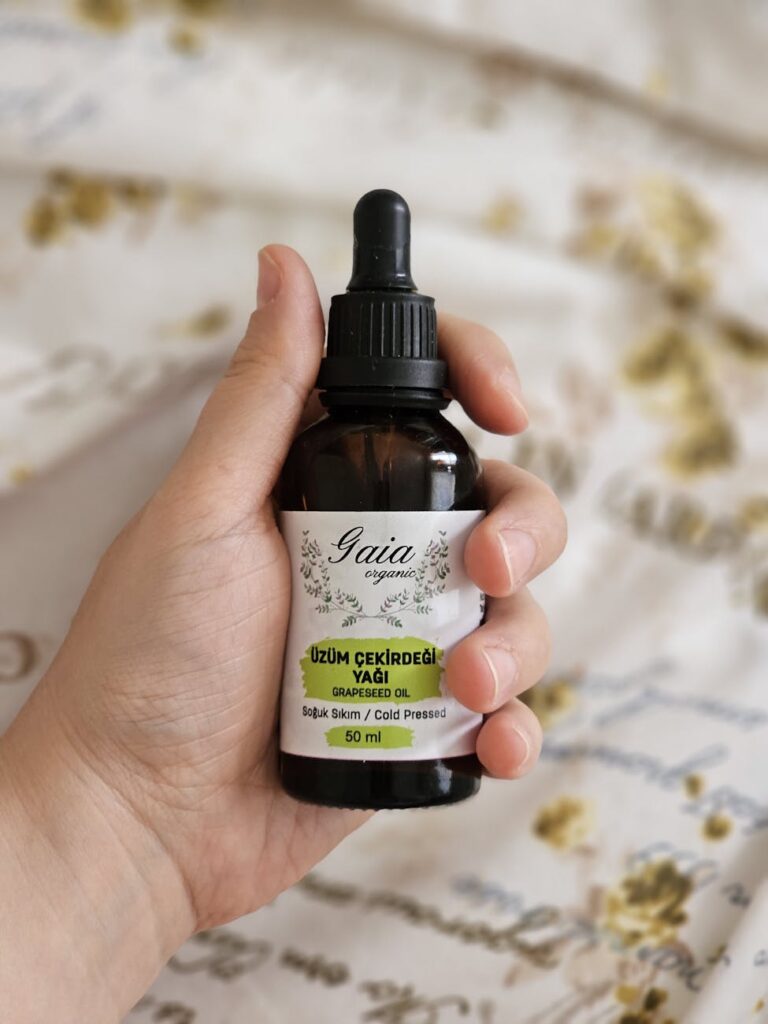
Grapeseed oil is extracted from the seeds of Vitis vinifera, commonly known as the grapevine. This oil is usually obtained through a cold-pressing method, which helps retain its beneficial properties. The oil is often light green or yellow in color, characterized by a mild, nutty flavor and aroma. Its high smoke point (approximately 420°F or 216°C) makes it suitable for various cooking applications, including frying and sautéing.
Grapeseed oil is often used in cosmetics and skincare formulations due to its emollient properties and ability to penetrate the skin easily. Additionally, it is often included in massage oils and aromatherapy blends, highlighting its versatility as a carrier oil.
Key Benefits and Properties
Grapeseed oil is celebrated for its array of beneficial properties that make it valuable in both culinary and holistic contexts:
1. Rich in Nutrients: Grapeseed oil is abundant in essential fatty acids, particularly linoleic acid, which is an omega-6 fatty acid. It also contains vitamin E, antioxidants, and polyphenols that contribute to its health-promoting qualities.
2. Moisturizing: Due to its ability to penetrate the skin without leaving a greasy residue, grapeseed oil acts as an effective moisturizer. It helps to maintain skin hydration, making it suitable for various skin types, including oily and acne-prone skin.
3. Anti-inflammatory: The presence of antioxidants in grapeseed oil can help reduce inflammation and combat oxidative stress. This property is beneficial for skin health and may aid in soothing conditions such as eczema and dermatitis.
4. Non-comedogenic: Grapeseed oil is classified as a non-comedogenic oil, meaning it does not clog pores. This makes it a favorable option for those with acne-prone skin.
5. Supports Hair Health: Grapeseed oil is also known for its ability to nourish and strengthen hair. Its lightweight nature makes it an excellent choice for hair treatments, as it can provide moisture without weighing the hair down.
Common Uses
Grapeseed oil’s versatility allows it to be employed in various ways across different domains:
Culinary Uses
- Cooking Oil: Due to its high smoke point, grapeseed oil is ideal for frying, sautéing, and roasting. Its mild flavor allows it to complement a wide range of dishes without overpowering other ingredients.
- Salad Dressings: Grapeseed oil can be used as a base for salad dressings, providing a light and refreshing taste. It can be mixed with vinegar, herbs, and spices to create flavorful vinaigrettes.
- Baking: Grapeseed oil can serve as a substitute for butter or other oils in baking recipes, contributing to moist and tender baked goods.
- Moisturizers: Grapeseed oil is often incorporated into lotions, creams, and serums for its hydrating properties. It can be applied directly to the skin or mixed with other oils for enhanced benefits.
- Massage Oil: Its lightweight nature makes grapeseed oil an excellent choice for massage therapists, as it glides smoothly over the skin and allows for easy absorption.
- Makeup Remover: The oil can effectively dissolve makeup and impurities, making it a gentle option for cleansing the skin.
- Hair Treatments: Grapeseed oil can be used as a pre-shampoo treatment or added to conditioners to help nourish and strengthen hair. It can also be applied to split ends for a smoother appearance.
- Dilution for Topical Use: Essential oils are highly concentrated and must be diluted before application. Grapeseed oil’s non-comedogenic properties make it suitable for blending with skin-safe essential oils for massages, skincare, or therapeutic applications.
- Diffusion: While grapeseed oil is not typically used in diffusers, it can be blended with essential oils for skin application after being diffused to enhance the aromatic experience.
- Personal Care Products: Grapeseed oil can be incorporated into homemade lotions, balms, and scrubs, allowing individuals to create customized aromatherapy experiences.
- Patch Test: Before applying grapeseed oil or blends containing it to the skin, it is advisable to perform a patch test to ensure there is no adverse reaction.
- Allergies: Individuals with allergies to grapes or related products should exercise caution when using grapeseed oil.
- Sensitivity: Some individuals may experience sensitivity to high concentrations of essential oils. Always dilute essential oils with grapeseed oil before topical application.
- Consultation: For those with specific health conditions or concerns, consulting with a qualified healthcare provider or aromatherapist is recommended before using grapeseed oil or any essential oils.
- Container: Store grapeseed oil in a dark glass or opaque plastic container to protect it from light, which can degrade its quality.
- Cool Environment: Keep the oil in a cool, dark place, such as a pantry or cupboard. Avoid exposure to heat sources, which can accelerate rancidity.
- Expiration: Grapeseed oil typically has a shelf life of about 6 to 12 months if stored properly. Always check for off-odors or changes in appearance before use.
Skincare Applications
Hair Care
Aromatherapy Applications
In aromatherapy, grapeseed oil serves primarily as a carrier oil, facilitating the dilution of essential oils for topical application. Its subtle aroma and light texture make it an excellent choice for blending with various essential oils. Here are some applications in aromatherapy:
Safety Considerations
While grapeseed oil is generally considered safe for most individuals, several precautions should be noted:
Storage and Shelf Life
Proper storage of grapeseed oil is crucial to maintaining its quality and extending its shelf life. Here are some guidelines:
Frequently Asked Questions
1. Can grapeseed oil be used for all skin types?
Yes, grapeseed oil is suitable for various skin types, including oily, dry, and combination skin. Its lightweight texture and non-comedogenic nature make it a popular choice for many individuals.
2. Is grapeseed oil safe for cooking?
Yes, grapeseed oil is safe for cooking due to its high smoke point and mild flavor. It can be used for frying, sautéing, and baking.
3. Can grapeseed oil help with acne?
Grapeseed oil is non-comedogenic, meaning it does not clog pores. Its moisturizing and anti-inflammatory properties may help improve the appearance of acne-prone skin.
4. How should I incorporate grapeseed oil into my skincare routine?
Grapeseed oil can be used alone as a moisturizer, added to creams and lotions, or blended with essential oils for targeted treatments. Always perform a patch test before regular use.
5. Can I use grapeseed oil as a carrier oil for essential oils?
Yes, grapeseed oil is an excellent carrier oil for essential oils. It helps dilute the concentrated oils for safe topical application.
Conclusion
Grapeseed oil is a multifaceted oil with a wide range of applications in culinary, skincare, and aromatherapy contexts. Its beneficial properties, including moisturizing effects, rich nutrient profile, and versatility, have made it a staple in many households and industries. Whether used in cooking, as a skincare ingredient, or in aromatherapy blends, grapeseed oil offers an array of benefits that contribute to overall well-being and vitality. With the proper knowledge and precautions, grapeseed oil can be an enriching addition to your daily routines.