
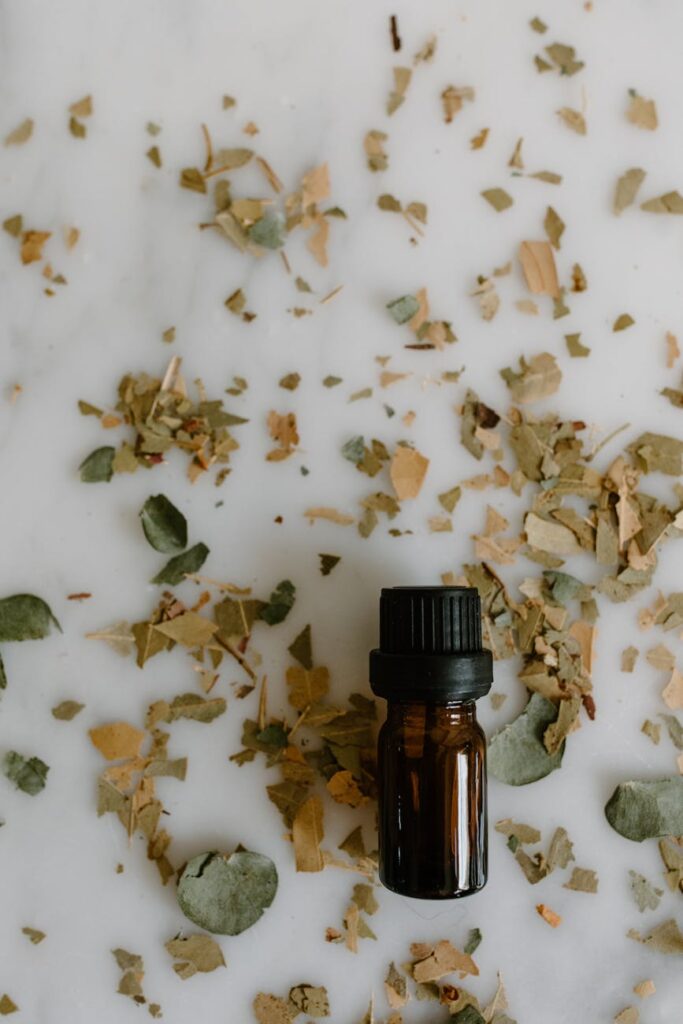
Complete Guide to Hazelnut Oil Part 1
Introduction
Hazelnut oil, derived from the seeds of the hazelnut tree (Corylus avellana), has garnered attention for its diverse range of applications in culinary arts, skincare, and aromatherapy. With its rich flavor profile and numerous health benefits, hazelnut oil has become a staple in both kitchens and beauty regimens around the world. This comprehensive guide will delve into the characteristics, benefits, uses, and safety considerations of hazelnut oil, providing readers with a thorough understanding of this versatile oil.
What Is Hazelnut Oil?
Hazelnut oil is a cold-pressed oil extracted from the nuts of the hazelnut tree. The process involves mechanically pressing the nuts without the use of heat, which helps to preserve the oil’s natural flavor and beneficial properties. The resulting oil is characterized by its light golden hue and a mild, nutty aroma.
Rich in essential fatty acids, vitamins, and minerals, hazelnut oil is known for its nutritional value. It is primarily composed of oleic acid (a monounsaturated fatty acid), linoleic acid (an omega-6 fatty acid), and palmitic acid (a saturated fatty acid). These components contribute to the oil’s unique properties and benefits.
Key Benefits and Properties
Hazelnut oil boasts a variety of beneficial properties that make it appealing for culinary and cosmetic uses:
Nutritional Value
- Essential Fatty Acids: High in monounsaturated fats, hazelnut oil can support heart health and overall well-being.
- Vitamins: It contains vitamin E, an antioxidant that helps protect cells from oxidative stress.
- Moisturizing: Hazelnut oil is known for its emollient properties, making it an effective moisturizer for both skin and hair.
- Non-Comedogenic: The oil is lightweight and does not clog pores, making it suitable for all skin types, including oily and acne-prone skin.
- Anti-Inflammatory: Its anti-inflammatory properties can help soothe irritated skin and reduce redness.
- Flavor Profile: Hazelnut oil has a distinct, nutty flavor that can enhance a variety of dishes, from salads to baked goods.
- High Smoke Point: With a moderate smoke point, it is suitable for sautéing and light frying.
- Salad Dressings: Its rich flavor makes it an excellent base for vinaigrettes and dressings.
- Baking: Used in cakes, cookies, and pastries, hazelnut oil can impart a unique taste.
- Drizzling: It can be drizzled over roasted vegetables or finished dishes for added flavor.
- Skincare: Often included in creams and lotions, hazelnut oil can help hydrate and nourish the skin.
- Haircare: Used in hair oils and conditioners, it can promote shine and manageability.
- Carrier Oil: Hazelnut oil serves as a carrier oil for essential oils, making it ideal for massages and topical applications.
- Lavender: Known for its calming properties, lavender can enhance the relaxing effects of hazelnut oil.
- Rosemary: This essential oil is often used to promote mental clarity and can complement hazelnut oil in a massage blend.
- Tea Tree: Recognized for its antibacterial properties, tea tree oil can be blended with hazelnut oil for skin applications.
- Cool, Dark Place: Hazelnut oil should be stored in a cool, dark place, away from direct sunlight and heat sources.
- Tightly Sealed: Always keep the bottle tightly sealed to prevent oxidation and spoilage.
Skin Benefits
Culinary Qualities
Common Uses
Hazelnut oil can be utilized in various domains, including:
Culinary Uses
Cosmetic Applications
Aromatherapy
Aromatherapy Applications
In aromatherapy, hazelnut oil is primarily valued as a carrier oil. Carrier oils are used to dilute essential oils before they are applied to the skin, ensuring safe and effective use. Hazelnut oil’s light texture and skin-friendly properties make it an excellent choice for this purpose.
Blending with Essential Oils
Hazelnut oil can be combined with various essential oils to create synergistic blends. Some popular essential oils that pair well with hazelnut oil include:
Massage Therapy
Due to its emollient properties, hazelnut oil is often used in massage therapy. It glides smoothly over the skin, providing a luxurious feel while delivering hydration and nourishment.
Safety Considerations
While hazelnut oil is generally considered safe for most individuals, there are important safety considerations to keep in mind:
Allergies
Individuals with nut allergies should exercise caution when using hazelnut oil, as it may trigger allergic reactions in susceptible individuals.
Skin Sensitivity
Although hazelnut oil is non-comedogenic, it is advisable to perform a patch test before applying it to larger areas of the skin. This can help identify any potential allergic reactions or sensitivities.
Internal Consumption
When using hazelnut oil for culinary purposes, ensure that it is sourced from a reputable supplier to avoid contamination.
Storage and Shelf Life
Proper storage is essential to maintain the quality and longevity of hazelnut oil:
Storage Conditions
Shelf Life
When stored properly, hazelnut oil typically has a shelf life of about 1 to 2 years. However, it is advisable to check for any off smells or changes in appearance, which may indicate spoilage.
Frequently Asked Questions
1. Can hazelnut oil be used for cooking?
Yes, hazelnut oil is suitable for cooking, particularly for sautéing and baking. Its rich flavor enhances various dishes.
2. Is hazelnut oil suitable for all skin types?
Yes, hazelnut oil is non-comedogenic and is suitable for all skin types, including oily and sensitive skin.
3. How can I incorporate hazelnut oil into my skincare routine?
You can use hazelnut oil alone as a moisturizer or mix it with essential oils for added benefits. It can also be added to creams and lotions.
4. What is the best way to store hazelnut oil?
Store hazelnut oil in a cool, dark place, tightly sealed, to prolong its shelf life and maintain its quality.
5. Can I use hazelnut oil if I have a nut allergy?
Individuals with nut allergies should avoid hazelnut oil, as it may trigger allergic reactions.
—
In the second part of our guide, we will explore more advanced applications, blending techniques, and additional benefits of hazelnut oil. Stay tuned for further insights into this remarkable oil and its myriad of uses in daily life.