
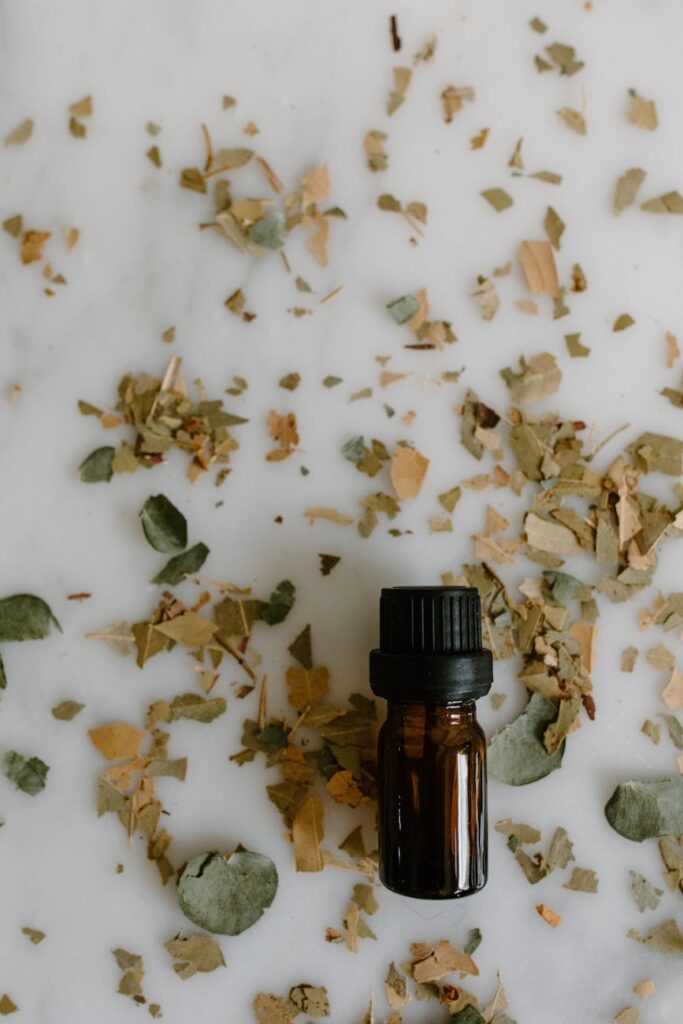
Complete Guide to Hazelnut Oil Part 2
Introduction
Hazelnut oil, derived from the seeds of the hazelnut tree (Corylus avellana), is a versatile and valuable oil that has been utilized for centuries in culinary and therapeutic applications. This guide aims to provide an in-depth understanding of hazelnut oil, exploring its properties, benefits, uses, and safety considerations. Building upon the foundational knowledge of hazelnut oil, we delve deeper into its aromatic applications and practical aspects, ensuring a comprehensive overview for enthusiasts and practitioners alike.
What Is Hazelnut Oil?
Hazelnut oil is extracted from the nuts of the hazelnut tree, primarily found in regions of Europe, Asia, and North America. The extraction process typically involves cold pressing, which helps retain the oil’s natural flavor and beneficial properties. The oil is characterized by its light golden hue and a subtly nutty aroma, making it a popular choice in both culinary and cosmetic applications.
Rich in essential fatty acids, particularly oleic acid, hazelnut oil is known for its emollient properties and ability to nourish the skin. Its high smoke point also makes it suitable for various cooking methods, including sautéing and baking.
Key Benefits and Properties
Hazelnut oil boasts an array of beneficial properties that make it a popular choice in various applications:
Nutritional Profile
- Fatty Acids: Hazelnut oil is predominantly composed of monounsaturated fatty acids, particularly oleic acid, which is known for its heart-healthy benefits.
- Vitamins: It contains vitamin E, an antioxidant that helps protect cells from oxidative damage, and vitamin K, which is essential for blood clotting and bone health.
- Minerals: Hazelnut oil is a source of essential minerals such as magnesium, phosphorus, and calcium.
- Moisturizing: The oil acts as a natural emollient, helping to hydrate and soften the skin.
- Non-comedogenic: Hazelnut oil is less likely to clog pores, making it suitable for various skin types, including oily and acne-prone skin.
- Anti-inflammatory: Its anti-inflammatory properties may help soothe irritated skin.
- Flavor Enhancer: The distinctive nutty flavor of hazelnut oil enhances dishes, making it a popular choice for salad dressings, marinades, and baked goods.
- High Smoke Point: With a smoke point of around 430°F (220°C), it is suitable for various cooking methods without breaking down.
- Salad Dressings: Its rich, nutty flavor makes it an excellent base for vinaigrettes and dressings.
- Baking: Incorporating hazelnut oil in baked goods adds moisture and a unique taste.
- Marinades: It can be used to marinate meats and vegetables, imparting a delightful flavor.
- Moisturizers: It can be used as a base oil in lotions and creams for added hydration.
- Massage Oil: Its smooth texture makes it ideal for use in massage therapy.
- Hair Care: Hazelnut oil can be applied to hair as a conditioner, promoting shine and manageability.
- Diluting Essential Oils: When creating blends for topical application, hazelnut oil can dilute essential oils like lavender, rosemary, or tea tree oil.
- Skin Absorption: The oil’s non-greasy feel allows for quick absorption, making it suitable for use in massage oils and skin treatments.
- Nut Allergies: Individuals with nut allergies should approach hazelnut oil with caution, as it may trigger allergic reactions. It is always advisable to perform a patch test before widespread application on the skin.
- Patch Test: Those using hazelnut oil for the first time should conduct a patch test to ensure there are no adverse reactions. Apply a small amount to a discreet area of skin and observe for any signs of irritation or allergy.
- Proper Storage: To maintain the oil’s quality, store hazelnut oil in a cool, dark place, away from direct sunlight. Sealed containers help prevent oxidation, prolonging shelf life.
- Temperature: Store in a cool environment, ideally below 70°F (21°C).
- Light Exposure: Keep the oil in a dark bottle or a pantry away from light to prevent degradation.
- Seal Tightly: Ensure the bottle is tightly sealed to prevent air exposure, which can lead to rancidity.
- Unopened: Unopened hazelnut oil can last up to 2 years when stored properly.
- Opened: Once opened, it is best used within 6 to 12 months for optimal freshness and flavor.
Skin Benefits
Culinary Benefits
Common Uses
Culinary Applications
Hazelnut oil is celebrated for its flavor and versatility in the kitchen:
Cosmetic Applications
The oil’s nourishing properties extend to skincare and beauty applications:
Aromatherapy Applications
Aromatherapy involves the use of essential oils and other aromatic compounds to promote physical and emotional well-being. While hazelnut oil itself is not an essential oil, it serves as an effective carrier oil in aromatherapy practices.
Carrier Oil
As a carrier oil, hazelnut oil blends well with various essential oils, allowing for effective dilution and application. Its light texture and neutral scent make it an excellent choice for:
Scent Blending
While hazelnut oil itself does not possess strong aromatic properties, it complements other essential oils, enhancing their scents. It is often used in formulations for perfumes, candles, and diffusers to provide a nutty undertone.
Safety Considerations
While hazelnut oil is generally regarded as safe for most individuals, it is important to be aware of certain considerations:
Allergies
Skin Sensitivity
Storage
Storage and Shelf Life
Hazelnut oil, like other culinary oils, has a finite shelf life. Proper storage is crucial for maintaining its quality:
Storage Conditions
Shelf Life
Frequently Asked Questions
1. Can hazelnut oil be used for cooking at high temperatures?
Yes, hazelnut oil has a high smoke point of around 430°F (220°C), making it suitable for various cooking methods, including frying and sautéing.
2. Is hazelnut oil safe for all skin types?
Hazelnut oil is generally suitable for various skin types and is non-comedogenic. However, individuals with nut allergies should avoid it, and a patch test is recommended for first-time users.
3. How can I incorporate hazelnut oil into my skincare routine?
Hazelnut oil can be used as a moisturizer, mixed into lotions, or utilized as a carrier oil for essential oils in massage blends.
4. What essential oils blend well with hazelnut oil?
Hazelnut oil pairs well with a variety of essential oils, including lavender, chamomile, rosemary, and citrus oils, enhancing their aromatic and therapeutic properties.
5. Can hazelnut oil be used for hair care?
Yes, hazelnut oil can be applied to hair as a conditioning treatment, helping to moisturize and enhance shine.
Conclusion
Hazelnut oil is a remarkable oil with a wealth of benefits and applications. From its culinary uses to its role in skincare and aromatherapy, it stands out as a versatile ingredient in health and wellness practices. By understanding its properties, benefits, and safety considerations, individuals can effectively incorporate hazelnut oil into their daily routines, enhancing both their culinary experiences and personal care regimens. As with any natural product, a mindful approach ensures a positive and enriching experience with hazelnut oil.