
Complete Guide to Hazelnut Oil Part 3
Introduction
Hazelnut oil, derived from the nuts of the hazelnut tree (Corylus avellana), is celebrated not only for its rich flavor and culinary applications but also for its various benefits in skincare, haircare, and aromatherapy. This article serves as the third part of our comprehensive guide to hazelnut oil, delving deeper into its properties, uses, and applications in aromatherapy. Whether you’re a culinary enthusiast, a skincare aficionado, or simply curious about essential oils, this guide aims to provide valuable insights into the versatile world of hazelnut oil.
What Is Hazelnut Oil?
Hazelnut oil is a cold-pressed oil extracted from the kernels of hazelnuts. This light, golden oil is characterized by its nutty aroma and flavor, making it a popular choice in gourmet cooking and salad dressings. Hazelnut oil is primarily composed of monounsaturated fats, particularly oleic acid, which contributes to its health benefits and stability.
In addition to its culinary uses, hazelnut oil is a valuable ingredient in cosmetic formulations due to its emollient properties. It is often included in skincare products for its ability to nourish and moisturize the skin without clogging pores. The oil is also rich in vitamins E and A, which are known for their antioxidant properties.
Key Benefits and Properties
Nutritional Profile
Hazelnut oil boasts a rich nutritional profile that includes:
- Monounsaturated Fats: Approximately 80% of hazelnut oil consists of monounsaturated fats, which are known to support heart health.
- Vitamins: High in vitamin E, hazelnut oil can help protect the skin from oxidative stress, while vitamin A supports skin renewal and health.
- Antioxidants: The oil contains natural antioxidants that may help combat free radicals, contributing to overall skin vitality.
- Moisturizing: Its emollient properties allow it to penetrate the skin easily, providing hydration without a greasy residue.
- Balancing: Suitable for all skin types, it can help balance oil production, making it beneficial for both dry and oily skin.
- Anti-inflammatory: The oil may help reduce redness and irritation, promoting a more even complexion.
- Nourishing: It can help moisturize and strengthen hair, reducing breakage and promoting shine.
- Scalp Care: The oil may soothe dry or irritated scalps, contributing to overall scalp health.
- Dressings and Marinades: Its nutty flavor complements salads and grilled vegetables.
- Baking: It can be used in baked goods for a unique twist.
- Finishing Oil: Drizzling hazelnut oil over dishes just before serving enhances flavor.
- Moisturizers: It serves as a key ingredient in creams and lotions for its hydrating properties.
- Serums: Hazelnut oil is often included in facial serums for its nourishing benefits.
- Hair Products: It is found in shampoos and conditioners aimed at promoting shine and manageability.
- Lavender: Known for its calming properties, lavender essential oil combined with hazelnut oil can create a soothing massage blend.
- Rosemary: This combination may promote mental clarity and focus when used in diffusion or topical applications.
- Citrus Oils: Blending hazelnut oil with citrus essential oils can uplift mood and provide a refreshing aroma.
- Allergic Reactions: Individuals with nut allergies should avoid hazelnut oil, as it may trigger allergic reactions.
- Topical Use: A patch test is recommended before using hazelnut oil topically, especially for those with sensitive skin.
- Pregnancy and Nursing: While hazelnut oil is safe for most, pregnant or nursing individuals should consult a healthcare provider before use.
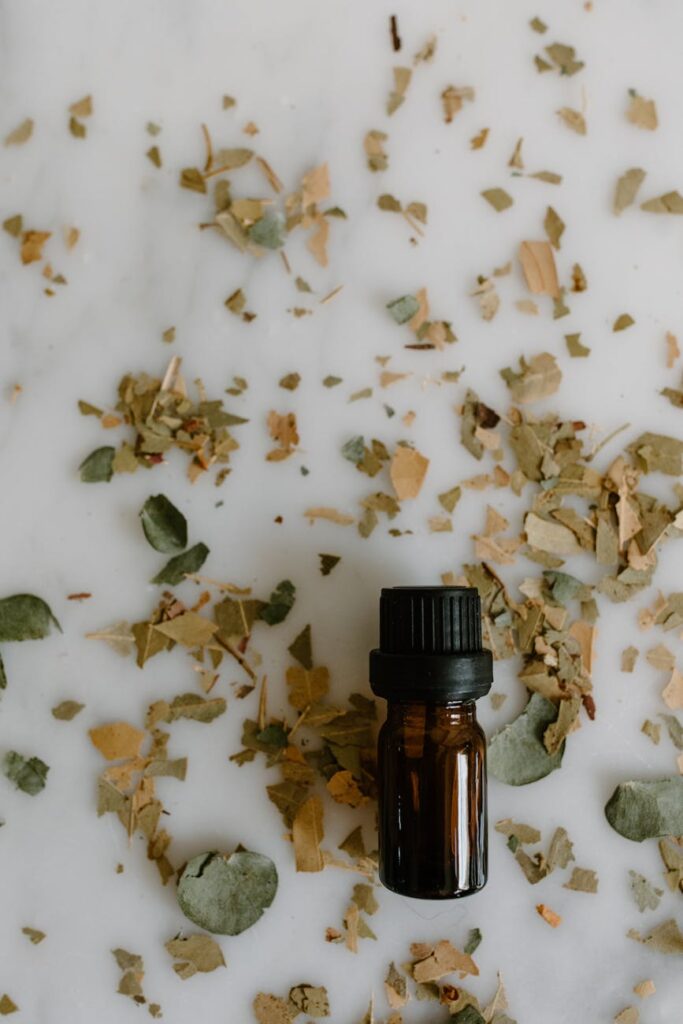
- Storage Conditions: Keep hazelnut oil in a cool, dark place, away from direct sunlight and heat. A dark glass bottle is ideal for protection against light.
- Shelf Life: When stored properly, hazelnut oil has a shelf life of approximately 12 to 24 months. However, it is advisable to check for any signs of rancidity, such as off odors or changes in color.
Skin Benefits
Hazelnut oil is often hailed for its skincare benefits, including:
Hair Health
In addition to skincare, hazelnut oil can enhance hair health:
Common Uses
Culinary Uses
Hazelnut oil is widely used in the culinary world for its distinctive flavor. Here are some common applications:
Cosmetic Applications
Due to its emollient properties, hazelnut oil is a popular choice in various cosmetic formulations:
Aromatherapy Applications
While hazelnut oil is not an essential oil, it plays an important role in aromatherapy as a carrier oil. Carrier oils are used to dilute essential oils, allowing for safe topical application. Hazelnut oil’s light texture and nutty aroma make it an excellent choice for blending with essential oils.
Blending with Essential Oils
Hazelnut oil pairs well with various essential oils, enhancing their benefits:
Massage Therapy
Hazelnut oil is often used in massage therapy, thanks to its smooth texture and skin-nourishing properties. It can be blended with essential oils to create personalized massage oils tailored to individual preferences and needs.
Safety Considerations
While hazelnut oil is generally considered safe for most individuals, there are a few safety considerations to keep in mind:
Storage and Shelf Life
To maintain the quality and freshness of hazelnut oil, proper storage is essential:
Frequently Asked Questions
1. Can hazelnut oil be used for cooking?
Yes, hazelnut oil is commonly used in cooking and can add a rich, nutty flavor to various dishes. It is ideal for salad dressings, marinades, and as a finishing oil.
2. Is hazelnut oil suitable for all skin types?
Hazelnut oil is generally considered suitable for all skin types. Its lightweight texture makes it beneficial for both dry and oily skin, as it helps balance oil production.
3. Can I use hazelnut oil in aromatherapy?
Yes, hazelnut oil is often used as a carrier oil in aromatherapy. It can be blended with essential oils for topical application or massage.
4. How should I store hazelnut oil?
Store hazelnut oil in a cool, dark place, preferably in a dark glass bottle, to protect it from light and heat.
5. Does hazelnut oil expire?
When stored properly, hazelnut oil can last between 12 to 24 months. Always check for signs of rancidity before use.
Conclusion
Hazelnut oil is a versatile oil with a myriad of applications in cooking, skincare, and aromatherapy. Its unique properties and benefits make it a valuable addition to both culinary and cosmetic practices. As with any oil, understanding its uses, benefits, and proper storage can enhance your experience and appreciation for this delightful and nourishing oil. Whether you are enjoying it in a delicious dish or incorporating it into your skincare routine, hazelnut oil continues to be a cherished oil around the globe.