
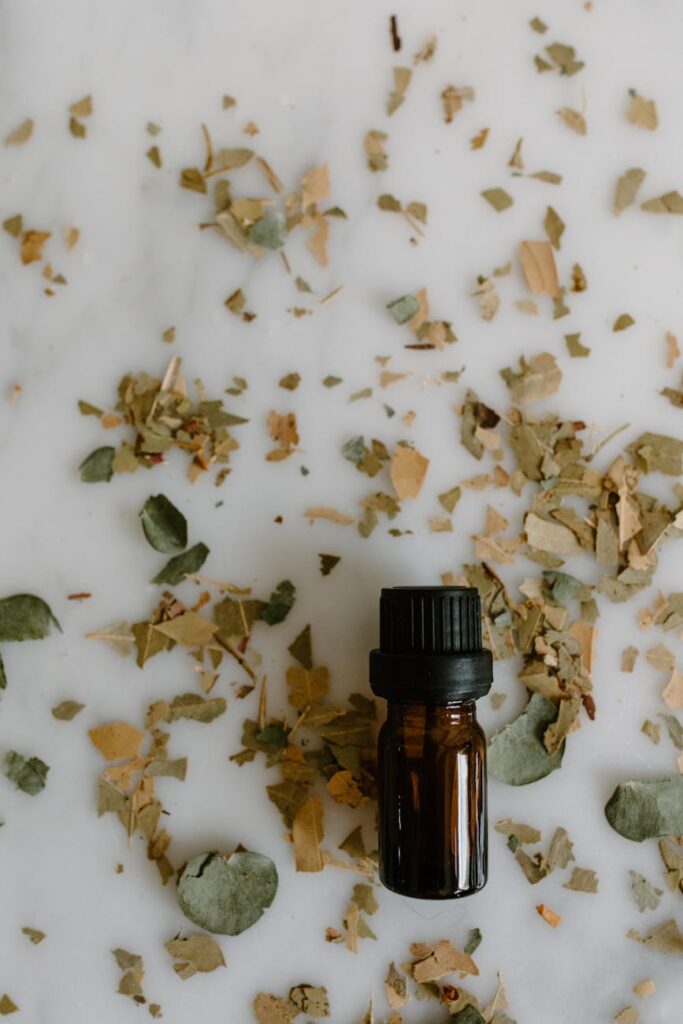
Complete Guide to Hazelnut Oil Part 4
Introduction
In recent years, the interest in natural oils and their myriad applications has gained significant traction. Among these, hazelnut oil stands out due to its unique properties and versatility. Often overshadowed by more mainstream oils, hazelnut oil deserves attention for its numerous benefits, both in culinary practices and holistic therapies. This article serves as a comprehensive guide, exploring the characteristics, benefits, and applications of hazelnut oil, with a particular focus on its role in aromatherapy.
What Is Hazelnut Oil?
Hazelnut oil is derived from the nuts of the hazel tree (Corylus avellana), which is native to Europe and parts of Asia. The extraction process typically involves cold pressing the nuts, preserving the oil’s natural flavor, aroma, and beneficial properties. The oil has a light golden color and a subtle nutty scent, making it a popular choice in both culinary and cosmetic applications.
Rich in fatty acids and vitamins, hazelnut oil is prized for its emollient properties, making it an excellent addition to skincare routines. Its composition includes a high percentage of oleic acid (approximately 70%), linoleic acid, and palmitic acid, contributing to its nourishment and moisturizing capabilities.
Key Benefits and Properties
Hazelnut oil boasts a range of beneficial properties that make it a valuable ingredient in various applications:
Nutritional Profile
Hazelnut oil is rich in essential fatty acids, vitamins, and antioxidants. Key components include:
- Vitamin E: Known for its antioxidant properties, vitamin E helps combat oxidative stress and supports skin health.
- Fatty Acids: The oil is predominantly monounsaturated fats, which can contribute to heart health and provide a source of energy.
- Moisturizing: It hydrates the skin without leaving a greasy residue, making it ideal for daily use.
- Non-comedogenic: It does not clog pores, reducing the risk of breakouts.
- Soothing: Its anti-inflammatory properties can help calm irritated skin.
- Flavor Enhancer: It adds a nutty depth to dressings, marinades, and baked goods.
- High Smoke Point: With a smoke point of around 430°F (220°C), it is suitable for sautéing and roasting.
- Salad Dressings: It can be used as a base for vinaigrettes, providing a rich, nutty undertone.
- Baking: A few drops can elevate the flavor of cakes, cookies, and pastries.
- Drizzling: It can be drizzled over roasted vegetables or used to finish dishes for added flavor.
- Moisturizers: It is often included in creams and lotions for its hydrating effects.
- Massage Oils: Its smooth texture makes it a popular choice for massage blends.
- Hair Care Products: It can be found in conditioners and hair oils, promoting shine and manageability.
- Lavender: Known for its calming effects, lavender essential oil blends well with hazelnut oil for a relaxing body oil.
- Bergamot: This uplifting citrus oil complements hazelnut oil, creating a refreshing blend that can enhance mood.
- Peppermint: The invigorating scent of peppermint can be balanced with hazelnut oil for use in massage blends.
- Allergies: Individuals with nut allergies should avoid hazelnut oil to prevent allergic reactions. It is crucial to conduct a patch test before applying the oil topically.
- Skin Sensitivity: As with any oil, some individuals may experience sensitivity. It is advisable to dilute hazelnut oil with a carrier oil before applying it to large areas of the skin.
- Consultation: If you are pregnant, nursing, or have any medical conditions, it is recommended to consult with a healthcare professional before incorporating hazelnut oil into your routine.
- Cool, Dark Place: Hazelnut oil should be stored in a cool, dark place, away from direct sunlight and heat sources. A pantry or cupboard is ideal.
- Seal Tightly: Ensure the bottle is tightly sealed to prevent oxidation and rancidity.
- Refrigeration: For extended shelf life, consider refrigerating hazelnut oil, especially in warmer climates. However, it may become cloudy when chilled but will return to its normal state at room temperature.
Skin Benefits
Hazelnut oil is well-regarded in skincare for its emollient properties. Its lightweight texture allows for easy absorption, making it suitable for all skin types, including oily and sensitive skin. Some notable benefits include:
Culinary Qualities
In the kitchen, hazelnut oil is celebrated for its rich flavor and versatility:
Common Uses
Culinary Applications
Hazelnut oil is a popular choice among chefs and home cooks alike. Its distinct flavor enhances various dishes, including:
Skincare and Cosmetics
The beauty industry has embraced hazelnut oil for its beneficial properties:
Aromatherapy Applications
While hazelnut oil is primarily known for its culinary and skincare uses, it also has potential applications in aromatherapy. Its subtle nutty aroma can be blended with various essential oils to create soothing and grounding experiences.
Blending with Other Oils
Hazelnut oil serves as an excellent carrier oil, allowing for the safe application of essential oils on the skin. Its properties make it a suitable base for blends intended for relaxation, rejuvenation, or emotional support. Some effective combinations include:
Diffusion and Inhalation
While hazelnut oil is not typically used in diffusers due to its density, it can be included in personal inhalers or applied topically (when diluted) to promote a sense of well-being.
Safety Considerations
Hazelnut oil is generally considered safe for most individuals when used appropriately. However, there are some important considerations to keep in mind:
Storage and Shelf Life
Proper storage is essential to maintain the quality of hazelnut oil. Here are some tips for optimal storage:
Shelf Life
When stored properly, hazelnut oil typically has a shelf life of about 1-2 years. It is advisable to check for any off odors or changes in color before use, as these can indicate rancidity.
Frequently Asked Questions
Is hazelnut oil suitable for cooking?
Yes, hazelnut oil has a high smoke point, making it suitable for cooking methods such as sautéing and roasting, as well as for use in dressings and marinades.
Can hazelnut oil be used on all skin types?
Hazelnut oil is generally suitable for all skin types, including oily and sensitive skin, due to its lightweight, non-comedogenic nature.
How should hazelnut oil be used in aromatherapy?
Hazelnut oil can be used as a carrier oil for essential oils in blends intended for topical application, as well as in personal inhalers. It is not typically used in diffusers.
Is hazelnut oil safe for pregnant or nursing individuals?
While hazelnut oil is generally safe, it is recommended to consult with a healthcare professional before use during pregnancy or nursing, particularly in topical applications.
How can I tell if hazelnut oil has gone bad?
Check for off odors, changes in color, or a rancid taste. If any of these signs are present, it is advisable to discard the oil.
Conclusion
Hazelnut oil is a versatile and beneficial oil that lends itself to a variety of applications. From enriching culinary creations to enhancing skincare routines, its properties make it a valuable addition to any natural lifestyle. As interest in holistic practices continues to grow, understanding the uses and benefits of oils like hazelnut oil becomes increasingly important. Whether you are an experienced practitioner or a curious beginner, this guide provides a solid foundation for exploring the world of hazelnut oil.