
Complete Guide to Hazelnut Oil Part 6
Introduction
Hazelnut oil, a lesser-known yet versatile oil, has gained attention in recent years for its various applications in culinary, cosmetic, and therapeutic fields. Derived from the nuts of the hazel tree (Corylus avellana), this oil offers a host of benefits and properties that make it a valuable addition to any natural wellness or beauty regimen. This article aims to provide a comprehensive guide to hazelnut oil, exploring its origins, benefits, common uses, and more.
What Is Hazelnut Oil?
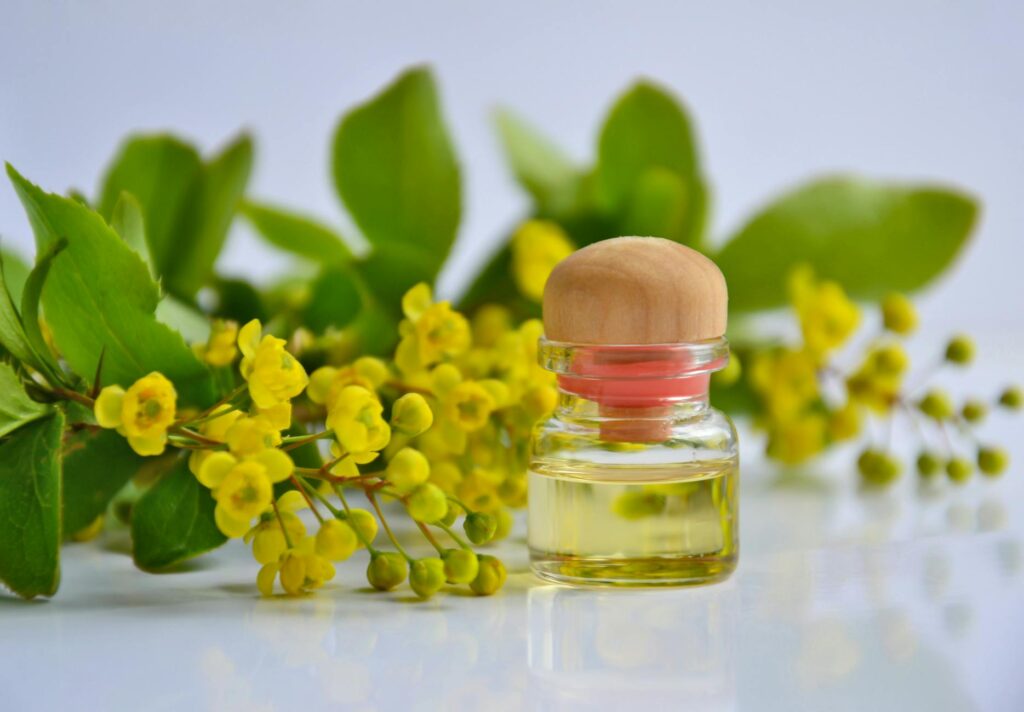
Hazelnut oil is a cold-pressed oil derived from the seeds of the hazel tree, native to regions of Europe and North America. The hazelnuts are harvested, shelled, and then subjected to a cold-pressing process that retains the oil’s rich flavor and nutritional profile. This oil is characterized by its light, nutty flavor and a golden-yellow to greenish hue, making it a popular choice for both culinary and cosmetic applications.
In terms of composition, hazelnut oil is rich in monounsaturated fatty acids, particularly oleic acid, which is known for its heart-healthy properties. It also contains vitamins E and K, as well as several antioxidants, making it a nutritious addition to diets and skincare routines.
Key Benefits and Properties
Hazelnut oil boasts a range of benefits that make it an appealing choice in various applications:
Nutritional Profile
- Rich in Healthy Fats: Hazelnut oil is primarily composed of monounsaturated fats, which can contribute to overall heart health.
- Antioxidants: The presence of vitamin E and other antioxidants helps in neutralizing free radicals, potentially reducing oxidative stress in the body.
- Moisturizing: The oil is an excellent emollient and can help to hydrate the skin without leaving a greasy residue.
- Anti-inflammatory: Hazelnut oil may help soothe irritated skin and reduce redness due to its anti-inflammatory properties.
- Nourishment: When applied to hair, hazelnut oil can provide essential nutrients that support healthy hair growth and shine.
- Scalp Health: Its moisturizing properties can help alleviate dryness and flakiness on the scalp.
- Salad Dressings: Its rich flavor makes it an excellent base for salad dressings or drizzles over vegetables.
- Cooking Oil: Hazelnut oil has a high smoke point, making it suitable for sautéing and baking.
- Skincare: Often found in lotions, creams, and serums, hazelnut oil is popular in skincare formulations due to its moisturizing and soothing properties.
- Hair Care: Used in conditioners and hair masks, it helps restore moisture and impart shine.
- With Lavender: Combining hazelnut oil with lavender essential oil can create a calming massage blend that promotes relaxation.
- With Citrus Oils: Pairing hazelnut oil with citrus oils like lemon or orange can enhance energy and uplift mood.
- Massage: When diluted with essential oils, it can be used for therapeutic massages to help ease muscle tension and stress.
- Diffusion: While hazelnut oil itself is not typically diffused, it can be blended with essential oils for a customized aromatic experience.
- Nut Allergies: Individuals with nut allergies should avoid using hazelnut oil, as it may trigger allergic reactions.
- Patch Test: It is advisable to conduct a patch test before using hazelnut oil on larger skin areas, especially for those with sensitive skin.
- Dilution: When used as a carrier oil for essential oils, ensure proper dilution to avoid skin irritation.
- Cool, Dark Place: Store hazelnut oil in a cool, dark location, away from direct sunlight and heat sources to prevent oxidation.
- Airtight Container: Use an airtight container to minimize exposure to air, which can degrade the oil over time.
- Unopened Bottles: When stored properly, unopened hazelnut oil can last up to 2 years.
- Opened Bottles: Once opened, it is best to use hazelnut oil within 6-12 months for optimal freshness and flavor.
Skin Benefits
Hair Benefits
Common Uses
Hazelnut oil is versatile and can be utilized in various domains:
Culinary Uses
Cosmetic Applications
Aromatherapy
While not a primary essential oil, hazelnut oil can act as a carrier oil in aromatherapy. It blends well with essential oils and enhances their benefits when used for massage or diffusion.
Aromatherapy Applications
In the realm of aromatherapy, hazelnut oil serves as a carrier oil, effectively diluting essential oils for safe topical application. Its subtle, nutty aroma complements a variety of essential oils, making it a popular choice for blending.
Popular Blends
Application Methods
Safety Considerations
Hazelnut oil is generally regarded as safe for topical and culinary use; however, certain considerations should be kept in mind:
Allergies
Skin Sensitivity
Interaction with Essential Oils
Storage and Shelf Life
To maximize the shelf life and quality of hazelnut oil, proper storage practices are essential:
Storage Recommendations
Shelf Life
Frequently Asked Questions
1. Is hazelnut oil suitable for all skin types?
Hazelnut oil is generally suitable for most skin types, particularly dry and combination skin. However, those with nut allergies should avoid it.
2. Can I use hazelnut oil for cooking at high temperatures?
Yes, hazelnut oil has a relatively high smoke point, making it suitable for various cooking methods, including sautéing and baking.
3. How can I incorporate hazelnut oil into my skincare routine?
You can use hazelnut oil as a moisturizer or as a carrier oil for essential oils in serums and lotions.
4. Does hazelnut oil have a strong scent?
Hazelnut oil has a mild, nutty aroma that is not overpowering, making it an excellent choice for blending with other essential oils.
5. Is hazelnut oil vegan?
Yes, hazelnut oil is plant-based and suitable for a vegan lifestyle.
Conclusion
Hazelnut oil is a multifaceted oil with numerous benefits and applications across culinary, cosmetic, and aromatherapy fields. Its rich nutritional profile and unique properties make it a valuable addition to any wellness routine. When used safely and stored properly, hazelnut oil can enhance both culinary creations and personal care products, offering a wealth of benefits for health and beauty enthusiasts alike. For those looking to explore the world of natural oils, hazelnut oil is certainly worth considering.