
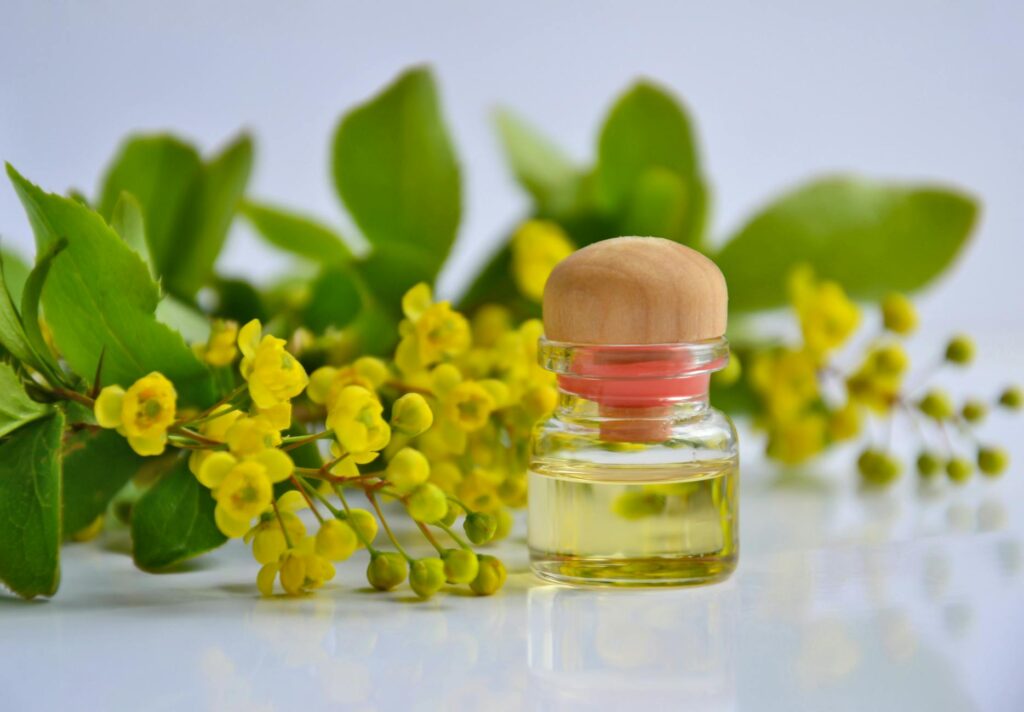
Complete Guide to Hazelnut Oil Part 7
Introduction
Hazelnut oil, derived from the nuts of the hazel tree (Corylus avellana), has gained popularity in both culinary and cosmetic applications due to its rich nutritional profile and versatile properties. This comprehensive guide aims to explore the various aspects of hazelnut oil, including its benefits, uses, and applications in aromatherapy. Whether you are an enthusiast or simply curious about this oil, this guide will equip you with the knowledge needed to understand hazelnut oil better.
What Is Hazelnut Oil?
Hazelnut oil is a cold-pressed oil extracted from the seeds of the hazelnut fruit, which is native to various regions, including Europe, Asia, and North America. The oil is typically light yellow to golden in color and possesses a mild, nutty aroma. Known for its high monounsaturated fat content, hazelnut oil is often favored for its ability to enhance flavors in culinary dishes and its beneficial properties in skin care.
The extraction process generally involves mechanical pressing of the nuts, preserving the oil’s natural flavor and nutritional qualities. Depending on the method of extraction, hazelnut oil can be refined or unrefined, with the latter retaining more of its natural aroma and nutrients.
Key Benefits and Properties
Hazelnut oil is celebrated for its numerous benefits and properties, making it a valuable addition to both diets and beauty regimens:
Nutritional Profile
- Rich in Vitamins: Hazelnut oil contains essential vitamins such as Vitamin E, which acts as an antioxidant, protecting cells from oxidative stress.
- Fatty Acids: The oil is high in oleic acid, a monounsaturated fatty acid that may contribute to heart health.
- Minerals: It also provides minerals like magnesium, calcium, and potassium, which are important for various bodily functions.
- Moisturizing: Hazelnut oil is easily absorbed into the skin, making it an effective moisturizer. It helps to hydrate and nourish the skin without leaving a greasy residue.
- Anti-Inflammatory: The oil’s anti-inflammatory properties can help soothe irritated skin and reduce redness.
- Cooking Oil: Its high smoke point makes it suitable for sautéing, frying, and baking.
- Salad Dressings: The nutty flavor enhances salad dressings and marinades, providing a unique twist to traditional recipes.
- Flavoring Agent: Hazelnut oil can be drizzled over dishes, used in desserts, or added to beverages for a subtle nutty flavor.
- Moisturizers: Many skin care products incorporate hazelnut oil for its emollient properties.
- Hair Care: It can be used as a hair conditioner, helping to add shine and moisture to dry hair.
- Massage Oil: Due to its light texture and pleasant aroma, hazelnut oil is often used in massage therapies.
- Cool, Dark Location: Store the oil in a cool, dark place to minimize exposure to heat and light.
- Seal Tightly: Ensure the bottle is tightly sealed after each use to limit oxidation.
- Refrigeration: For prolonged storage, hazelnut oil can be refrigerated, although this may cause it to thicken. Allow it to come to room temperature before use.
Antioxidant Properties
The oil is rich in antioxidants, which can help combat free radicals and reduce the risk of chronic diseases. These properties make hazelnut oil a popular choice in both culinary and cosmetic applications.
Skin Benefits
Common Uses
Hazelnut oil’s versatility allows it to be utilized across various domains:
Culinary Uses
Cosmetic Uses
Aromatherapy Applications
In aromatherapy, hazelnut oil may not be as widely recognized as essential oils, but it serves as an effective carrier oil. Here are some applications of hazelnut oil in aromatherapy:
Carrier Oil
Hazelnut oil’s lightweight texture makes it an excellent carrier oil for diluting essential oils before topical application. This allows for safe and effective use of essential oils, ensuring that the skin is not overwhelmed by their potency.
Blending with Essential Oils
Hazelnut oil can be blended with a variety of essential oils, such as lavender, rosemary, and chamomile, enhancing their therapeutic effects while providing a nourishing base for the skin. Its mild aroma complements many scents, making it a desirable choice for creating personalized blends.
Massage
Incorporating hazelnut oil into massage practices can enhance the experience, as it allows for smooth application and glide. The oil’s moisturizing properties can further benefit the skin during the massage.
Safety Considerations
While hazelnut oil is generally considered safe for most people, there are a few considerations to keep in mind:
Allergies
Individuals who are allergic to nuts should exercise caution when using hazelnut oil, as it could trigger allergic reactions. Always perform a patch test before using the oil topically.
Storage
To maintain the quality of hazelnut oil, it should be stored in a cool, dark place, away from direct sunlight. Proper storage can prevent rancidity and preserve its beneficial properties.
Storage and Shelf Life
The shelf life of hazelnut oil typically ranges from 6 to 12 months when stored properly. Here are some tips for extending its shelf life:
Frequently Asked Questions
1. Can hazelnut oil be used for cooking?
Yes, hazelnut oil is excellent for cooking due to its high smoke point and nutty flavor. It can be used for sautéing, baking, and drizzling over dishes.
2. Is hazelnut oil suitable for sensitive skin?
Hazelnut oil is generally safe for sensitive skin, but individuals with nut allergies should avoid it. Always conduct a patch test before widespread use.
3. How should I incorporate hazelnut oil into my skincare routine?
Hazelnut oil can be applied directly to the skin as a moisturizer or used in conjunction with other essential oils. It can also be included in DIY skincare formulations.
4. Does hazelnut oil expire?
Yes, hazelnut oil can expire. Proper storage can extend its shelf life to 6-12 months. Always check for off odors or changes in appearance before use.
5. Can hazelnut oil be used in aromatherapy?
While hazelnut oil is not an essential oil, it is an effective carrier oil for diluting essential oils and can be used in massage therapies.
Conclusion
Hazelnut oil is a multifaceted oil with a range of applications in culinary, cosmetic, and aromatherapy practices. Its rich nutritional profile, combined with its moisturizing properties, makes it beneficial for skin and hair care. When used responsibly and stored correctly, hazelnut oil can be a valuable addition to your health and wellness routine. Whether you’re cooking, crafting beauty products, or exploring aromatherapy, hazelnut oil offers versatility and efficacy.