
Complete Guide to Helichrysum Oil Part 1
Introduction
Helichrysum oil, derived from the flowering plant Helichrysum italicum, has gained popularity in both the aromatherapy and natural health communities. Known for its distinctive aroma and numerous applications, this essential oil is often regarded as a vital component in various holistic practices. In this guide, we will explore the origins, benefits, uses, and safety considerations of helichrysum oil, providing a comprehensive overview for those interested in incorporating it into their wellness routines.
What Is Helichrysum Oil?
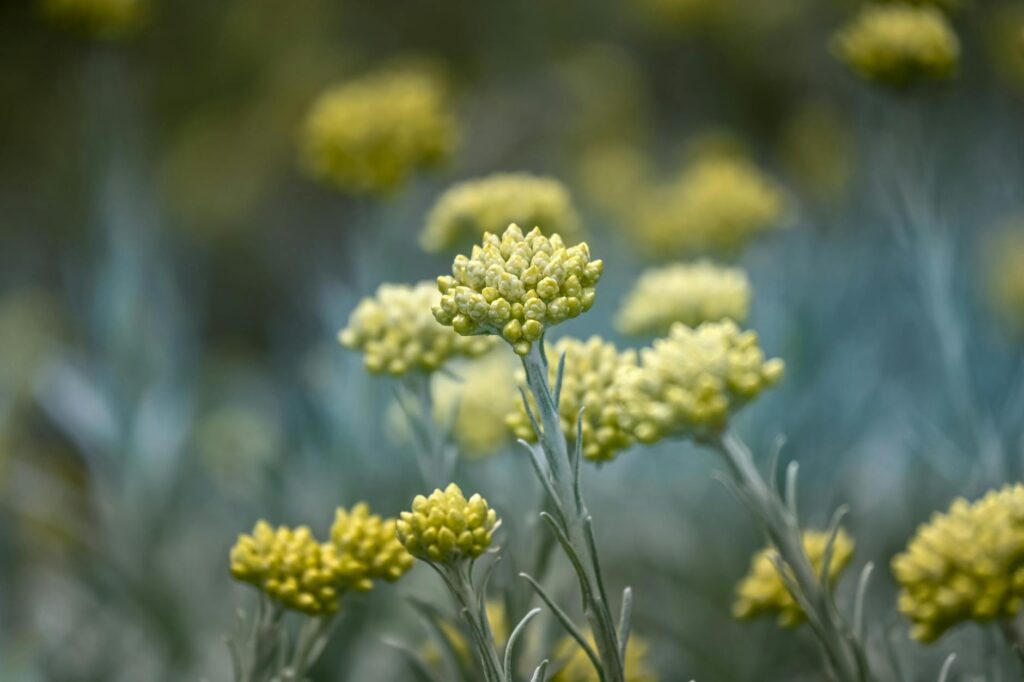
Helichrysum oil is extracted from the flowers of the Helichrysum italicum plant, which is commonly found in regions such as the Mediterranean, particularly in France, Italy, and Croatia. This perennial herb is characterized by its yellow or golden blooms, which retain their color even after drying, leading to the nickname “Everlasting Flower.” The oil is typically obtained through steam distillation of the flowering tops and is celebrated for its rich aromatic profile.
The chemical composition of helichrysum oil is complex, featuring various compounds such as italidiones, alpha-pinene, and neryl acetate. These components contribute to the oil’s unique scent and its potential benefits in various applications.
Key Benefits and Properties
Helichrysum oil is known for its diverse range of properties, making it a versatile oil in both aromatherapy and personal care.
1. Anti-inflammatory Properties: Helichrysum oil has been associated with calming inflammation, which may help reduce redness and swelling in the skin.
2. Antioxidant Effects: The oil contains compounds that can help combat oxidative stress, potentially supporting skin health and overall well-being.
3. Regenerative Qualities: It is often used in skincare formulations for its reputed ability to promote skin regeneration and healing, making it a popular choice for addressing scars and blemishes.
4. Mood Enhancement: The oil’s aromatic profile is thought to have uplifting effects on mood, contributing to emotional balance and mental clarity.
5. Antiseptic Properties: Helichrysum oil may help cleanse and protect against microbial growth, making it useful for minor cuts and abrasions.
Common Uses
The versatility of helichrysum oil lends itself to a variety of applications. Here are some of the most common uses:
- Skincare: Due to its regenerative properties, helichrysum oil is often added to creams, serums, and masks to promote healing and improve skin texture.
- Massage Therapy: The oil’s soothing aroma and anti-inflammatory properties make it a popular choice in massage blends, helping to relax muscles and alleviate tension.
- Hair Care: Helichrysum oil can improve scalp health and promote hair growth, often included in formulations for hair serums and shampoos.
- Emotional Balance: Used in diffusers or inhalers, the oil can help create a calming environment, making it beneficial for stress relief and emotional support.
- Dilution: Essential oils are highly concentrated; therefore, always dilute helichrysum oil with a carrier oil before applying it to the skin to reduce the risk of irritation.
- Patch Test: Conduct a patch test prior to using the oil topically. Apply a small amount of diluted oil to a discreet area and observe for any adverse reactions over 24 hours.
- Pregnancy and Nursing: Due to a lack of comprehensive studies, pregnant or nursing individuals should consult with a healthcare professional before using helichrysum oil.
- Allergic Reactions: If you have a known allergy to plants in the Asteraceae family (such as daisies, marigolds, or chrysanthemums), exercise caution when using helichrysum oil.
- Avoiding Ingestion: Helichrysum oil is not intended for internal use unless under the guidance of a qualified healthcare practitioner.
- Keep Away from Light: Store helichrysum oil in a dark glass bottle to protect it from sunlight, which can degrade its constituents over time.
- Seal Tightly: Ensure the bottle is tightly sealed to prevent evaporation and contamination.
- Cool Environment: Store the oil in a cool, dry place, away from heat sources and humidity.
Aromatherapy Applications
In aromatherapy, helichrysum oil is typically used for its calming and grounding effects. Here are some popular methods for incorporating it into your practice:
1. Diffusion: Add a few drops of helichrysum oil to a diffuser to fill your space with its warm and earthy aroma. This method can help create a serene atmosphere, ideal for meditation or relaxation.
2. Inhalation: Direct inhalation can be achieved by placing a drop of helichrysum oil on a tissue or cotton ball and breathing in its scent. This method is useful for immediate emotional support.
3. Topical Application: When diluted with a carrier oil, helichrysum oil can be applied to pulse points or specific areas of concern. Its skin-regenerative properties make it particularly beneficial for topical use.
4. Bathing: Adding helichrysum oil to a warm bath can enhance relaxation and provide an aromatic experience that soothes both the body and mind.
Safety Considerations
While helichrysum oil is generally considered safe for use, it is essential to follow several guidelines to ensure a positive experience:
Storage and Shelf Life
To maintain the quality and efficacy of helichrysum oil, proper storage is crucial. Here are some key tips:
The shelf life of helichrysum oil can vary but is generally around 2 to 3 years if stored properly. Always check for any changes in aroma, color, or consistency before use.
Frequently Asked Questions
1. Can helichrysum oil be used on sensitive skin?
While helichrysum oil is considered gentle and beneficial for the skin, it should still be diluted with a carrier oil before application, especially on sensitive skin types.
2. Is helichrysum oil safe for children?
Helichrysum oil can be used with children but should be heavily diluted and applied cautiously. It is advisable to consult a qualified aromatherapist or healthcare provider for guidance.
3. Can helichrysum oil help with scars?
Helichrysum oil is often praised for its regenerative properties and is commonly used in formulations aimed at improving the appearance of scars. However, results can vary, and it should be used as part of a broader skincare regimen.
4. How can I incorporate helichrysum oil into my daily routine?
Helichrysum oil can be incorporated into your daily routine through various methods, such as adding it to your skincare products, using it in a diffuser, or including it in your massage oil.
5. What should I do if I experience irritation from helichrysum oil?
If you experience irritation after using helichrysum oil, discontinue use immediately and wash the affected area with soap and water. If irritation persists, consult a healthcare professional.
Conclusion
Helichrysum oil is a remarkable essential oil with a wealth of potential benefits and applications. From its origins as an everlasting flower to its role in promoting skin health and emotional well-being, this oil has much to offer. In the next part of this guide, we will delve deeper into its applications in personal care, specific blends for various needs, and more. As with any essential oil, understanding its properties and safe usage is key to maximizing its benefits. Stay tuned for Part 2 of our complete guide to helichrysum oil.