
Complete Guide to Helichrysum Oil Part 3
Introduction
Helichrysum oil, derived from the flowers of the Helichrysum italicum plant, has garnered attention for its aromatic properties and a wide range of applications in personal care, wellness, and household uses. This article serves as the final installment of a comprehensive guide to Helichrysum oil, detailing its benefits, applications, safety considerations, and more.
What Is Helichrysum Oil?
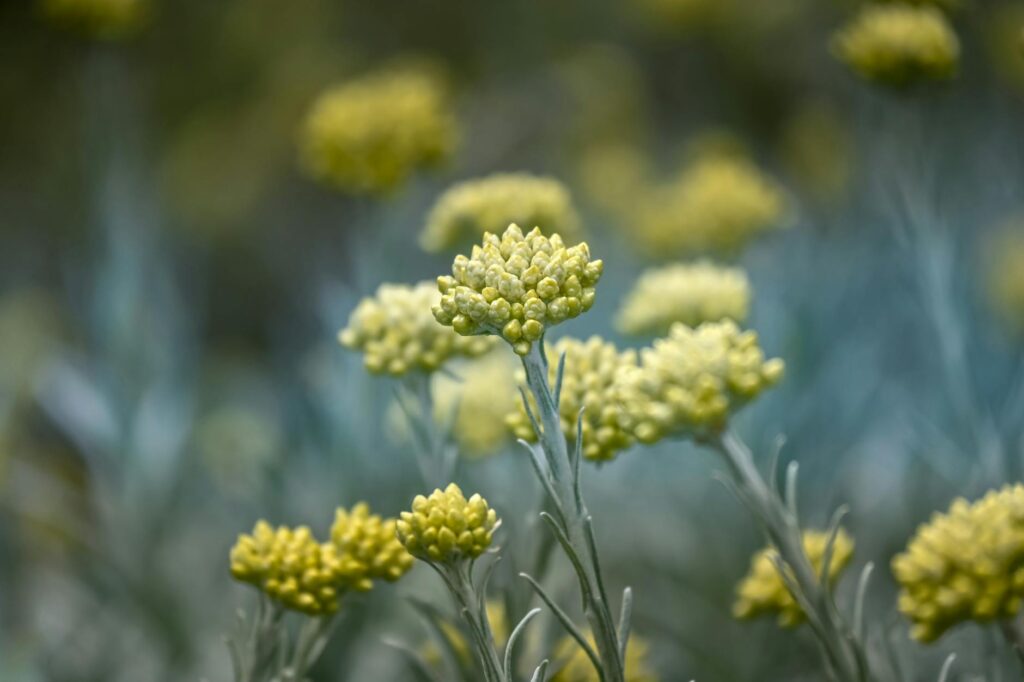
Helichrysum oil is an essential oil extracted from the flowering tops of the Helichrysum italicum plant, commonly known as the everlasting flower or immortelle. This perennial herb is native to Mediterranean regions and is recognized for its bright yellow flowers, which maintain their color long after being dried. The extraction of the oil typically occurs through steam distillation, resulting in a potent, aromatic oil with distinctive earthy and floral notes.
The oil is rich in various chemical compounds, including sesquiterpenes, phenylpropanoids, and flavonoids, contributing to its unique fragrance and potential benefits. Its therapeutic properties have been celebrated in traditional medicine, and it is increasingly utilized in modern aromatherapy and cosmetic formulations.
Key Benefits and Properties
Helichrysum oil is noted for several key properties, including:
- Anti-inflammatory: The oil is often praised for its ability to reduce inflammation, which can be beneficial for skin irritations and other inflammatory conditions.
- Antioxidant: Rich in compounds that fight free radicals, Helichrysum oil can help protect cells from oxidative stress.
- Antimicrobial: Its antibacterial and antifungal properties make it a candidate for treating minor wounds and skin issues.
- Healing: Many users report that Helichrysum oil supports skin regeneration and healing processes, making it popular in formulations aimed at scar reduction.
- Mood Enhancer: The oil’s uplifting aroma is believed to promote emotional well-being, reducing feelings of stress and anxiety.
- Skin Care: Often included in serums and creams, it helps to hydrate and rejuvenate the skin. It is popular for targeting scars, stretch marks, and signs of aging.
- Massage: When diluted with a carrier oil, Helichrysum oil can be used in massages to relieve tension and soothe sore muscles.
- Hair Care: Its nourishing properties make it a valuable addition to shampoos and conditioners, promoting scalp health and hair vitality.
- Household Products: Due to its antimicrobial properties, Helichrysum oil is sometimes incorporated into natural cleaning solutions and disinfectants.
- Diffusion: Adding a few drops of Helichrysum oil to a diffuser can create a serene atmosphere, promoting relaxation and emotional balance.
- Inhalation: Inhaling the oil directly from the bottle or from a tissue can help alleviate feelings of stress and anxiety.
- Topical Application: When diluted with a carrier oil, Helichrysum oil can be applied to pulse points or areas of tension for localized benefits.
- Lavender: For relaxation and stress relief.
- Frankincense: To promote spiritual grounding and emotional balance.
- Tea Tree: For enhanced skin healing and antimicrobial properties.
- Skin Sensitivity: Conduct a patch test before applying the oil topically, especially for those with sensitive skin.
- Dilution: Always dilute Helichrysum oil with a carrier oil, such as jojoba or coconut oil, before applying it to the skin.
- Pregnancy and Breastfeeding: Pregnant or breastfeeding individuals should consult with a healthcare professional before using essential oils.
- Children: Use caution when applying essential oils on children; consult with a knowledgeable aromatherapist or healthcare provider for guidance.
- Allergic Reactions: Discontinue use if any allergic reactions occur, such as redness, itching, or swelling.
- Container: Store the oil in a dark glass bottle to protect it from light, which can degrade its quality.
- Temperature: Keep the oil in a cool, dry place, away from direct sunlight and heat sources.
- Shelf Life: When stored correctly, Helichrysum oil can last for 3 to 5 years. However, always check for changes in scent or consistency, as this may indicate that the oil has gone bad.
Common Uses
Helichrysum oil is versatile and can be used in various ways:
Aromatherapy Applications
In aromatherapy, Helichrysum oil is utilized for its calming and grounding effects. Here are some common applications:
Blending with Other Oils
Helichrysum oil pairs well with several other essential oils, enhancing its therapeutic effects. Common blends include:
Safety Considerations
While Helichrysum oil is generally considered safe for use, it is essential to follow certain precautions:
Storage and Shelf Life
Proper storage is crucial for maintaining the quality of Helichrysum oil. Consider the following tips:
Frequently Asked Questions
1. What does Helichrysum oil smell like?
Helichrysum oil has a unique aroma that can be described as earthy, floral, and slightly sweet. Its complex scent profile makes it a popular choice in perfumery and aromatherapy.
2. Can Helichrysum oil be ingested?
Helichrysum oil is primarily intended for topical and aromatic use. Ingestion of essential oils should only be done under the guidance of a qualified healthcare professional.
3. Is Helichrysum oil safe for all skin types?
While many people find Helichrysum oil beneficial, individuals with sensitive skin or specific allergies should exercise caution. Always perform a patch test before full application.
4. How can I incorporate Helichrysum oil into my skincare routine?
Helichrysum oil can be added to a carrier oil or moisturizer, or used in DIY skincare formulations. A few drops mixed with a carrier oil can be massaged into the skin to enhance hydration and promote healing.
5. Can Helichrysum oil help with scars?
Many users report positive effects on the appearance of scars when using Helichrysum oil. While individual results may vary, its regenerative properties make it a popular choice for scar treatment.
Conclusion
Helichrysum oil stands out for its unique properties and versatile applications. From skincare to emotional well-being, this essential oil has much to offer. As with any essential oil, understanding its uses, benefits, and safety considerations is vital for maximizing its potential. Whether you’re a seasoned aromatherapy enthusiast or a newcomer, Helichrysum oil can be a valuable addition to your collection. Always remember to source high-quality oils and use them mindfully to experience their full benefits.