
Complete Guide to Helichrysum Oil Part 4
Introduction
Helichrysum oil, derived from the flowers of the Helichrysum plant, has gained recognition for its myriad applications in aromatherapy and natural wellness. This aromatic oil is not only prized for its unique scent but also for its extensive range of potential benefits. In this fourth part of our comprehensive guide, we will delve deeper into the properties, uses, and safety considerations surrounding helichrysum oil, providing you with an extensive overview of this remarkable essential oil.
What Is Helichrysum Oil?
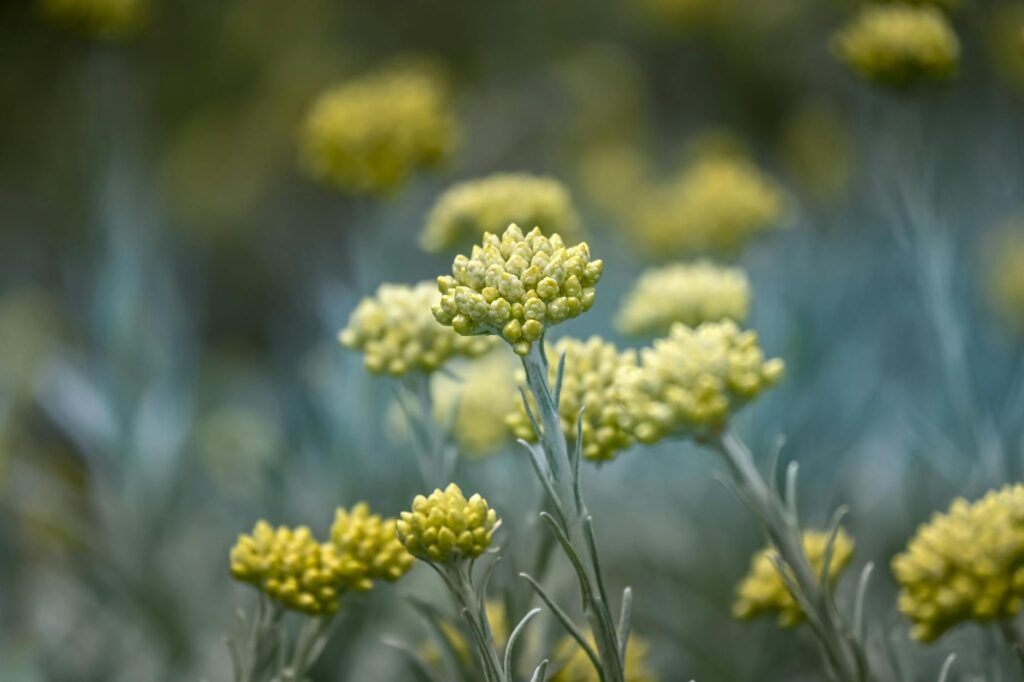
Helichrysum oil is extracted from the flowers of various species within the Helichrysum genus, a group of flowering plants belonging to the Asteraceae family. Often referred to as “everlasting” or “immortal” due to its ability to retain its color and shape even after being dried, helichrysum is indigenous to the Mediterranean region, particularly in countries such as Italy, France, and Croatia.
The extraction of helichrysum oil typically involves steam distillation, which preserves the delicate aromatic compounds found in the flowers. The resulting essential oil is characterized by its warm, herbaceous, and slightly sweet aroma, making it a favorite in aromatherapy practices and natural perfumery.
Key Benefits and Properties
Helichrysum oil is celebrated for its diverse range of properties that contribute to its popularity in holistic practices. Some of the key benefits include:
Anti-Inflammatory Properties
Helichrysum oil contains compounds that may help reduce inflammation in the body. This makes it a valuable addition to formulations aimed at soothing skin irritations and other inflammatory conditions.
Antioxidant Effects
Rich in antioxidants, helichrysum oil is thought to combat oxidative stress and protect cells from damage caused by free radicals. This property is often associated with anti-aging benefits in skincare formulations.
Skin Regeneration
One of the most notable applications of helichrysum oil is in promoting skin health. It is believed to support the regeneration of skin cells, making it useful for addressing scars, bruises, and other skin imperfections.
Emotional Balance
The aromatic components of helichrysum oil are thought to have a calming effect on the mind and body. Many practitioners of aromatherapy use it to promote emotional balance and alleviate feelings of stress and anxiety.
Common Uses
Helichrysum oil is versatile and can be used in various applications, including:
Skincare
Due to its skin-regenerating properties, helichrysum oil is commonly incorporated into skincare routines, particularly in serums, creams, and lotions targeting signs of aging, scarring, or irritation.
Hair Care
Some formulations include helichrysum oil to promote scalp health. Its anti-inflammatory and soothing properties may benefit individuals with sensitive or irritated scalps.
Massage
In massage therapy, helichrysum oil can be blended with carrier oils to enhance relaxation and provide relief from tension. Its soothing scent adds an aromatic element to the experience.
Natural Perfume
The warm, herbaceous aroma of helichrysum oil makes it a popular choice for natural perfumes. It can be used alone or blended with other essential oils to create unique aromatic profiles.
Aromatherapy Applications
In aromatherapy, helichrysum oil can be used in several ways:
Diffusion
Using a diffuser, helichrysum oil can be dispersed into the air, creating a calming atmosphere. This method is particularly effective for enhancing emotional well-being and reducing stress levels.
Inhalation
Direct inhalation of helichrysum oil can also provide immediate benefits. Placing a few drops on a tissue or cotton pad and inhaling deeply can help uplift the mood and promote relaxation.
Topical Application
When diluted with a carrier oil, helichrysum oil can be applied directly to the skin. This method is often used for localized treatment of skin issues or for therapeutic massage.
Bathing
Adding a few drops of helichrysum oil to bathwater allows for a soothing and aromatic experience. The warm water combined with the oil can enhance relaxation and relieve tension.
Safety Considerations
While helichrysum oil is generally considered safe for use, there are important safety considerations to keep in mind:
Skin Sensitivity
As with any essential oil, it is advisable to conduct a patch test before applying helichrysum oil to larger areas of the skin. Diluting the oil with a carrier oil is also recommended to minimize the risk of irritation.
Pregnancy and Nursing
Though helichrysum oil is often used in various applications, pregnant or nursing individuals should consult a healthcare professional before using essential oils to ensure safety.
Allergies
Individuals with known allergies to plants in the Asteraceae family should exercise caution when using helichrysum oil.
Children
When using helichrysum oil with children, it is essential to consult a qualified aromatherapist or healthcare provider to determine appropriate usage and dilution ratios.
Storage and Shelf Life
To maintain the integrity and potency of helichrysum oil, proper storage is crucial. Here are some guidelines to follow:
Storage Conditions
- Cool, Dark Place: Store helichrysum oil in a cool, dark environment, away from direct sunlight and heat sources. This helps prevent degradation of the oil over time.
- Tight Sealing: Ensure that the bottle is tightly sealed to avoid exposure to air, which can lead to oxidation.
Shelf Life
The shelf life of helichrysum oil can vary based on storage conditions and the quality of the oil. Generally, when stored properly, helichrysum oil can last for up to 3–5 years. Regularly check for any changes in aroma, color, or consistency, which may indicate that the oil has deteriorated.
Frequently Asked Questions
1. Can I use helichrysum oil directly on my skin?
It is recommended to dilute helichrysum oil with a carrier oil before applying it to the skin. This helps prevent irritation and enhances absorption.
2. What carrier oils pair well with helichrysum oil?
Common carrier oils that can be blended with helichrysum oil include jojoba oil, sweet almond oil, and coconut oil. These oils provide additional skin benefits and aid in dilution.
3. Is helichrysum oil safe for use during pregnancy?
Pregnant individuals should consult a qualified healthcare provider before using helichrysum oil or any essential oils to ensure safety.
4. How can I incorporate helichrysum oil into my daily routine?
Helichrysum oil can be used in various ways, including in skincare products, diffusers, baths, and massage oils. Incorporate it in a manner that aligns with your personal preferences and lifestyle.
5. What is the main chemical component of helichrysum oil?
Helichrysum oil contains several key compounds, including italidione, which is often cited for its anti-inflammatory and regenerative properties. The specific profile can vary depending on the species and extraction method.
Conclusion
Helichrysum oil is a unique and versatile essential oil, celebrated for its rich aromatic profile and diverse range of applications. From skincare to emotional well-being, its properties make it a valuable addition to both personal care routines and holistic practices. By understanding its benefits, uses, and safety considerations, you can confidently incorporate helichrysum oil into your lifestyle, enriching your experiences with its natural essence.