
Complete Guide to Helichrysum Oil Part 4
Introduction
Helichrysum oil, derived from the flowers of the Helichrysum italicum plant, has garnered considerable attention in the world of essential oils and aromatherapy. Known for its distinctive scent and potent properties, this oil has been utilized for centuries in various cultural practices. This guide aims to provide a comprehensive overview of Helichrysum oil, exploring its origins, benefits, uses, and safety considerations.
What Is Helichrysum Oil?
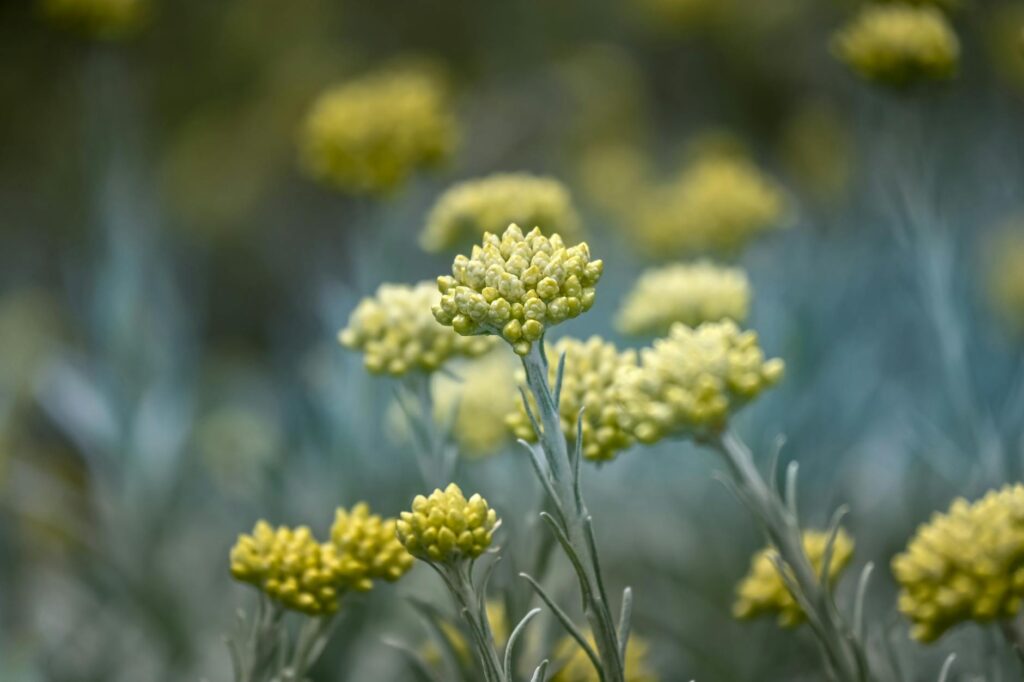
Helichrysum oil is extracted through steam distillation from the flowers of the Helichrysum italicum plant, which is native to the Mediterranean region. The plant is characterized by its vibrant yellow flowers and aromatic, herbaceous scent. Helichrysum is often referred to as “everlasting” or “immortelle,” due to its long-lasting blooms and the oil’s reputation for promoting skin health and longevity.
The oil contains a variety of chemical constituents, including flavonoids, terpenoids, and other compounds that contribute to its unique aroma and potential therapeutic properties. The primary active compounds found in Helichrysum oil include italidione, neryl acetate, and alpha-pinene.
Key Benefits and Properties
Helichrysum oil is celebrated for its wide range of potential benefits, making it a valuable addition to aromatherapy and holistic wellness practices. Some of the key properties include:
1. Anti-Inflammatory: Helichrysum oil is recognized for its anti-inflammatory properties, which may help alleviate discomfort associated with various conditions.
2. Antioxidant: The oil is rich in antioxidants that may combat oxidative stress and protect cells from damage.
3. Skin Regeneration: Helichrysum is often used in skincare formulations due to its potential to promote skin healing, reduce the appearance of scars, and improve overall skin texture.
4. Mood Enhancement: The aromatic profile of Helichrysum oil is believed to have mood-lifting effects, promoting emotional balance and relaxation.
5. Antimicrobial: Helichrysum oil has shown antimicrobial properties, making it a popular choice for natural cleaning products and personal care items.
Common Uses
Helichrysum oil has a variety of applications across different domains. Here are some common uses:
Skincare
Due to its skin-regenerative properties, Helichrysum oil is a favored ingredient in many skincare products. It is often included in formulations aimed at treating acne, reducing the appearance of scars, and promoting an even skin tone.
Hair Care
Helichrysum oil can be beneficial for the scalp, promoting a healthy environment for hair growth. It is often added to shampoos and conditioners for its soothing properties.
Massage Therapy
The oil is commonly utilized in massage therapy for its anti-inflammatory and pain-relieving effects. Blended with carrier oils, Helichrysum can enhance the overall experience of relaxation and wellness during a massage.
Household Cleaning
With its antimicrobial properties, Helichrysum oil can be included in homemade cleaning solutions, helping to disinfect surfaces while leaving a pleasant aroma.
Aromatherapy Applications
In the realm of aromatherapy, Helichrysum oil is valued for its calming and grounding effects. Below are some popular methods of using Helichrysum oil in aromatherapy:
Diffusion
Using an essential oil diffuser is one of the most popular methods to enjoy the benefits of Helichrysum oil. By adding a few drops to a diffuser with water, the aroma can fill a room, creating a soothing atmosphere.
Inhalation
For a more direct approach, inhaling the oil from the bottle or adding a few drops to a tissue can provide immediate aromatic benefits, helping to alleviate stress and enhance mood.
Topical Application
When diluted with a carrier oil, Helichrysum can be applied directly to the skin. This method is particularly effective for targeted applications, such as treating specific skin issues or sore muscles.
Bath Additive
Adding a few drops of Helichrysum oil to your bathwater can create a luxurious and aromatic experience, making it ideal for relaxation and stress relief.
Safety Considerations
While Helichrysum oil is generally considered safe for use, it is important to follow certain guidelines to minimize any risks:
1. Dilution: Always dilute Helichrysum oil with a carrier oil before applying it to the skin. A typical dilution ratio is 2-3% essential oil to carrier oil.
2. Patch Test: Conduct a patch test prior to widespread use, especially if you have sensitive skin. Apply a small amount of diluted oil to a discreet area and wait 24 hours to check for any adverse reactions.
3. Pregnancy and Nursing: Pregnant or nursing individuals should consult with a healthcare professional before using any essential oils, including Helichrysum.
4. Allergies: If you have known allergies to plants in the Asteraceae family, exercise caution, as Helichrysum may trigger similar reactions.
5. Storage: Store Helichrysum oil in a cool, dark place to maintain its potency and extend its shelf life.
Storage and Shelf Life
Helichrysum oil should be stored properly to ensure its longevity and efficacy. Here are some storage tips:
- Containers: Use dark glass bottles to protect the oil from light exposure. Avoid plastic containers, as they can leach chemicals into the oil over time.
- Temperature: Keep the oil in a cool place, ideally between 60-70°F (15-21°C). Avoid areas with high humidity or temperature fluctuations, such as bathrooms or near heating vents.
- Shelf Life: When stored correctly, Helichrysum oil typically has a shelf life of 2 to 3 years. However, it’s advisable to check for any changes in aroma or appearance before use.
Frequently Asked Questions
1. What is the origin of Helichrysum oil?
Helichrysum oil is derived from the Helichrysum italicum plant, which is native to the Mediterranean region. The oil has been used traditionally in various cultures for its aromatic and therapeutic properties.
2. Can Helichrysum oil be ingested?
While some essential oils can be ingested, it is crucial to consult a qualified aromatherapist or healthcare professional before considering oral consumption of Helichrysum oil.
3. Is Helichrysum oil suitable for all skin types?
Helichrysum oil is generally well-tolerated, but individual reactions may vary. It is recommended to perform a patch test prior to widespread use, especially for those with sensitive skin.
4. How can I incorporate Helichrysum oil into my skincare routine?
Helichrysum oil can be added to your existing skincare products or used in homemade formulations. It is typically diluted with a carrier oil before application to the skin.
5. Are there any contraindications for using Helichrysum oil?
Individuals with allergies to plants in the Asteraceae family should exercise caution. Pregnant or nursing individuals should consult a healthcare professional before use.
Conclusion
Helichrysum oil is a versatile and valuable essential oil with a rich history and a multitude of applications. From its skincare benefits to its calming aromatic properties, it serves as an essential component in both wellness and self-care routines. As with any essential oil, proper usage and safety considerations are paramount to enjoying its full range of benefits. Whether you are a seasoned aromatherapy enthusiast or a newcomer to essential oils, Helichrysum oil can enrich your holistic practice.