
Complete Guide to Helichrysum Oil Part 5
Introduction
Helichrysum oil, derived from the Helichrysum italicum plant, is celebrated in the world of aromatherapy and holistic practices for its diverse range of benefits and applications. Known for its distinct aroma and therapeutic properties, this essential oil has garnered attention not only for its historical significance but also for its modern-day uses in wellness and beauty. This article delves into the various aspects of Helichrysum oil, providing readers with a comprehensive understanding of its features, benefits, and practical applications.
What Is Helichrysum Oil?
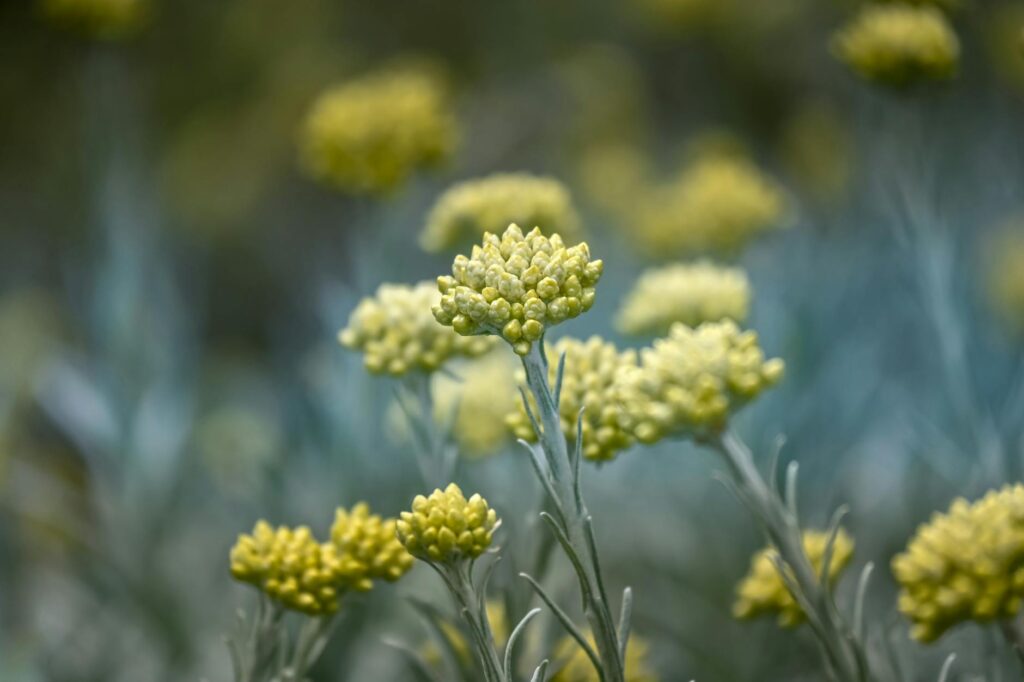
Helichrysum oil is extracted from the flowers of the Helichrysum italicum plant, commonly known as the everlasting flower or immortelle. This perennial herb is native to the Mediterranean region, where it thrives in rocky, dry soils. The extraction process typically involves steam distillation, which captures the plant’s volatile compounds, resulting in a potent essential oil with a golden-yellow hue.
Helichrysum oil is characterized by its rich, earthy scent with floral undertones. Its unique composition includes a variety of chemical constituents, such as monoterpenes, sesquiterpenes, and esters, which contribute to its therapeutic properties and aromatic profile.
Key Benefits and Properties
Helichrysum oil is revered for its multifaceted benefits, making it a staple in both aromatherapy and skincare. Some of the key properties of this essential oil include:
- Anti-inflammatory: Helichrysum oil is known for its ability to reduce inflammation, which can be beneficial for various skin conditions and general discomfort.
- Antioxidant: The oil contains compounds that help neutralize free radicals, potentially protecting the skin and body from oxidative stress.
- Antimicrobial: Helichrysum oil exhibits antimicrobial properties, which can aid in preventing infections and promoting skin health.
- Healing: This oil is often associated with wound healing and skin rejuvenation, making it popular in natural skincare formulations.
- Mood enhancement: The aroma of Helichrysum oil is believed to promote emotional balance and relaxation, contributing to its use in aromatherapy practices.
- Scars and blemishes: Its regenerative qualities may help reduce the appearance of scars and promote an even skin tone.
- Aging skin: Helichrysum oil is often included in anti-aging formulations for its rejuvenating effects.
- Acne: The oil’s antimicrobial properties can help manage acne and prevent breakouts.
- Dilution: Always dilute Helichrysum oil with a carrier oil before applying it to the skin to minimize the risk of irritation.
- Patch Test: Conducting a patch test on a small area of skin is advisable to check for any allergic reactions or sensitivities before widespread use.
- Pregnancy and Nursing: Pregnant or nursing individuals should consult with a qualified professional before using essential oils.
- Children: Special care should be taken when using essential oils around children. It is recommended to consult a healthcare provider for guidance on safe use.
- Keep it Cool: Store the oil in a cool, dark place away from direct sunlight and heat sources.
- Use Dark Glass Containers: Amber or cobalt glass bottles are recommended to protect the oil from light degradation.
- Seal Tightly: Ensure that the bottle is tightly sealed to prevent oxidation and evaporation.
Common Uses
Helichrysum oil has a variety of applications that extend beyond its aromatic qualities. Some of the most common uses include:
Skincare
Due to its healing and anti-inflammatory properties, Helichrysum oil is frequently incorporated into skincare products. It can be beneficial for:
Aromatherapy
In aromatherapy, Helichrysum oil is used to create a calming and soothing atmosphere. Its uplifting scent can be diffused or inhaled to help alleviate stress and promote relaxation.
Massage
Helichrysum oil can be blended with carrier oils for use in massages. Its anti-inflammatory properties may enhance the massage experience by promoting relaxation and reducing muscle tension.
Aromatherapy Applications
In the realm of aromatherapy, Helichrysum oil serves as a versatile essential oil that can be utilized in various ways:
Diffusion
Using a diffuser, Helichrysum oil can be dispersed into the air, creating an aromatic environment that encourages relaxation and emotional well-being. It can be blended with other essential oils such as lavender or bergamot to enhance its calming effects.
Inhalation
For a more direct approach, inhaling Helichrysum oil from the bottle or applying a drop to a tissue can provide immediate benefits. This method can be particularly helpful during stressful moments or when seeking emotional clarity.
Bath
Adding a few drops of Helichrysum oil to a warm bath can create a soothing experience, allowing the user to unwind and enjoy the oil’s aromatic properties.
Topical Application
When diluted with a carrier oil, Helichrysum oil can be applied to the skin for localized benefits. This method is commonly used for skincare applications, particularly for targeting specific concerns like scars or inflammation.
Safety Considerations
While Helichrysum oil is generally considered safe for use, it is essential to observe certain precautions to ensure a positive experience:
Storage and Shelf Life
Proper storage of Helichrysum oil is crucial for maintaining its potency and effectiveness. Here are some tips for optimal storage:
The shelf life of Helichrysum oil can vary, but when stored correctly, it generally lasts for about 2-3 years. Regularly check for any changes in aroma, color, or consistency, which may indicate that the oil has degraded.
Frequently Asked Questions
1. Can Helichrysum oil be ingested?
Ingesting essential oils is a controversial topic, and while some practitioners advocate for certain oils to be taken internally, it is vital to consult with a healthcare professional before considering this practice.
2. Is Helichrysum oil safe for sensitive skin?
Due to its gentle properties, Helichrysum oil is often well-tolerated by sensitive skin. However, it is still essential to dilute it with a carrier oil and perform a patch test before applying it to larger areas.
3. How can I incorporate Helichrysum oil into my skincare routine?
Helichrysum oil can be added to facial oils, creams, or serums. A few drops can also be mixed into a carrier oil for application on areas of concern, such as scars or signs of aging.
4. Are there any contraindications for using Helichrysum oil?
While generally safe for most individuals, those with specific allergies or sensitivities should exercise caution. It’s always advisable to consult with a healthcare provider if you have concerns about using essential oils in your routine.
5. Can Helichrysum oil be blended with other essential oils?
Yes, Helichrysum oil blends well with various essential oils, including lavender, chamomile, and cedarwood. Experimenting with different combinations can enhance its effects and create unique aromatic experiences.
Conclusion
Helichrysum oil stands out as a remarkable essential oil with a rich history and a wide array of applications. From its therapeutic properties to its versatility in skincare and aromatherapy, Helichrysum oil continues to be a valuable addition to holistic wellness practices. By understanding its benefits, uses, and safety considerations, individuals can harness the power of this exceptional oil to enhance their well-being and beauty routines.