
Complete Guide to Helichrysum Oil Part 6
Introduction
Helichrysum oil, derived from the Helichrysum plant, has garnered attention for its diverse applications in aromatherapy and holistic practices. This guide aims to provide a comprehensive overview of helichrysum oil, including its properties, benefits, common uses, and safety considerations. By understanding this essential oil’s unique characteristics, users can make informed decisions about its application in their wellness routines.
What Is Helichrysum Oil?
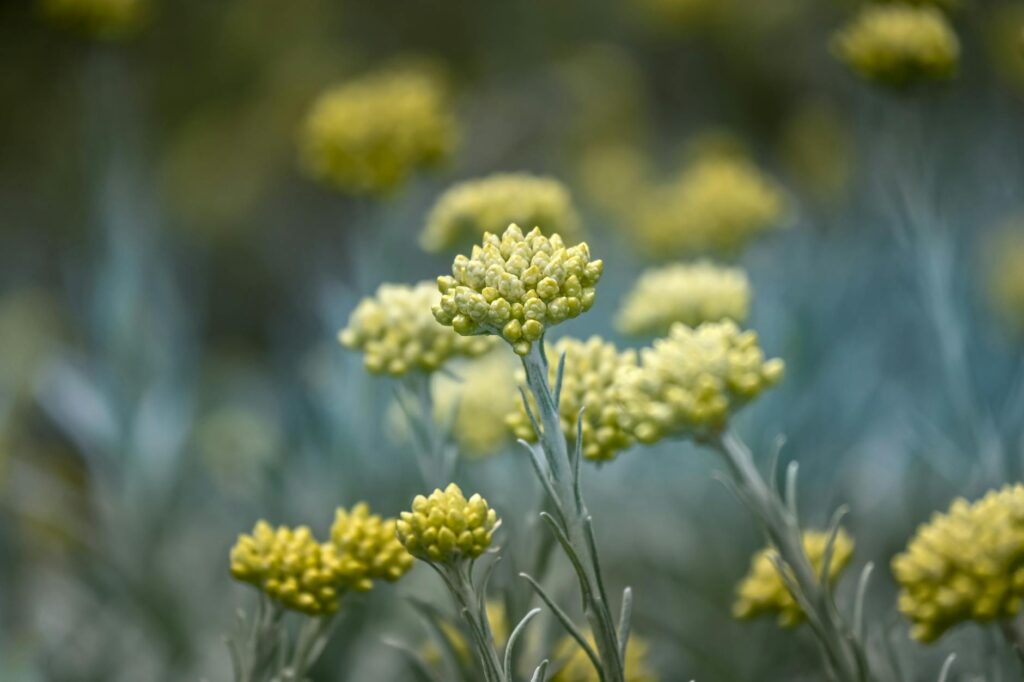
Helichrysum oil is extracted from the flowers of the Helichrysum italicum plant, commonly known as everlasting or immortelle. This perennial herb is native to the Mediterranean region, thriving in rocky and dry soil. The oil is obtained through steam distillation, capturing the plant’s aromatic compounds.
The distinctive golden-yellow color of helichrysum oil is indicative of its high concentration of active constituents, including flavonoids, sesquiterpenes, and coumarins. These components contribute to the oil’s unique aroma and therapeutic properties, making it a valuable addition to the world of aromatherapy.
Key Benefits and Properties
Helichrysum oil is renowned for its myriad of potential benefits, which can vary depending on its application. Some of the key properties associated with helichrysum oil include:
1. Anti-Inflammatory: The oil is considered to have anti-inflammatory properties, which may help soothe irritated skin and reduce swelling.
2. Antioxidant: Rich in antioxidants, helichrysum oil may combat oxidative stress, promoting overall skin health and protecting cells from damage.
3. Antimicrobial: Some studies suggest that helichrysum oil exhibits antimicrobial properties, potentially helping to inhibit the growth of certain bacteria and fungi.
4. Skin Regeneration: Helichrysum oil is often praised for its ability to support skin regeneration, making it a popular choice in skincare formulations aimed at promoting healing.
5. Emotional Balance: The oil’s soothing aroma is believed to promote emotional well-being, helping to alleviate stress and anxiety.
Common Uses
The versatility of helichrysum oil allows it to be utilized in various applications, including:
1. Skincare: Due to its regenerative properties, helichrysum oil is commonly used in creams, serums, and lotions aimed at promoting healthy skin. It may benefit conditions such as scars, stretch marks, and uneven skin tone.
2. Massage Therapy: When diluted with a carrier oil, helichrysum oil can be incorporated into massage blends to enhance relaxation and soothe sore muscles.
3. Aromatherapy Blends: The oil’s warm, herbaceous scent makes it a popular choice for diffusers, helping to create a calming atmosphere in homes and wellness spaces.
4. Household Cleaning: Due to its antimicrobial properties, helichrysum oil can be added to natural cleaning products to enhance their effectiveness.
5. Fragrance: The unique aroma of helichrysum oil lends itself to use in perfumes and personal care products, offering a natural alternative to synthetic fragrances.
Aromatherapy Applications
In aromatherapy, helichrysum oil can be employed in various methods to harness its potential benefits:
1. Diffusion: Adding a few drops of helichrysum oil to a diffuser can disperse the oil’s aroma throughout a room, creating a calming environment conducive to relaxation or meditation.
2. Inhalation: Inhaling the oil directly from the bottle or by placing a drop on a cotton ball can provide immediate emotional support and mental clarity.
3. Topical Application: When diluted with a carrier oil, helichrysum oil can be applied to areas of concern on the skin. It is important to perform a patch test beforehand to ensure compatibility.
4. Baths: Adding helichrysum oil to a warm bath can enhance the experience, promoting relaxation and easing muscle tension.
5. Massage: Incorporating helichrysum oil into massage blends can enhance the therapeutic effects of the massage, particularly for sore or tense muscles.
Safety Considerations
While helichrysum oil is generally considered safe for use, there are several important safety considerations:
1. Dilution: Essential oils are highly concentrated and should be diluted with a carrier oil before topical application to reduce the risk of skin irritation.
2. Patch Test: Before using helichrysum oil, especially on sensitive skin, it is advisable to conduct a patch test to check for any adverse reactions.
3. Pregnancy and Nursing: Pregnant or nursing individuals should consult with a healthcare professional before using helichrysum oil or any essential oils.
4. Allergic Reactions: Those with allergies to plants in the Asteraceae family should exercise caution, as they may be more prone to allergic reactions.
5. Interaction with Medications: Individuals taking medications, particularly anticoagulants, should consult with a qualified healthcare provider before using helichrysum oil, as it may interact with certain medications.
Storage and Shelf Life
Proper storage of helichrysum oil is essential to maintain its quality and efficacy:
1. Container: Store helichrysum oil in a dark glass bottle to protect it from light and prevent oxidation. Avoid plastic containers, as essential oils can degrade plastic.
2. Temperature: Keep the oil in a cool, dry place, away from direct sunlight and heat sources. Excessive heat can degrade the oil’s quality.
3. Shelf Life: When stored correctly, helichrysum oil typically has a shelf life of 2 to 3 years. However, it’s important to check for any changes in color, scent, or viscosity, which may indicate that the oil has expired.
Frequently Asked Questions
1. What is the origin of helichrysum oil?
Helichrysum oil is derived from the Helichrysum italicum plant, which is native to the Mediterranean region.
2. Can helichrysum oil be used for skin conditions?
Many people use helichrysum oil in skincare formulations due to its potential to support skin regeneration and promote healing.
3. How is helichrysum oil typically used in aromatherapy?
Helichrysum oil can be used in diffusers, inhalation, topical applications, baths, and massage blends to promote relaxation and emotional balance.
4. Is helichrysum oil safe for children?
It is advisable to consult with a healthcare provider before using helichrysum oil on children, as their skin may be more sensitive to essential oils.
5. What are the best carrier oils to mix with helichrysum oil?
Common carrier oils include jojoba oil, sweet almond oil, and coconut oil. These oils can help dilute helichrysum oil for topical application.
6. Can helichrysum oil be ingested?
Ingesting essential oils is not recommended unless under the guidance of a qualified healthcare professional. It is essential to use essential oils safely and appropriately.
Conclusion
Helichrysum oil is a remarkable essential oil with a rich history and a wide range of applications in aromatherapy and holistic practices. Its unique properties and benefits make it a valuable addition to any essential oil collection. By understanding how to use helichrysum oil safely and effectively, individuals can enhance their wellness routines and harness the potential of this extraordinary oil.