
Complete Guide to Helichrysum Oil Part 6
Introduction
Helichrysum oil, derived from the flowers of the Helichrysum italicum plant, has garnered attention in aromatherapy and natural wellness circles for its diverse range of applications and benefits. Known for its distinctive aroma and vibrant yellow flowers, Helichrysum oil is often referred to as “everlasting” or “immortal,” reflecting its longevity and resilience. This guide aims to provide a comprehensive overview of Helichrysum oil, exploring its properties, uses, and safety considerations.
What Is Helichrysum Oil?
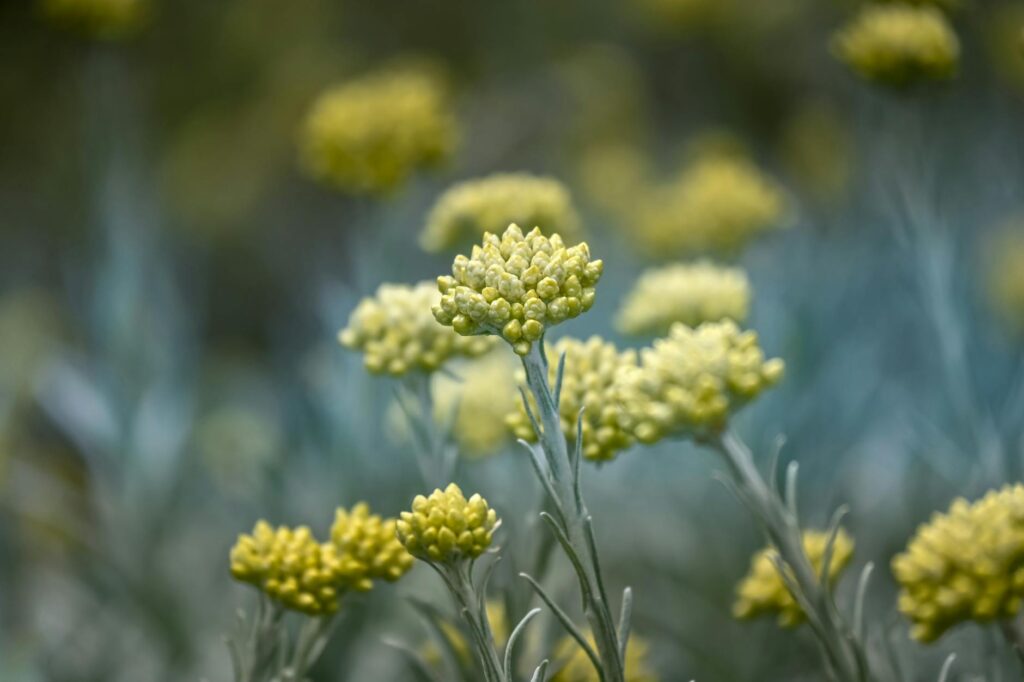
Helichrysum oil is an essential oil extracted through steam distillation from the flowering tops of the Helichrysum italicum plant, which is native to the Mediterranean region. The plant is characterized by its small, yellow, daisy-like flowers, which are known for their ability to retain color and shape even after drying. This property has contributed to the plant’s common names, such as “everlasting” and “immortal.”
The chemical composition of Helichrysum oil is complex, containing various compounds such as italidiones, flavonoids, and monoterpenes. These constituents contribute to its unique aroma, which is often described as earthy, floral, and honey-like. The oil’s rich chemical profile makes it a valuable addition to both aromatherapy and natural skincare formulations.
Key Benefits and Properties
Helichrysum oil is celebrated for its numerous beneficial properties, which include:
1. Anti-Inflammatory: Helichrysum oil is known for its soothing properties, making it popular for reducing inflammation and irritation in the skin.
2. Antioxidant: The oil contains various antioxidants that help protect cells from oxidative stress, promoting overall skin health.
3. Antimicrobial: Research suggests that Helichrysum oil has antimicrobial properties, making it useful in addressing minor skin issues.
4. Skin Regeneration: Helichrysum oil is often included in formulations aimed at promoting skin regeneration and healing, attributed to its ability to support the skin’s natural processes.
5. Emotional Balance: The calming aroma of Helichrysum oil is believed to promote emotional well-being, reducing feelings of stress and anxiety.
Common Uses
Helichrysum oil has a wide array of applications across various domains, including:
- Skincare: Often used in creams, serums, and lotions, Helichrysum oil is favored for its ability to promote skin healing, reduce the appearance of scars, and improve skin texture.
- Massage: When diluted with a carrier oil, Helichrysum oil can be used in massage therapy to alleviate muscle tension and reduce inflammation.
- Hair Care: Its nourishing properties make Helichrysum oil a popular ingredient in hair care products, aimed at promoting scalp health and enhancing hair vitality.
- Environmental Use: The oil can also be used in diffusers and personal inhalers to create a calming atmosphere, making it a valuable addition to wellness routines.
- Container: Store Helichrysum oil in a dark glass bottle to protect it from light and degradation.
- Temperature: Keep the oil in a cool, dry place, away from direct sunlight and heat sources, to prevent evaporation and oxidation.
- Shelf Life: When stored correctly, Helichrysum oil can last for 2 to 3 years. Always check for changes in aroma, color, or consistency, which may indicate that the oil is no longer suitable for use.
Aromatherapy Applications
In aromatherapy, Helichrysum oil is utilized for its unique aromatic profile and therapeutic benefits. Here are several ways to incorporate it into aromatherapy practices:
Diffusion
Adding a few drops of Helichrysum oil to a diffuser can fill a space with its soothing aroma, promoting relaxation and emotional balance. It can be blended with other essential oils such as lavender or bergamot for a calming experience.
Inhalation
For quick stress relief, inhaling Helichrysum oil directly from the bottle or from a personal inhaler can help ground and center emotions.
Topical Application
When diluted with a carrier oil, Helichrysum oil can be applied to pulse points, such as wrists or behind the ears, to experience its calming effects throughout the day.
Bathing
Incorporating Helichrysum oil into a bath can enhance relaxation. It can be mixed with Epsom salts or added to a carrier oil before being dispersed in bathwater to ensure even distribution.
Safety Considerations
While Helichrysum oil is generally considered safe for use, certain precautions should be taken:
1. Dilution: Always dilute essential oils before applying them to the skin to prevent irritation. A typical dilution ratio is 1-2 drops of essential oil per teaspoon of carrier oil.
2. Patch Test: Conduct a patch test on a small area of skin to check for any allergic reactions or sensitivities before broader application.
3. Pregnancy and Nursing: Pregnant and nursing women should consult a healthcare professional before using any essential oils, including Helichrysum oil.
4. Photosensitivity: Although Helichrysum oil is not known for causing photosensitivity, it is advisable to avoid direct sunlight after topical application of any essential oil to the skin.
5. Consultation: If you are taking medications or have existing health conditions, consult with a qualified practitioner before using essential oils.
Storage and Shelf Life
Proper storage is essential for maintaining the quality and potency of Helichrysum oil. Here are some tips for optimal storage:
Frequently Asked Questions
1. Can Helichrysum oil be ingested?
Helichrysum oil is primarily used for topical and aromatic applications. Ingestion should only be done under the guidance of a qualified healthcare professional.
2. Is Helichrysum oil safe for children?
While some essential oils are safe for children, it is best to use Helichrysum oil with caution and consult a healthcare professional for appropriate dilution and age considerations.
3. How can I incorporate Helichrysum oil into my skincare routine?
Helichrysum oil can be added to your favorite skincare products, such as creams or serums, or diluted with a carrier oil for direct application to targeted areas on the skin.
4. What other oils blend well with Helichrysum oil?
Helichrysum oil pairs well with other essential oils, including lavender, frankincense, sandalwood, and bergamot, creating harmonious blends for both aromatic and topical applications.
5. Is Helichrysum oil suitable for all skin types?
Helichrysum oil is generally well-tolerated by most skin types. However, it is advisable to perform a patch test to ensure compatibility and avoid potential allergic reactions.
Conclusion
Helichrysum oil is a multifaceted essential oil that offers a wealth of benefits and applications. From its unique aroma to its impressive properties, it has become a staple in both aromatherapy and natural skincare. By understanding its uses, safety considerations, and storage tips, individuals can effectively incorporate Helichrysum oil into their wellness routines. Always remember to approach essential oil use with respect and caution, ensuring a safe and enjoyable experience.