
Complete Guide to Helichrysum Oil Part 7
Introduction
Helichrysum oil, often referred to as “everlasting” or “immortelle,” has gained recognition in the realms of aromatherapy and natural wellness. Derived from the flowers of the Helichrysum italicum plant, native to the Mediterranean region, this essential oil is celebrated for its diverse applications and therapeutic properties. This article delves into the various aspects of Helichrysum oil, providing a comprehensive guide for those interested in its uses, benefits, and safe practices.
What Is Helichrysum Oil?
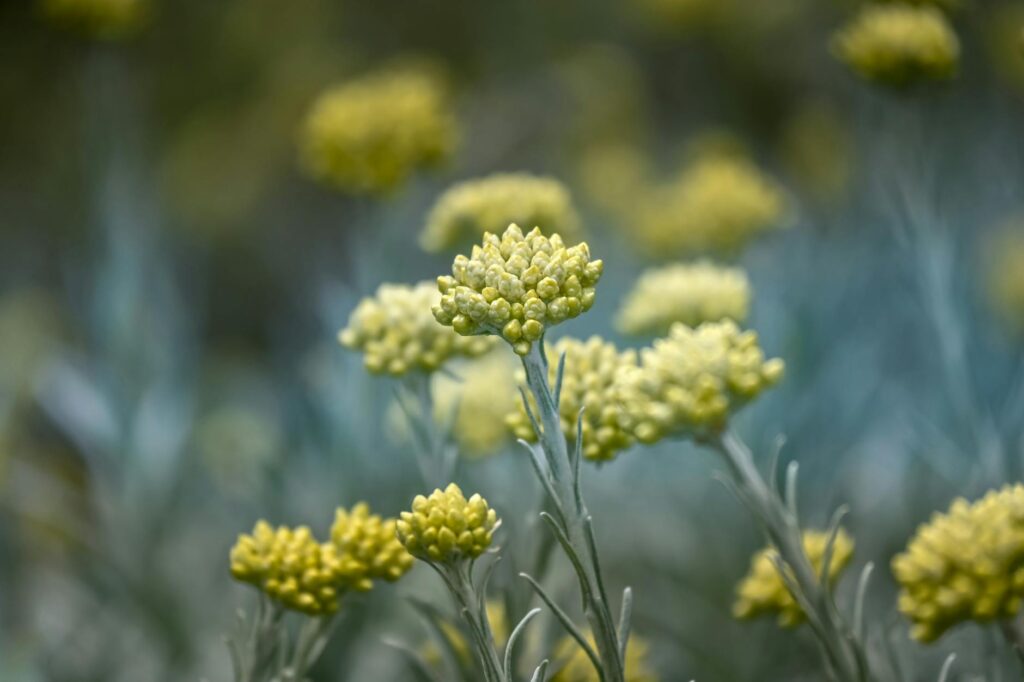
Helichrysum oil is extracted through steam distillation from the flowers of the Helichrysum italicum plant. This perennial herb is characterized by its bright yellow, daisy-like flowers, which retain their color even when dried, hence the name “everlasting.” The oil is known for its complex chemical composition, featuring compounds such as italidione, alpha-pinene, and gamma-curcumene. These constituents contribute to its distinctive aroma and therapeutic properties.
The essential oil’s rich history dates back to ancient civilizations, where it was utilized for its aromatic qualities and believed to offer protective benefits. Today, it is prized not only for its scent but also for its versatility in various applications.
Key Benefits and Properties
Helichrysum oil is renowned for its array of potential benefits, which can be attributed to its specific chemical constituents. Some key properties include:
- Anti-inflammatory: Helichrysum oil may help soothe inflamed skin and muscles, making it a popular choice in massage blends.
- Antioxidant: The oil’s antioxidant properties can assist in combating oxidative stress, potentially promoting skin health and overall well-being.
- Antimicrobial: Helichrysum has demonstrated antimicrobial properties, which may help in preventing infections and supporting skin integrity.
- Regenerative: Known for its skin-rejuvenating qualities, Helichrysum oil is often included in formulations aimed at reducing the appearance of scars and fine lines.
- Skincare: Due to its regenerative properties, Helichrysum oil is commonly found in serums, creams, and lotions. It is particularly beneficial for mature or damaged skin.
- Massage: Its anti-inflammatory qualities make it a popular choice in massage oils, where it may help alleviate muscle tension and discomfort.
- Haircare: Helichrysum oil can be added to shampoos and conditioners to promote scalp health and enhance hair vitality.
- Emotional Balance: The oil’s calming aroma is often used in diffusers or inhalers to promote relaxation and emotional well-being.
- Diffusion: Adding a few drops of Helichrysum oil to a diffuser can create a calming atmosphere, aiding in relaxation and stress relief.
- Inhalation: Direct inhalation from the bottle or a personal inhaler can provide immediate emotional support and clarity.
- Topical Application: When diluted with a carrier oil, Helichrysum can be applied to specific areas of the body to address localized issues, such as skin irritations or muscle discomfort.
- Dilution: Always dilute Helichrysum oil with a carrier oil (such as jojoba, sweet almond, or coconut oil) before applying it to the skin to reduce the risk of irritation.
- Patch Test: Conduct a patch test prior to widespread use, especially for individuals with sensitive skin. Apply a small diluted amount to a discreet area and monitor for any adverse reactions.
- Pregnancy and Nursing: Pregnant or nursing individuals should consult a healthcare professional before using essential oils, including Helichrysum oil.
- Children: Use caution when applying essential oils to children. It is advisable to consult a qualified aromatherapist or healthcare provider for guidance on appropriate use.
- Container: Store Helichrysum oil in a dark glass bottle to protect it from light exposure, which can degrade its constituents.
- Temperature: Keep the oil in a cool, dry place, away from direct sunlight and heat sources. High temperatures can alter the oil’s chemical structure.
- Shelf Life: When stored correctly, Helichrysum oil typically has a shelf life of 2 to 3 years. However, always check for changes in aroma, viscosity, or color before use, as these may indicate degradation.
These properties make Helichrysum oil a valuable addition to various wellness routines, though it is essential to remember that individual results may vary.
Common Uses
Helichrysum oil is utilized in a range of applications, including:
Aromatherapy Applications
In aromatherapy, Helichrysum oil is valued for its unique scent and therapeutic properties. It is frequently used in the following ways:
When using Helichrysum oil for aromatherapy, consider blending it with complementary essential oils such as lavender, frankincense, or bergamot for enhanced effects and a more complex aroma.
Safety Considerations
While Helichrysum oil is generally regarded as safe for most individuals, it is essential to exercise caution:
Storage and Shelf Life
Proper storage of Helichrysum oil is crucial to maintaining its quality and potency:
Frequently Asked Questions
1. How is Helichrysum oil different from other essential oils?
Helichrysum oil is unique due to its distinct chemical composition and therapeutic properties. While many essential oils have anti-inflammatory or antimicrobial effects, Helichrysum is particularly noted for its skin-regenerative qualities and complex aromatic profile.
2. Can I use Helichrysum oil for emotional support?
Yes, many individuals find Helichrysum oil to be beneficial for emotional balance. Its calming aroma can promote relaxation and clarity, making it a popular choice in aromatherapy practices aimed at emotional well-being.
3. Is Helichrysum oil safe for all skin types?
While Helichrysum oil is generally well-tolerated, individuals with sensitive skin should perform a patch test before widespread application. Diluting the oil with a carrier oil is also recommended to minimize the risk of irritation.
4. What are some good blends to use with Helichrysum oil?
Helichrysum oil pairs well with various essential oils, including lavender, frankincense, geranium, and citrus oils such as bergamot and lemon. These combinations can enhance the overall therapeutic effects and create a harmonious aromatic experience.
5. Where can I purchase high-quality Helichrysum oil?
To ensure you are obtaining high-quality Helichrysum oil, purchase from reputable suppliers who provide third-party testing results and clear information about sourcing and distillation processes. Look for oils that are labeled as 100% pure and free from synthetic additives.
Conclusion
Helichrysum oil is a multifaceted essential oil with a rich history and a broad range of applications. From skincare to emotional support, its benefits are celebrated in various wellness practices. By understanding its properties, uses, and safety considerations, individuals can effectively incorporate Helichrysum oil into their routines, harnessing its potential to enhance well-being and promote a sense of vitality.