
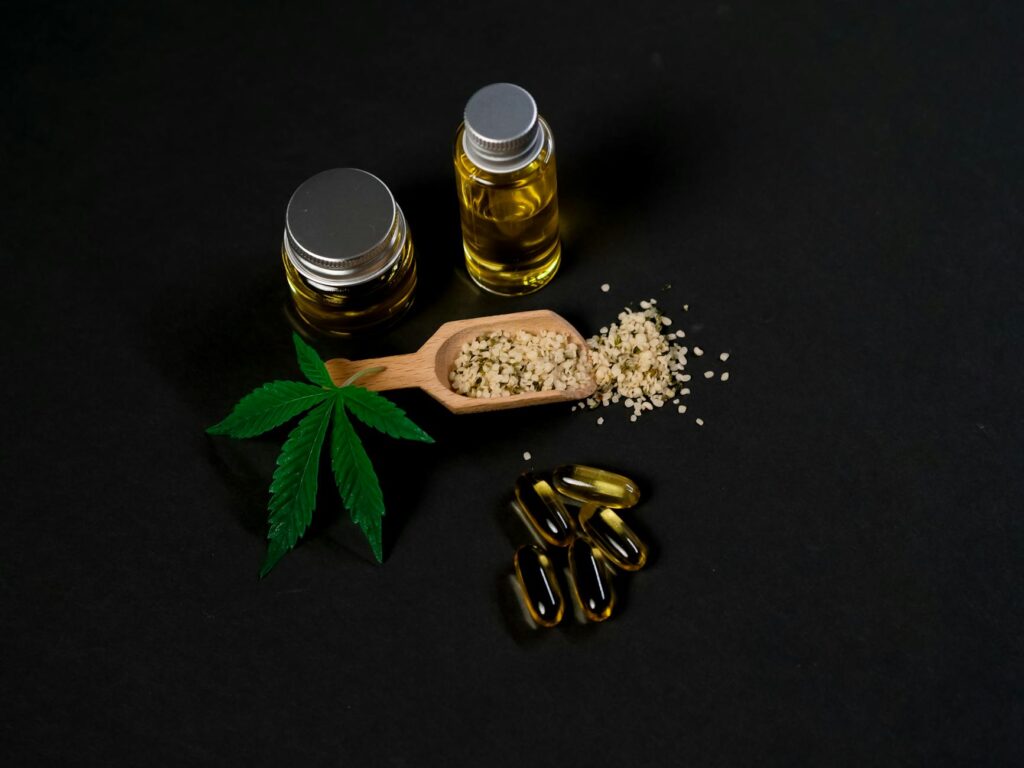
Complete Guide to Hemp Seed Oil Part 1
Introduction
Hemp seed oil, derived from the seeds of the hemp plant (Cannabis sativa), has garnered significant attention in recent years due to its versatile applications and potential benefits. Unlike other products derived from the hemp plant, such as cannabidiol (CBD) oil, hemp seed oil does not contain significant amounts of cannabinoids. Instead, it is rich in essential fatty acids, vitamins, and minerals, making it a popular choice for culinary, cosmetic, and therapeutic uses. This guide aims to provide an in-depth understanding of hemp seed oil, its properties, benefits, and applications.
What Is Hemp Seed Oil?
Hemp seed oil is extracted from the seeds of the hemp plant, which is part of the Cannabis sativa species. The extraction process typically involves cold pressing, which preserves the oil’s nutritional integrity. The resulting oil has a dark green color and a nutty flavor, making it a popular addition in various culinary dishes.
Hemp seeds are considered a superfood due to their high nutritional value. They contain a balanced ratio of omega-3 and omega-6 fatty acids, along with protein, fiber, and essential vitamins such as vitamin E and several B vitamins. Notably, hemp seed oil is devoid of tetrahydrocannabinol (THC), the psychoactive compound commonly associated with marijuana.
Key Benefits and Properties
Hemp seed oil is celebrated for its various beneficial properties, making it a valuable addition to both diet and skincare routines.
Nutritional Benefits
1. Essential Fatty Acids: Hemp seed oil is rich in omega-3 and omega-6 fatty acids, which are crucial for heart health and overall well-being. The oil has an ideal ratio of these fatty acids, contributing to its reputation as a nutritious oil.
2. Vitamins and Minerals: This oil contains significant amounts of vitamin E, which acts as an antioxidant, protecting the body’s cells from damage. It also provides essential minerals such as magnesium, potassium, and zinc.
3. Protein Source: Hemp seeds are a complete protein source, containing all nine essential amino acids. This makes hemp seed oil an excellent dietary supplement, particularly for vegetarians and vegans.
Skin Benefits
1. Moisturizing Properties: Hemp seed oil is an effective moisturizer for skin types ranging from dry to oily. It helps to balance oil production and hydrates the skin without clogging pores.
2. Anti-Inflammatory Effects: The omega fatty acids in hemp seed oil possess anti-inflammatory properties, making it beneficial for conditions such as eczema and psoriasis.
3. Anti-Aging: The oil’s high antioxidant content helps to combat oxidative stress, which can contribute to premature aging.
Common Uses
Hemp seed oil has a wide range of applications across various fields, including:
Culinary Uses
1. Cooking Oil: Due to its nutty flavor and high smoke point, hemp seed oil is often used in salad dressings, dips, and marinades. It is best used in cold dishes or added to cooked foods after preparation to preserve its nutritional properties.
2. Baking: Hemp seed oil can be used in baking recipes, providing a unique flavor and nutritional boost.
3. Superfood Supplements: The oil is often incorporated into smoothies or protein shakes for added nutrition.
Cosmetic Uses
1. Skincare Products: Hemp seed oil is a common ingredient in lotions, creams, and serums due to its moisturizing and nourishing properties.
2. Hair Care: It can be used in shampoos and conditioners to promote healthy hair and scalp.
3. Massage Oil: Due to its smooth texture and absorbent nature, hemp seed oil is often used as a base for massage oils.
Aromatherapy Applications
While hemp seed oil is not typically used as an essential oil in aromatherapy, it can serve as a carrier oil for diluting essential oils. Carrier oils help to blend essential oils and facilitate their application on the skin while providing additional benefits.
Blending with Essential Oils
When used in aromatherapy, hemp seed oil can enhance the therapeutic properties of essential oils. Its mild, nutty scent does not overpower the fragrance of essential oils, allowing for a harmonious blend. Common essential oils to mix with hemp seed oil include:
- Lavender: Known for its calming effects, lavender essential oil blends well with hemp seed oil for relaxation and stress relief.
- Tea Tree: This essential oil has antiseptic properties, making it a beneficial combination for skin care.
- Peppermint: The invigorating scent of peppermint can provide a refreshing contrast to the nutty aroma of hemp seed oil.
Safety Considerations
While hemp seed oil is generally considered safe for use, there are some important safety considerations to keep in mind:
1. Allergic Reactions: Individuals with allergies to hemp or other seeds should exercise caution when using hemp seed oil. Conducting a patch test on a small area of skin can help identify any potential reactions.
2. Quality and Purity: Always choose high-quality, cold-pressed hemp seed oil from reputable sources to ensure purity and avoid potential contaminants.
3. Consultation: It is advisable to consult with a healthcare professional before incorporating hemp seed oil into your diet or skincare routine, especially for individuals with specific health conditions.
Storage and Shelf Life
To maintain the quality and potency of hemp seed oil, proper storage is essential:
1. Cool, Dark Place: Store hemp seed oil in a cool, dark place, away from direct sunlight and heat sources. A pantry or refrigerator is ideal for prolonging shelf life.
2. Seal Tightly: Ensure that the container is tightly sealed to prevent oxidation and maintain freshness.
3. Shelf Life: When stored correctly, hemp seed oil typically has a shelf life of about 6 to 12 months. It is advisable to check for any off smells or changes in color before use.
Frequently Asked Questions
Is hemp seed oil the same as CBD oil?
No, hemp seed oil and CBD oil are different. Hemp seed oil is extracted from the seeds of the hemp plant and contains minimal amounts of cannabinoids, while CBD oil is derived from the flowers, leaves, and stalks of the hemp plant and contains higher concentrations of cannabidiol.
Can hemp seed oil cause psychoactive effects?
No, hemp seed oil does not contain significant levels of THC, the psychoactive compound found in marijuana, and therefore does not cause any psychoactive effects.
How can I incorporate hemp seed oil into my diet?
Hemp seed oil can be added to salads, smoothies, and baked goods. It is best used in cold dishes or added to cooked foods after preparation to preserve its nutritional properties.
Is hemp seed oil suitable for all skin types?
Hemp seed oil is generally suitable for all skin types, including sensitive and oily skin. Its moisturizing properties help balance oil production and hydrate the skin without clogging pores.
Where can I purchase hemp seed oil?
Hemp seed oil can be found in health food stores, specialty grocery stores, and online retailers. It is important to choose high-quality, cold-pressed oil from reputable sources.
—
In this first part of the complete guide to hemp seed oil, we have explored its definition, benefits, common uses, and safety considerations. As we delve deeper into this topic in subsequent articles, readers will gain further insights into how to effectively incorporate hemp seed oil into their daily routines, enhancing both nutritional intake and skincare practices. Stay tuned for Part 2, where we will explore more specialized applications and research findings related to hemp seed oil.