
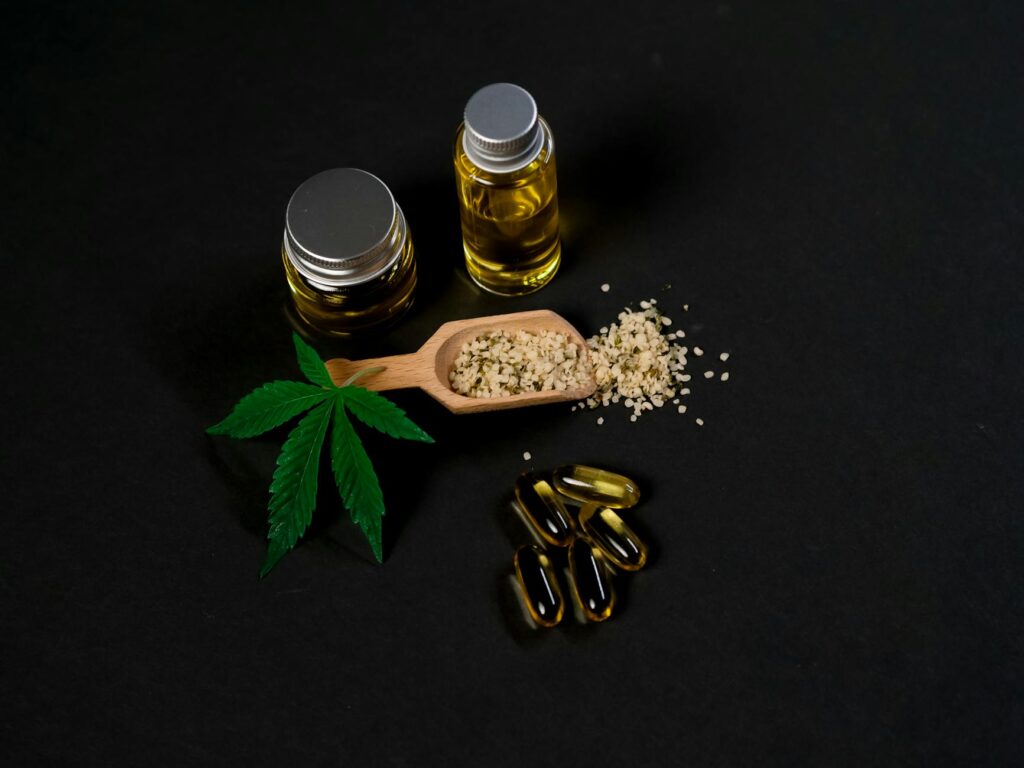
Complete Guide to Hemp Seed Oil Part 13
Introduction
Hemp seed oil has gained considerable attention in recent years due to its versatility and numerous benefits. Derived from the seeds of the hemp plant (Cannabis sativa), this oil is rich in essential fatty acids, vitamins, and minerals, making it a valuable addition to various applications. This guide will explore the characteristics, benefits, and uses of hemp seed oil, as well as its role in aromatherapy and safety considerations.
What Is Hemp Seed Oil?
Hemp seed oil is extracted from the seeds of the hemp plant. Unlike CBD oil, which is derived from the flowers and leaves, hemp seed oil contains minimal amounts of cannabinoids, making it primarily a food and cosmetic product. The extraction process typically involves cold-pressing the seeds, which preserves the oil’s nutritional profile.
The oil is usually dark green to clear in color, with a nutty flavor and aroma. It is often confused with other oils, but its unique composition sets it apart. With a rich history of use dating back thousands of years, hemp seed oil has been utilized for culinary, cosmetic, and industrial purposes.
Key Benefits and Properties
Hemp seed oil is celebrated for its impressive nutritional profile. Below are some of its key benefits and properties:
Nutrient-Rich Composition
Hemp seed oil is rich in essential fatty acids, particularly omega-3 and omega-6, in an ideal 3:1 ratio. This balance is crucial for maintaining overall health. Additionally, it contains gamma-linolenic acid (GLA), which is believed to have anti-inflammatory properties.
Vitamins and Minerals
The oil is also a source of various vitamins, including vitamin E, which acts as an antioxidant. Other nutrients found in hemp seed oil include magnesium, potassium, iron, zinc, and calcium, contributing to its overall health benefits.
Moisturizing and Emollient Properties
When applied topically, hemp seed oil acts as a natural moisturizer, helping to soothe and hydrate the skin. Its emollient properties make it suitable for various skin types, including sensitive and oily skin.
Anti-Inflammatory Properties
Some studies suggest that the fatty acids in hemp seed oil may help reduce inflammation, making it popular for those seeking natural solutions for skin conditions or general discomfort.
Common Uses
Hemp seed oil’s versatility makes it suitable for a variety of applications:
Culinary Uses
In the kitchen, hemp seed oil can be used as a salad dressing, a finishing oil, or an ingredient in smoothies. Its nutty flavor enhances dishes, making it a popular choice among health-conscious cooks. It is important to note that hemp seed oil should not be used for frying due to its low smoke point.
Skincare Products
Due to its moisturizing properties, hemp seed oil is often incorporated into skincare products like lotions, creams, and serums. It helps to balance oil production, making it beneficial for both dry and oily skin types.
Haircare
Hemp seed oil can also be used in hair products, providing nourishment to the scalp and hair. Its moisturizing properties can help reduce dryness and frizz, contributing to healthier, shinier hair.
Supplements
Hemp seed oil is available in capsule form as a dietary supplement. It is taken for its nutritional benefits, particularly for its omega fatty acids.
Aromatherapy Applications
While hemp seed oil itself is not typically used as an essential oil in aromatherapy, its properties can complement other essential oils. Here are some ways it can be integrated into aromatherapy practices:
Carrier Oil
Hemp seed oil is an excellent carrier oil for essential oils due to its light texture and skin-friendly qualities. It can dilute essential oils, allowing for safe topical application without overwhelming the skin.
Massage Therapy
In massage therapy, hemp seed oil can be used as a base oil. Its moisturizing properties provide a smooth glide, while its nutritional content nourishes the skin. The calming nature of the oil can enhance the overall experience of relaxation and well-being.
Blending with Essential Oils
Hemp seed oil can be blended with various essential oils to create personalized aromatherapy products. For instance, combining it with lavender or chamomile essential oils can create a soothing blend for calming the mind and promoting relaxation.
Safety Considerations
Hemp seed oil is generally considered safe for use, but there are some important safety considerations to keep in mind:
Allergies
Individuals allergic to hemp or cannabis may experience adverse reactions. It is advisable to conduct a patch test before applying the oil topically.
Quality and Purity
When purchasing hemp seed oil, it is essential to choose high-quality products from reputable sources. Look for oils that are cold-pressed and organic to ensure the best quality and purity.
Consultation with Professionals
While hemp seed oil is widely regarded as safe, it is recommended to consult with a healthcare professional or licensed aromatherapist when incorporating it into a health or wellness regimen.
Storage and Shelf Life
Proper storage of hemp seed oil is crucial to maintain its freshness and potency:
Storage
Hemp seed oil should be stored in a cool, dark place, away from direct sunlight, heat, and moisture. An airtight container can help preserve the oil’s quality.
Shelf Life
Typically, hemp seed oil has a shelf life of about 6 to 12 months when stored correctly. However, it is essential to check for any signs of rancidity, such as an off smell or flavor, before use.
Frequently Asked Questions
Is hemp seed oil the same as CBD oil?
No, hemp seed oil is extracted from the seeds of the hemp plant and contains minimal cannabinoids. In contrast, CBD oil is derived from the flowers and leaves and contains higher concentrations of cannabinoids, particularly cannabidiol (CBD).
Can I use hemp seed oil for cooking?
Yes, hemp seed oil can be used in cooking, particularly as a salad dressing or finishing oil. However, it should not be used for frying due to its low smoke point.
Is hemp seed oil safe for all skin types?
Hemp seed oil is generally safe for most skin types, including sensitive and oily skin. However, it is advisable to perform a patch test to check for any allergic reactions.
How should I incorporate hemp seed oil into my skincare routine?
Hemp seed oil can be added as a standalone moisturizer, mixed into your existing skincare products, or used as a carrier oil for essential oils in DIY formulations.
Can hemp seed oil interact with medications?
While hemp seed oil is generally considered safe, it is always best to consult with a healthcare professional, especially if you are taking medications or have underlying health conditions.
Conclusion
Hemp seed oil is a versatile and nutrient-rich oil that offers numerous benefits for culinary, skincare, and wellness applications. Its unique composition makes it a valuable addition to various industries, including food, beauty, and aromatherapy. Understanding its properties, uses, and safety considerations can help individuals make informed choices about incorporating hemp seed oil into their daily routines. Whether used in cooking, skincare, or as a carrier oil, hemp seed oil stands out as a powerhouse of nutrients and benefits.