
Complete Guide to Hemp Seed Oil Part 14
Introduction
Hemp seed oil has garnered significant attention in recent years, celebrated for its unique composition and diverse applications. Derived from the seeds of the Cannabis sativa plant, this oil is distinct from other cannabis-derived oils due to its lack of psychoactive properties. This guide aims to provide a comprehensive overview of hemp seed oil, exploring its benefits, uses, and safety considerations.
What Is Hemp Seed Oil?
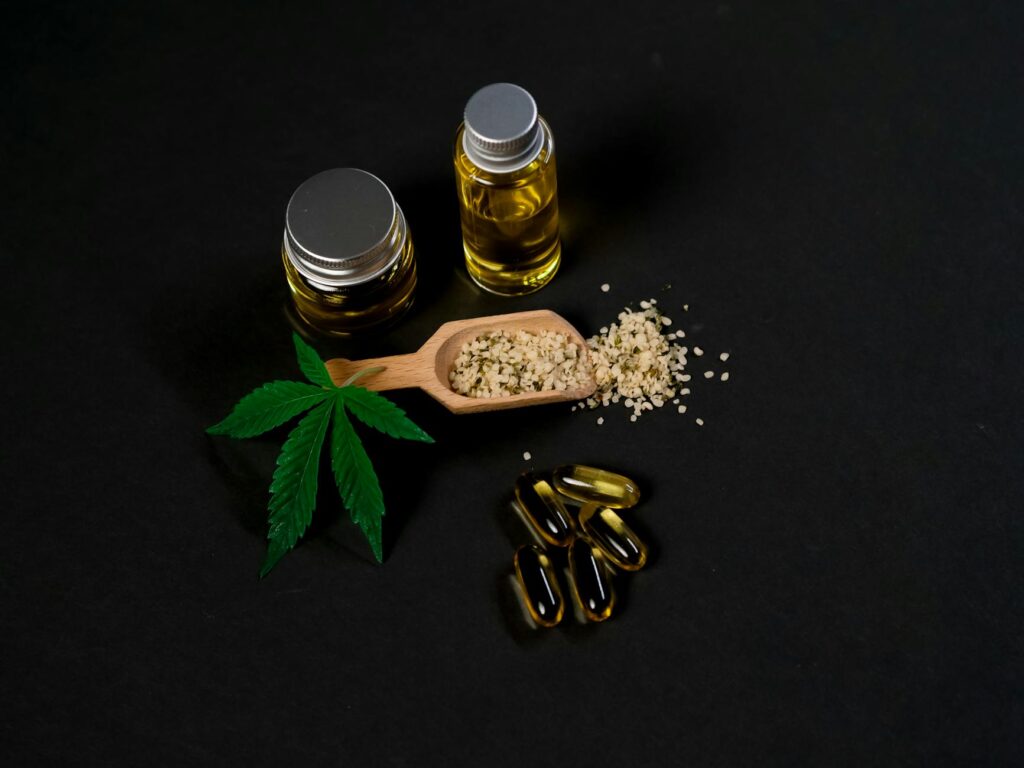
Hemp seed oil is extracted from the seeds of the hemp plant, a variety of Cannabis sativa that is cultivated specifically for industrial and nutritional purposes. The extraction process typically involves cold-pressing the seeds, which preserves the oil’s natural properties. Unlike CBD oil and other cannabis extracts, hemp seed oil contains negligible amounts of tetrahydrocannabinol (THC), the compound responsible for the psychoactive effects commonly associated with cannabis.
The oil is rich in essential fatty acids, vitamins, and minerals, making it a valuable addition to both culinary and cosmetic applications. Its light, nutty flavor adds a unique taste to dishes, while its nourishing properties make it an ideal ingredient for skincare products.
Key Benefits and Properties
Hemp seed oil is lauded for its rich nutritional profile and various health benefits. Here are some key properties:
Nutritional Composition
Hemp seed oil is primarily composed of polyunsaturated fatty acids, including omega-3 and omega-6 fatty acids, in an optimal ratio. This balance is essential for promoting heart health and reducing inflammation. Additionally, the oil contains:
- Gamma-Linolenic Acid (GLA): A type of omega-6 fatty acid that may play a role in skin health.
- Vitamins: Rich in vitamin E, a powerful antioxidant that can protect the skin from oxidative stress.
- Minerals: Contains essential minerals such as potassium, magnesium, and iron.
- Lavender: Known for its calming properties.
- Tea Tree: Valued for its antiseptic qualities.
- Peppermint: Often used for its invigorating and refreshing scent.
- Cool, Dark Place: Store the oil in a cool, dark place, away from direct sunlight and heat sources.
- Refrigeration: For extended shelf life, consider refrigerating the oil. This can help preserve its freshness and prevent rancidity.
Skin Benefits
Hemp seed oil is increasingly utilized in skincare for its moisturizing and soothing properties. It is non-comedogenic, meaning it does not clog pores, making it suitable for various skin types, including oily and acne-prone skin. Its anti-inflammatory properties may help alleviate conditions like eczema and psoriasis.
Hormonal Balance
The presence of GLA in hemp seed oil may contribute to hormonal balance. Some studies suggest that GLA can support women’s health, particularly during menstrual cycles.
Common Uses
Hemp seed oil has a wide range of applications across various industries. Here are some common uses:
Culinary Uses
In culinary applications, hemp seed oil can be used as a salad dressing, drizzled over cooked vegetables, or incorporated into smoothies for added nutrition. Its low smoke point means it is best used in cold dishes or added to foods after cooking to preserve its nutritional content.
Skincare Products
The oil is a popular ingredient in lotions, creams, and serums due to its moisturizing properties. It is often formulated in products aimed at addressing dry skin, acne, and signs of aging.
Hair Care
Hemp seed oil can also benefit hair health. It is often included in shampoos and conditioners, as it helps to moisturize and strengthen hair, reducing breakage and promoting shine.
Industrial Applications
Beyond personal care and culinary uses, hemp seed oil is also utilized in the production of paints, inks, and biodiesel, showcasing its versatility as an industrial resource.
Aromatherapy Applications
While hemp seed oil is not an essential oil, it can be used as a carrier oil in aromatherapy. Its light texture makes it an excellent base for diluting essential oils, allowing for the safe application of potent plant extracts.
Blending with Essential Oils
When blended with essential oils, hemp seed oil can enhance absorption and provide additional therapeutic benefits. Suitable essential oils to mix with hemp seed oil include:
Massage Therapy
In massage therapy, hemp seed oil can serve as an excellent lubricant, promoting relaxation and enhancing the overall experience. Its nourishing properties may also benefit the skin, making it a preferred choice among therapists.
Safety Considerations
Hemp seed oil is generally considered safe for most individuals. However, there are some considerations to keep in mind:
Allergies
Individuals with allergies to cannabis or related plants should exercise caution when using hemp seed oil. A patch test is recommended before applying the oil topically to ensure there is no adverse reaction.
Dietary Restrictions
While hemp seed oil is vegan and gluten-free, it is always advisable for individuals with specific dietary concerns to read labels carefully.
Consultation
As with any new product, particularly if you have existing health conditions or are pregnant or nursing, it is advisable to consult a healthcare professional prior to incorporating hemp seed oil into your routine.
Storage and Shelf Life
Proper storage is essential for maintaining the quality of hemp seed oil. Here are some guidelines:
Storage Conditions
Shelf Life
When stored correctly, hemp seed oil can last for approximately 6 to 12 months. Always check for signs of spoilage, such as off odors or changes in color, before use.
Frequently Asked Questions
1. Is hemp seed oil the same as CBD oil?
No, hemp seed oil is derived from the seeds of the hemp plant and contains negligible amounts of THC and CBD. In contrast, CBD oil is extracted from the leaves, flowers, and stalks of the hemp plant and contains higher concentrations of CBD.
2. Can hemp seed oil be used for cooking?
Yes, hemp seed oil can be used in cooking, particularly in salad dressings and cold dishes. However, due to its low smoke point, it is not recommended for high-heat cooking methods.
3. Is hemp seed oil safe for all skin types?
Hemp seed oil is generally safe for most skin types, including oily and sensitive skin. However, it is advisable to perform a patch test before applying it extensively.
4. Can hemp seed oil help with hair growth?
While hemp seed oil is known to nourish and moisturize hair, there is limited scientific evidence to suggest it directly promotes hair growth. However, its moisturizing properties can improve hair health overall.
5. How can I incorporate hemp seed oil into my diet?
Hemp seed oil can be added to smoothies, salad dressings, and drizzled over cooked vegetables. It is best used in cold dishes to preserve its nutritional benefits.
6. Is there a recommended dosage for hemp seed oil?
There is no standard dosage for hemp seed oil, as it varies based on individual needs and preferences. It is recommended to start with small amounts and adjust according to taste and personal response.
Conclusion
Hemp seed oil is a versatile and nutrient-rich oil that offers a range of benefits for culinary, skincare, and industrial applications. Its unique composition of essential fatty acids, vitamins, and minerals makes it a valuable addition to many products. While it is generally safe for most individuals, proper storage and usage considerations should be kept in mind. Whether incorporated into your diet or used in skincare, hemp seed oil stands out as a remarkable natural resource worthy of exploration.