
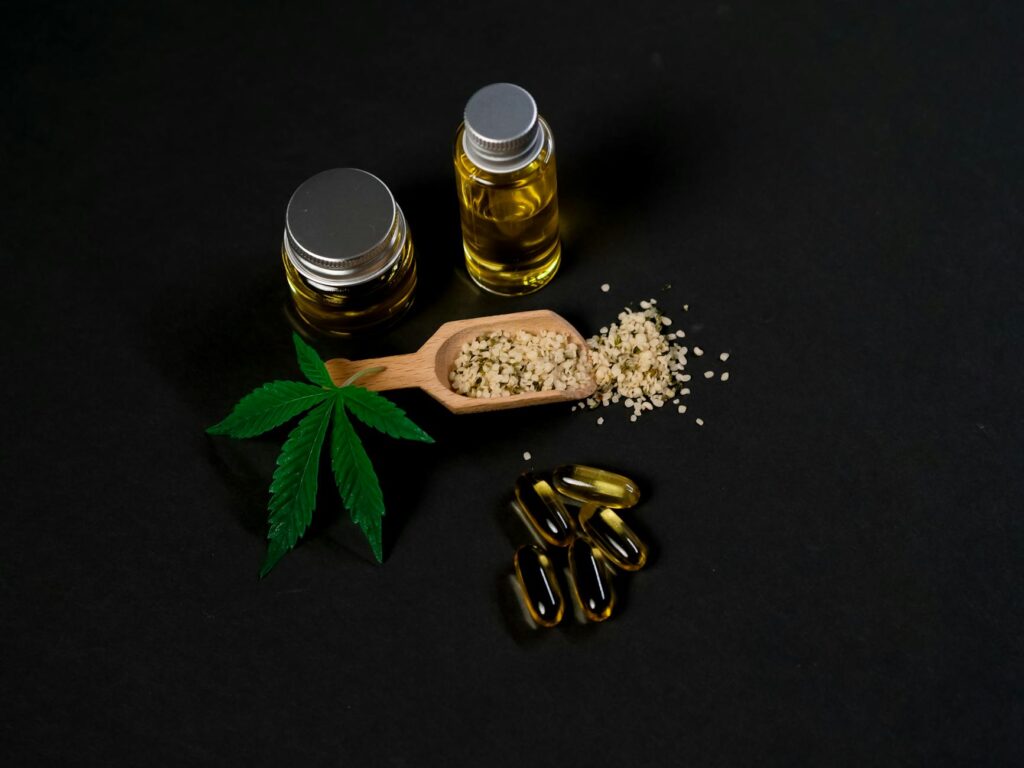
Complete Guide to Hemp Seed Oil Part 15
Introduction
Hemp seed oil is gaining significant attention in the wellness and personal care industries due to its rich composition of fatty acids, vitamins, and minerals. Extracted from the seeds of the Cannabis sativa plant, this oil is distinct from other cannabis derivatives, such as CBD oil, because it contains minimal amounts of tetrahydrocannabinol (THC). This guide aims to provide a comprehensive understanding of hemp seed oil, exploring its properties, benefits, and uses in various applications, including aromatherapy.
What Is Hemp Seed Oil?
Hemp seed oil is derived from the seeds of the hemp plant, which is a variety of the Cannabis sativa species. The extraction process typically involves cold-pressing the seeds, which preserves the oil’s nutritional integrity. This oil is recognized for its light green color and nutty flavor, making it a popular ingredient in culinary applications as well as skincare products.
Unlike other cannabis oils, hemp seed oil does not produce psychoactive effects due to its low THC content. Instead, it is valued for its balanced ratio of omega-3 and omega-6 fatty acids, as well as other beneficial compounds that contribute to its versatility.
Key Benefits and Properties
Hemp seed oil boasts a range of beneficial properties, making it a valuable addition to both dietary and topical applications. Some of the key benefits include:
Nutritional Profile
- Essential Fatty Acids: Hemp seed oil contains a perfect ratio of omega-6 (linoleic acid) to omega-3 (alpha-linolenic acid) fatty acids, which are essential for maintaining heart health and overall well-being.
- Vitamins and Minerals: Rich in vitamins E, A, and D, along with minerals like magnesium, potassium, and zinc, hemp seed oil supports various bodily functions.
- Moisturizing Properties: The oil is an effective moisturizer, helping to hydrate the skin without clogging pores.
- Anti-inflammatory Effects: Its anti-inflammatory properties can assist in soothing irritated skin conditions such as eczema and psoriasis.
- Nourishing for Hair: Hemp seed oil can strengthen hair, enhance shine, and reduce breakage due to its high fatty acid content.
- Cooking and Salad Dressings: Its nutty flavor makes it an excellent addition to salads, dressings, and marinades. However, it is best used in cold dishes to preserve its nutritional properties.
- Smoothies and Shakes: Adding hemp seed oil to smoothies can boost the nutritional value significantly.
- Moisturizers and Serums: Many skincare products include hemp seed oil due to its hydrating and soothing properties.
- Cleansers: The oil can also be used as a gentle cleanser, helping to remove makeup and impurities while nourishing the skin.
- Conditioners: Hemp seed oil is often found in conditioners and hair treatments designed to nourish and strengthen hair.
- Lavender: Known for its calming properties, lavender oil combined with hemp seed oil can enhance relaxation and promote restful sleep.
- Peppermint: This refreshing oil can provide an invigorating boost when mixed with hemp seed oil, making it ideal for use in massage blends.
- Tea Tree: When blended for topical application, tea tree oil’s antiseptic properties can be enhanced by the nourishing qualities of hemp seed oil.
- Massage: Using hemp seed oil as a base for massage oils allows for a smooth glide while providing skin nourishment.
- Diffusion: While hemp seed oil is not used in diffusers, it can be incorporated into personal inhalers or roll-ons for topical use.
- Allergic Reactions: Individuals with allergies to hemp or its derivatives should avoid using hemp seed oil. It is advisable to conduct a patch test before applying it topically.
- Consultation: Those with existing health conditions or who are pregnant or breastfeeding should consult a healthcare professional before incorporating hemp seed oil into their routine.
- Cool, Dark Place: Store the oil in a cool, dark place, away from direct sunlight and heat, to prevent oxidation.
- Refrigeration: For extended shelf life, consider refrigerating the oil after opening. This can help preserve its nutritional properties and prevent rancidity.
- Expiration Date: Always check the expiration date on the packaging. Typically, hemp seed oil has a shelf life of about 6 to 12 months when stored properly.
Skin Health
Hair Care
Common Uses
Hemp seed oil is versatile and can be used in various applications, including:
Culinary Uses
Skincare
Haircare
Aromatherapy Applications
While hemp seed oil is not an essential oil, it can play a complementary role in aromatherapy. When combined with essential oils, it serves as a carrier oil, diluting the potency of the essential oils while allowing for easy application. This is particularly useful for topical applications, where essential oils need to be diluted for safe use.
Blending with Essential Oils
Hemp seed oil can be blended with various essential oils to create unique aromatic experiences. Some popular essential oils to pair with hemp seed oil include:
Application Methods
Safety Considerations
Although hemp seed oil is generally considered safe for most people, it is essential to keep the following considerations in mind:
Storage and Shelf Life
Proper storage is crucial to maintaining the quality of hemp seed oil. Here are some best practices:
Frequently Asked Questions
1. Can hemp seed oil get you high?
No, hemp seed oil contains negligible amounts of THC, the compound responsible for psychoactive effects. It is safe to use without the risk of intoxication.
2. Is hemp seed oil suitable for all skin types?
Hemp seed oil is generally well-tolerated by most skin types, including oily and sensitive skin. However, it is always advisable to perform a patch test before full application.
3. How can I incorporate hemp seed oil into my diet?
Hemp seed oil can be added to salads, smoothies, and cold dishes. It is not recommended for high-heat cooking, as it can degrade its beneficial properties.
4. Can I use hemp seed oil for hair growth?
While hemp seed oil can nourish and strengthen hair, there is limited scientific evidence to support its effectiveness in promoting hair growth.
5. Are there any side effects associated with hemp seed oil?
Hemp seed oil is generally safe. However, some individuals may experience mild digestive upset or allergic reactions. It is advisable to consult with a healthcare provider if you have concerns.
Conclusion
Hemp seed oil is a versatile and nutrient-rich oil that offers numerous benefits for both dietary and topical applications. Its unique composition of essential fatty acids, vitamins, and minerals makes it a valuable addition to wellness routines. Whether used in cooking, skincare, or aromatherapy, hemp seed oil provides a natural solution for enhancing health and beauty. By understanding its properties and uses, individuals can make informed choices about incorporating this oil into their lives.