
Complete Guide to Hemp Seed Oil Part 2
Introduction
Hemp seed oil is gaining recognition not only for its nutritional value but also for its versatility in various applications, including skincare, cooking, and aromatherapy. This article serves as a comprehensive guide to understanding the myriad benefits and uses of hemp seed oil, along with safety considerations and storage tips. Whether you are a beginner or an experienced user, this guide will enhance your knowledge of this remarkable oil.
What Is Hemp Seed Oil?
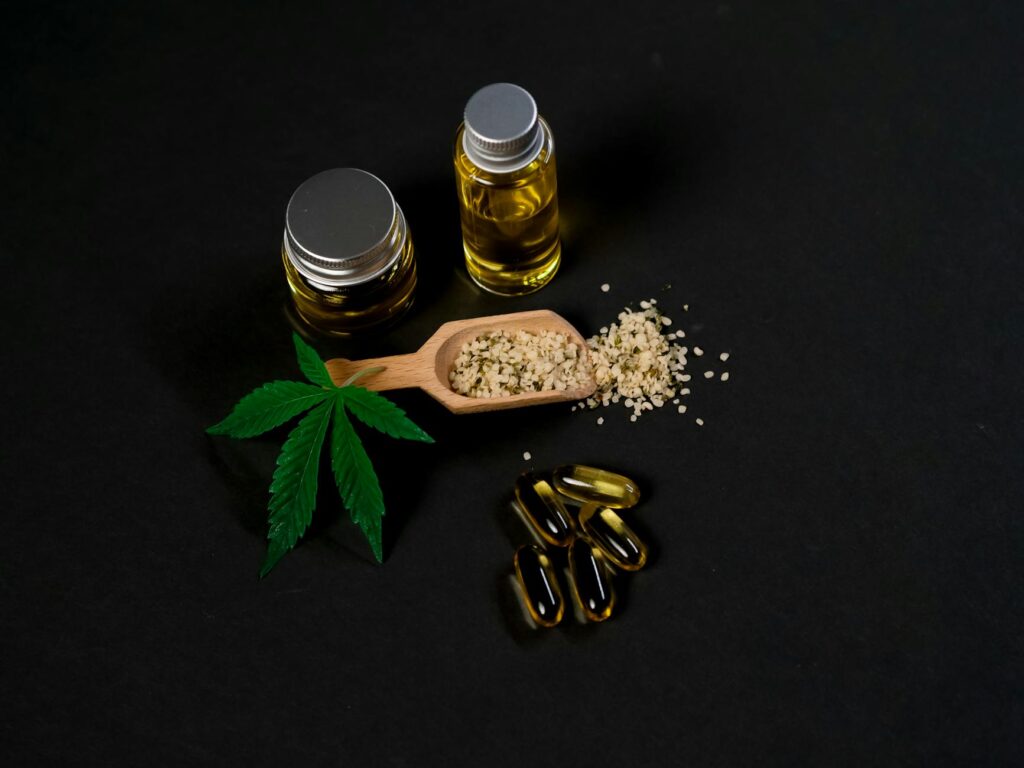
Hemp seed oil is derived from the seeds of the hemp plant, Cannabis sativa. Unlike its more notorious counterpart, marijuana, hemp seed oil is extracted from seeds that contain negligible amounts of tetrahydrocannabinol (THC), the psychoactive compound found in cannabis. The oil is cold-pressed from the seeds, ensuring that its rich nutrient profile remains intact.
The oil has a light green hue and a nutty flavor, making it an appealing ingredient in culinary applications. Additionally, it is packed with essential fatty acids, vitamins, and minerals, which contribute to its popularity in health and beauty products.
Key Benefits and Properties
Hemp seed oil is celebrated for its unique composition, which includes:
- Essential Fatty Acids (EFAs): Hemp seed oil is rich in omega-3 and omega-6 fatty acids, which are essential for maintaining good health. These EFAs help support cardiovascular health, improve skin condition, and reduce inflammation.
- Vitamins and Minerals: The oil contains vitamins A, C, and E, as well as minerals like magnesium, potassium, and zinc. These nutrients are essential for various bodily functions, including immune response and skin health.
- Antioxidant Properties: Hemp seed oil is rich in antioxidants, which help combat oxidative stress and may protect cells from damage caused by free radicals.
- Moisturizing Qualities: The oil is an excellent moisturizer, making it suitable for various skin types. It penetrates deeply without clogging pores, promoting hydration and nourishment.
- Salad Dressings: Hemp seed oil can be used as a base for salad dressings, providing a nutritious and flavorful option.
- Smoothies: Adding a tablespoon of hemp seed oil to smoothies boosts their nutritional profile, offering essential fatty acids and vitamins.
- Cooking: While it has a low smoke point, making it unsuitable for high-heat cooking, it can be drizzled over cooked vegetables or grains for added flavor and nutrition.
- Moisturizers: Due to its hydrating properties, hemp seed oil is commonly found in lotions and creams. It can soothe dry skin and improve overall texture.
- Massage Oil: Its light consistency makes it an ideal carrier oil for massage. It can be blended with essential oils for added therapeutic benefits.
- Hair Care: Hemp seed oil can be applied to hair to improve shine, reduce frizz, and nourish the scalp.
- Capsules: Hemp seed oil is available in capsule form, providing a convenient way to incorporate its benefits into your daily routine.
- Lavender: Known for its calming properties, lavender essential oil mixed with hemp seed oil can be used for relaxation and stress relief.
- Peppermint: This invigorating oil can be blended with hemp seed oil for a refreshing massage that may help alleviate tension.
- Tea Tree: Combining tea tree oil with hemp seed oil can create a soothing blend for blemish-prone skin.
- Allergies: Individuals with allergies to cannabis or related plants should exercise caution when using hemp seed oil.
- Quality: The quality of hemp seed oil can vary significantly among brands. It is essential to choose cold-pressed, organic oil to ensure the highest quality and nutritional value.
- Skin Sensitivity: Although hemp seed oil is suitable for most skin types, it is advisable to perform a patch test before full application, especially for individuals with sensitive skin.
- Consultation: If you are pregnant, nursing, or taking medication, consult a healthcare professional before incorporating hemp seed oil into your routine.
- Storage: Store hemp seed oil in a cool, dark place, away from direct sunlight. A refrigerator is an excellent option for prolonging its freshness.
- Container: Choose a dark glass container for storage, as it helps protect the oil from light degradation.
- Shelf Life: Generally, hemp seed oil has a shelf life of 6 to 12 months if stored properly. Always check the expiration date on the packaging.
Common Uses
Hemp seed oil is incredibly versatile and can be used in various ways, including:
Culinary Uses
Skincare
Dietary Supplements
Aromatherapy Applications
While hemp seed oil is not an essential oil, it can serve as a carrier oil in aromatherapy. Carrier oils dilute essential oils, allowing for safe topical application. Here are some ways hemp seed oil can be used in aromatherapy:
Blending with Essential Oils
Hemp seed oil blends well with various essential oils, enhancing their benefits while providing additional moisture. Popular blends include:
Diffusion
Though not commonly used in diffusers, hemp seed oil can be combined with essential oils for a unique aromatic experience. Its nutty scent can complement various essential oils, creating a balanced aromatic environment.
Safety Considerations
While hemp seed oil is generally considered safe for most people, there are several safety considerations to keep in mind:
Storage and Shelf Life
To maintain the quality and extend the shelf life of hemp seed oil, proper storage is crucial. Consider the following tips:
Frequently Asked Questions
1. Can hemp seed oil get you high?
No, hemp seed oil contains negligible amounts of THC and will not produce psychoactive effects.
2. Is hemp seed oil the same as CBD oil?
No, hemp seed oil is extracted from the seeds of the hemp plant, while CBD oil is derived from the flowers and leaves, containing cannabidiol, a compound known for its potential therapeutic effects.
3. Can I ingest hemp seed oil?
Yes, hemp seed oil is safe for consumption and can be used in cooking or as a dietary supplement.
4. Is hemp seed oil suitable for all skin types?
Hemp seed oil is generally suitable for all skin types due to its non-comedogenic properties. However, individuals with specific allergies should proceed with caution.
5. How can I incorporate hemp seed oil into my skincare routine?
You can use hemp seed oil as a moisturizer, mix it with essential oils for massages, or add it to your regular skincare products.
Conclusion
Hemp seed oil is a multifaceted oil with a range of benefits, from nutritional enhancements to skincare applications. Understanding its properties, uses, and safety considerations can help you make informed decisions about incorporating it into your daily routine. Whether you use it for cooking, skincare, or aromatherapy, hemp seed oil is a valuable addition to a holistic lifestyle.