
Complete Guide to Hemp Seed Oil Part 3
Introduction
Hemp seed oil has gained considerable attention in recent years, not only for its nutritional benefits but also for its versatility in beauty, wellness, and aromatherapy applications. This article serves as the third part of a comprehensive guide to hemp seed oil, delving into its properties, common uses, and safety considerations. By exploring the multifaceted nature of this oil, we aim to provide readers with an in-depth understanding of its place in both personal care and holistic practices.
What Is Hemp Seed Oil?
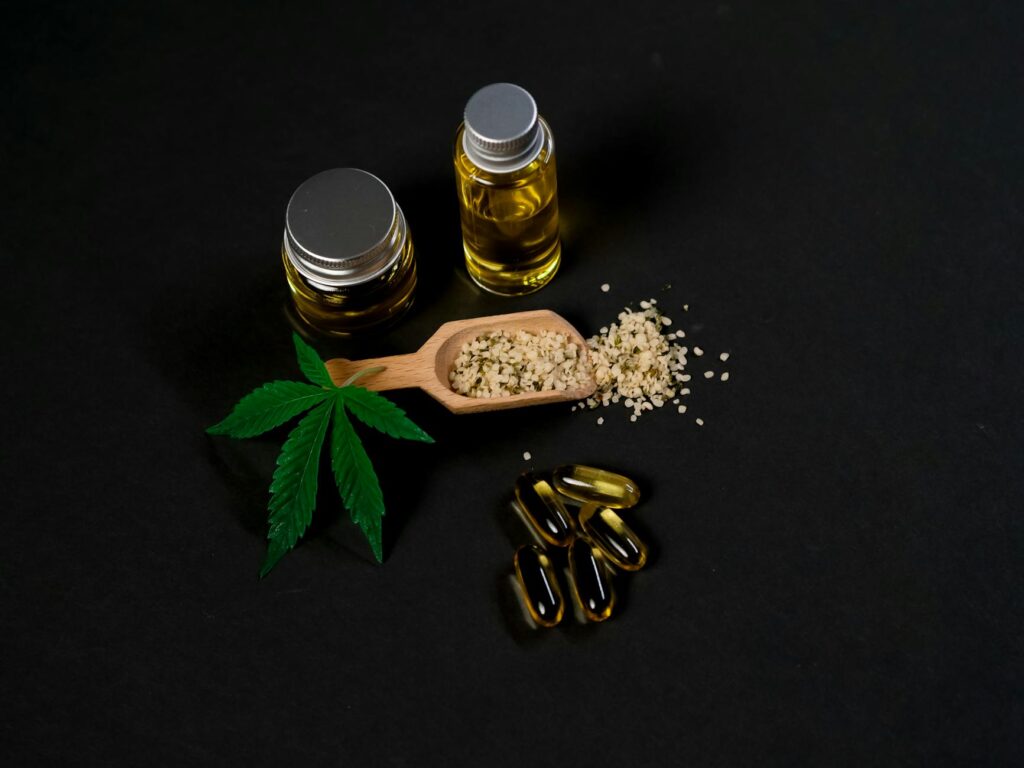
Hemp seed oil is derived from the seeds of the hemp plant, scientifically known as Cannabis sativa. Unlike its more controversial relatives, such as CBD oil, which is extracted from the flowers and leaves of the plant and contains psychoactive compounds, hemp seed oil is non-psychoactive. The extraction process typically involves cold pressing, which preserves the oil’s nutrient profile, ensuring that it remains rich in essential fatty acids, vitamins, and minerals.
Hemp seed oil has a light green color and a nutty flavor, making it a popular ingredient in various culinary applications. However, its benefits extend beyond the kitchen, making it a staple in the realms of skincare, haircare, and aromatherapy.
Key Benefits and Properties
Hemp seed oil is renowned for its impressive nutrient composition, which includes:
- Essential Fatty Acids: Hemp seed oil is rich in omega-3 and omega-6 fatty acids, which are crucial for maintaining healthy skin and hair. The oil typically contains a balanced ratio of these fatty acids, making it particularly beneficial for various skin types.
- Vitamins and Minerals: It is a source of vitamins A, C, and E, as well as minerals such as magnesium, calcium, and potassium. These nutrients contribute to the oil’s antioxidant properties, which can protect the skin from damage caused by free radicals.
- Moisturizing Properties: The oil is known for its ability to hydrate and nourish the skin without clogging pores, making it suitable for acne-prone skin. Its emollient properties help maintain skin elasticity, promoting a youthful appearance.
- Anti-Inflammatory Effects: Research suggests that the fatty acids in hemp seed oil may have anti-inflammatory properties, potentially aiding in the reduction of redness and irritation.
- Lavender: Known for its calming properties, lavender essential oil can enhance the relaxing effects of hemp seed oil during a massage or in a diffuser blend.
- Peppermint: This invigorating oil can provide a refreshing contrast to the earthiness of hemp seed oil, making it ideal for revitalizing blends.
- Tea Tree: With its antibacterial properties, tea tree essential oil can complement the moisturizing benefits of hemp seed oil in skincare formulations.
- Allergic Reactions: Although rare, some individuals may experience allergic reactions to hemp seed oil. It is advisable to conduct a patch test before using it on larger areas of skin.
- Quality of the Oil: The quality of hemp seed oil can vary significantly depending on the extraction method and source. Opt for cold-pressed, organic hemp seed oil whenever possible to ensure purity and potency.
- Consultation: If you are considering incorporating hemp seed oil into your skincare or wellness routine, especially if you have pre-existing conditions or allergies, consult with a healthcare professional.
- Use Dark Glass Containers: Dark glass bottles can help protect the oil from light exposure.
- Refrigeration: For extended freshness, especially in warmer climates, refrigeration may be beneficial.
- Seal Tight: Ensure that the bottle is tightly sealed to prevent air exposure, which can also contribute to oxidation.
Common Uses
Hemp seed oil’s versatility makes it suitable for a variety of applications:
Culinary Uses
Hemp seed oil is often used as a finishing oil in salads, dips, and smoothies due to its rich, nutty flavor. It is not recommended for cooking at high temperatures, as its smoke point is relatively low (around 330°F or 165°C). Instead, it is best used in cold dishes or as a drizzle over cooked foods.
Skincare
Due to its moisturizing and antioxidant properties, hemp seed oil is a popular ingredient in skincare products. It can be found in lotions, creams, soaps, and serums, where it helps to hydrate the skin and reduce signs of aging. Its non-comedogenic nature makes it suitable for all skin types, including sensitive and oily skin.
Haircare
Hemp seed oil is also utilized in haircare products, such as shampoos and conditioners. Its fatty acids can help strengthen hair, reduce breakage, and improve overall shine and manageability.
Aromatherapy Applications
While hemp seed oil itself is not typically used as an essential oil in aromatherapy, it can serve as a carrier oil for diluting essential oils. This makes it an excellent choice for creating blends for massage or topical applications. The subtle nutty aroma of hemp seed oil can complement various essential oils, making it a versatile base for a range of aromatic concoctions.
Blending with Essential Oils
When using hemp seed oil as a carrier oil, consider pairing it with essential oils that promote relaxation and well-being, such as:
Massage and Topical Applications
When used for massage, hemp seed oil can help to nourish the skin while providing a smooth glide. Its anti-inflammatory properties may enhance the benefits of massage by soothing sore muscles and promoting relaxation.
Safety Considerations
While hemp seed oil is generally regarded as safe for topical and culinary use, there are a few considerations to keep in mind:
Storage and Shelf Life
Hemp seed oil should be stored in a cool, dark place to maintain its quality and extend its shelf life. Exposure to light and heat can lead to oxidation, resulting in rancidity. Typically, hemp seed oil has a shelf life of about 6 to 12 months when stored properly.
To preserve its freshness, consider the following storage tips:
Frequently Asked Questions
Is hemp seed oil the same as CBD oil?
No, hemp seed oil is extracted from the seeds of the hemp plant and contains no psychoactive compounds, while CBD oil is derived from the flowers and leaves and may contain varying levels of the cannabinoid CBD.
Can hemp seed oil be taken internally?
Yes, hemp seed oil is safe for culinary use and can be ingested as part of a balanced diet. However, consult with a healthcare professional if you have any specific health concerns.
Can hemp seed oil help with skin conditions?
While hemp seed oil is known for its moisturizing properties and may help soothe certain skin irritations, it is not a substitute for professional medical treatment. Always consult a dermatologist for skin concerns.
Is hemp seed oil suitable for all skin types?
Yes, hemp seed oil is non-comedogenic and can be beneficial for all skin types, including oily, dry, and sensitive skin. Its lightweight texture allows it to absorb easily without clogging pores.
How can I incorporate hemp seed oil into my skincare routine?
You can use hemp seed oil as a standalone moisturizer, add it to your existing products, or use it as a carrier oil for essential oils in DIY skincare formulations.
Conclusion
Hemp seed oil is a remarkable oil with a plethora of benefits and uses that extend far beyond culinary applications. Its rich nutrient profile, coupled with its versatility in skincare, haircare, and aromatherapy, makes it a valuable addition to any wellness routine. By understanding its properties, applications, and safety considerations, individuals can make informed choices about incorporating hemp seed oil into their daily lives. Whether you’re looking to nourish your skin, enhance your culinary creations, or explore its potential in aromatherapy, hemp seed oil stands out as an excellent option worth considering.