
Complete Guide to Hemp Seed Oil Part 4
Introduction
Hemp seed oil has gained significant traction in recent years, celebrated for its versatility and numerous benefits. Often confused with CBD oil, hemp seed oil is derived from the seeds of the hemp plant (Cannabis sativa) and is distinct in its composition and uses. This article delves into the properties, benefits, applications, and safety considerations surrounding hemp seed oil, offering a comprehensive overview for those interested in incorporating this oil into their lives.
What Is Hemp Seed Oil?
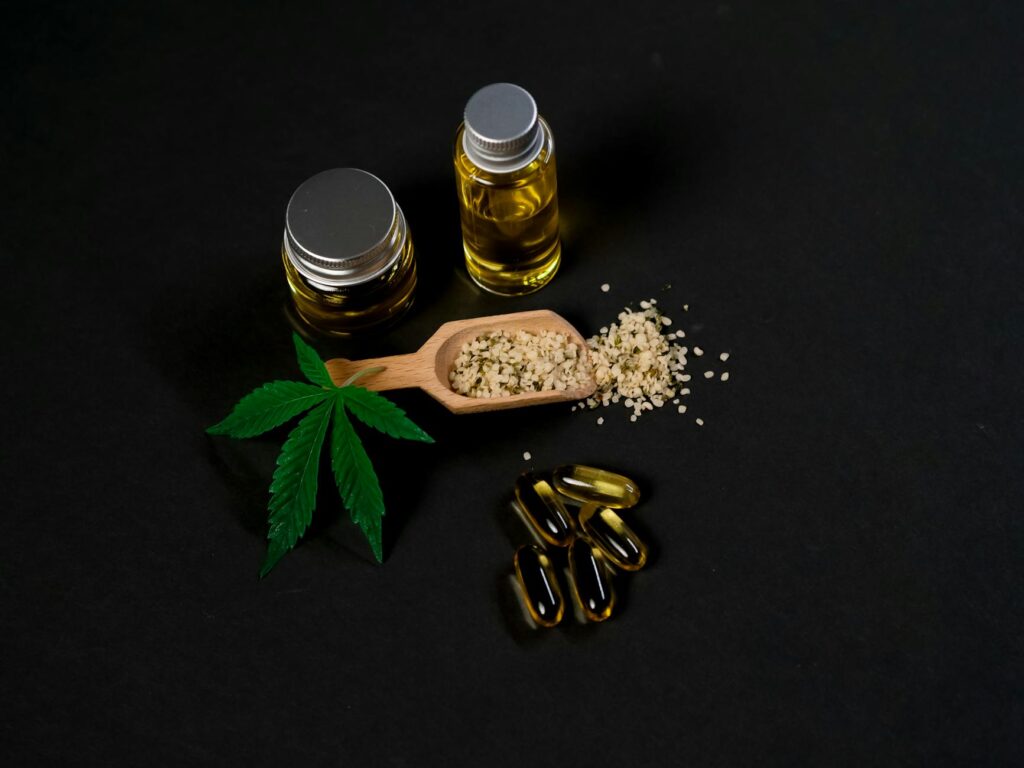
Hemp seed oil is extracted from the seeds of the hemp plant, a variety of Cannabis sativa cultivated specifically for its seeds and fibers. The extraction process typically involves cold-pressing the seeds to produce a dark green oil with a nutty flavor. Unlike CBD oil, which is derived from the flowers, leaves, and stalks of the hemp plant and contains cannabidiol, hemp seed oil is rich in nutrients but contains negligible amounts of THC (tetrahydrocannabinol), the psychoactive component in cannabis.
Hemp seed oil is composed of various fatty acids, proteins, and other beneficial compounds, making it a valuable addition to many natural health regimens. This oil is often lauded for its rich nutritional profile, which includes essential fatty acids, vitamins, and minerals.
Key Benefits and Properties
Nutritional Profile
Hemp seed oil boasts an impressive nutritional profile, making it a sought-after ingredient in both culinary and cosmetic applications. Key components include:
- Omega Fatty Acids: The oil is particularly high in omega-3 and omega-6 fatty acids, which are essential for maintaining healthy bodily functions. The ideal ratio of omega-6 to omega-3 in hemp seed oil is approximately 3:1, which is considered beneficial for overall health.
- Vitamins and Minerals: Hemp seed oil contains vitamins such as vitamin E, which acts as an antioxidant, as well as minerals like magnesium, potassium, and iron.
- Amino Acids: The oil is also a source of essential amino acids, which are the building blocks of proteins.
- Avoid Light and Heat: Hemp seed oil should be stored in a dark, cool place, away from direct sunlight and heat sources. Exposure to light and heat can cause the oil to oxidize, leading to rancidity.
- Refrigeration: For optimal shelf life, consider refrigerating the oil after opening. This can help preserve its nutritional qualities and extend its usability.
Skin Health
The oil is frequently used in cosmetic formulations due to its moisturizing properties. It helps to hydrate the skin without clogging pores, making it suitable for various skin types, including oily and acne-prone skin. The anti-inflammatory properties can aid in soothing skin conditions such as eczema and psoriasis.
Heart Health
The presence of omega fatty acids is linked to cardiovascular health. These fats can help reduce bad cholesterol levels, thereby supporting overall heart health. Additionally, the oil’s anti-inflammatory properties may contribute to improved blood circulation.
Common Uses
Culinary Applications
Hemp seed oil is often used as a dietary supplement or cooking oil. Its nutty flavor enhances various dishes, from salad dressings to smoothies. However, due to its low smoke point, it is best used in cold dishes or added to meals after cooking.
Cosmetic Products
Because of its emollient properties, hemp seed oil is a popular ingredient in skincare products such as lotions, creams, and serums. Its ability to nourish the skin and maintain moisture levels makes it a valuable addition to beauty routines.
Hair Care
Hemp seed oil is also utilized in hair care products. It can help moisturize the scalp and improve hair health by adding shine and preventing dryness or brittleness. Some hair products contain hemp seed oil to promote softer, more manageable hair.
Aromatherapy Applications
While hemp seed oil is not an essential oil, it can still play a role in aromatherapy when blended with essential oils. Its carrier properties make it an excellent base for diluting essential oils, allowing for safe topical application. Here are some ways it can be used in aromatherapy:
Carrier Oil
As a carrier oil, hemp seed oil can dilute essential oils like lavender, tea tree, or eucalyptus, allowing for safe topical use. This combination can be beneficial for various skin applications, including massage or skincare treatments.
Infused Oils
Hemp seed oil can also be infused with various herbs and essential oils to create custom blends. This infusion process allows the beneficial properties of the herbs to combine with the nutritional benefits of the hemp seed oil.
Aromatherapy Blends
When combined with essential oils, hemp seed oil can enhance the overall sensory experience. For instance, a blend of hemp seed oil with calming essential oils, such as chamomile or frankincense, may help create a relaxing atmosphere during meditation or yoga practices.
Safety Considerations
While hemp seed oil is generally considered safe for most individuals, certain considerations should be kept in mind:
Allergies
Individuals with a known allergy to hemp or other plants in the Cannabis family should exercise caution when using hemp seed oil. It is advisable to conduct a patch test before applying it to the skin.
Pregnancy and Nursing
While hemp seed oil is usually safe for consumption and topical use, pregnant or nursing individuals should consult a healthcare professional before incorporating it into their routine.
Quality and Sourcing
The quality of hemp seed oil can vary significantly based on sourcing and extraction methods. It is essential to choose high-quality, cold-pressed, organic hemp seed oil to ensure maximum benefits.
Storage and Shelf Life
Proper storage of hemp seed oil is crucial to maintain its freshness and potency. Here are some tips:
Storage Conditions
Shelf Life
When stored correctly, hemp seed oil typically has a shelf life of about 6 to 12 months. Always check for signs of rancidity, such as an off smell or unusual taste, before use.
Frequently Asked Questions
Is hemp seed oil the same as CBD oil?
No, hemp seed oil is derived from the seeds of the hemp plant and contains negligible amounts of THC and CBD. In contrast, CBD oil is extracted from the flowers, leaves, and stalks of the hemp plant and contains higher levels of CBD.
Can hemp seed oil cause a drug test failure?
Hemp seed oil contains only trace amounts of THC, which is generally insufficient to cause a positive drug test result. However, individuals concerned about drug testing should consult their employer or testing agency for specific guidelines.
How can I incorporate hemp seed oil into my diet?
Hemp seed oil can be added to salads, smoothies, or drizzled over cooked vegetables. However, it is best used in cold dishes due to its low smoke point.
Is hemp seed oil suitable for all skin types?
Yes, hemp seed oil is typically suitable for all skin types. Its non-comedogenic properties make it particularly beneficial for oily and acne-prone skin, while its moisturizing properties are advantageous for dry skin.
Can I use hemp seed oil for hair care?
Yes, hemp seed oil can be beneficial for hair care. It helps to moisturize the scalp and can improve the overall health and appearance of hair.
Conclusion
Hemp seed oil is a versatile and nutrient-rich oil that offers numerous benefits for both internal and external use. Whether incorporated into culinary practices, skincare routines, or aromatherapy applications, its unique properties make it a valuable addition to any natural health regimen. By understanding its benefits, uses, and safety considerations, individuals can make informed choices about incorporating hemp seed oil into their lives.