
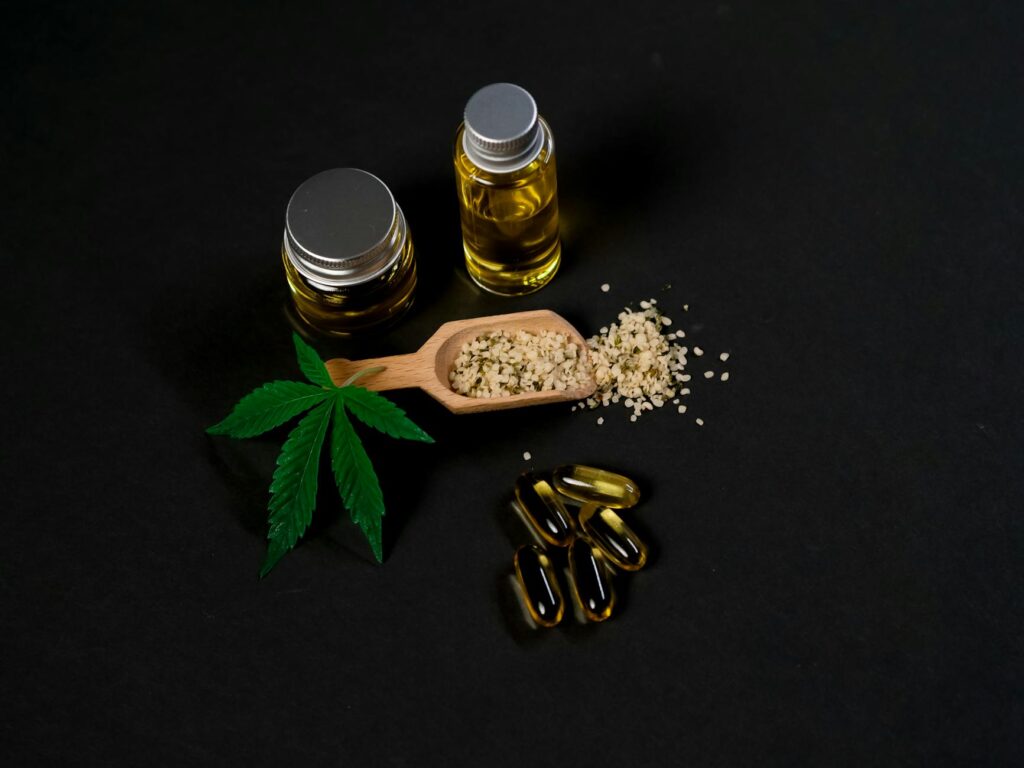
Complete Guide to Hemp Seed Oil Part 5
Introduction
Hemp seed oil has gained considerable attention over the past few years, not only in culinary circles but also in the realms of beauty and wellness. Derived from the seeds of the hemp plant, Cannabis sativa, this oil is rich in essential fatty acids, vitamins, and other compounds that contribute to its diverse applications. This guide aims to provide a comprehensive overview of hemp seed oil, covering its properties, uses, and safety considerations, along with its role in aromatherapy.
What Is Hemp Seed Oil?
Hemp seed oil is extracted from the seeds of the hemp plant. Unlike other parts of the plant, such as the flowers and leaves, hemp seeds contain minimal amounts of tetrahydrocannabinol (THC), the psychoactive compound commonly associated with cannabis. The extraction process typically involves cold-pressing the seeds, which preserves the oil’s nutritional properties and ensures its purity.
The oil is characterized by its greenish hue and nutty flavor, making it a popular choice in culinary dishes, salad dressings, and smoothies. Hemp seed oil is also known for its high smoke point, making it suitable for various cooking methods.
Key Benefits and Properties
Hemp seed oil is celebrated for its unique composition, which includes:
Fatty Acids
Hemp seed oil is rich in polyunsaturated fatty acids, particularly omega-3 and omega-6 fatty acids. The oil contains a balanced ratio of these essential fats, which are crucial for maintaining overall health. Omega-6 fatty acids, for instance, play a role in skin health and inflammation regulation.
Vitamins and Minerals
The oil is a source of vitamins A, C, and E, as well as minerals like magnesium, potassium, and iron. These nutrients contribute to the oil’s antioxidant properties, which help combat oxidative stress and support skin health.
Amino Acids
Hemp seed oil contains all nine essential amino acids, making it a complete protein source. This is particularly beneficial for individuals following vegetarian or vegan diets.
GLA (Gamma-Linolenic Acid)
One of the standout components of hemp seed oil is gamma-linolenic acid (GLA), which is known for its anti-inflammatory properties. GLA is believed to help with skin conditions and hormonal balance.
Common Uses
Hemp seed oil’s versatility allows for a wide range of applications:
Culinary Uses
1. Salad Dressings: Its nutty flavor enhances salads, providing a rich source of essential fatty acids.
2. Smoothies: A tablespoon of hemp seed oil can add creaminess and nutritional value to smoothies.
3. Cooking: Although it has a high smoke point, it is best used in low to medium heat cooking to preserve its nutritional benefits.
Beauty and Skin Care
1. Moisturizers: Hemp seed oil is often included in lotions and creams due to its moisturizing properties.
2. Hair Care: Its nourishing qualities make it a popular ingredient in shampoos and conditioners.
3. Massage Oil: The oil can be used as a carrier oil for essential oils in massage therapy.
Dietary Supplements
Hemp seed oil is available in capsule form, allowing individuals to incorporate it into their daily supplement regimen.
Aromatherapy Applications
While hemp seed oil is not an essential oil itself, it serves as an excellent carrier oil in aromatherapy. Its ability to blend well with various essential oils makes it a favored choice for both practitioners and enthusiasts.
Blending with Essential Oils
Hemp seed oil can be combined with essential oils such as lavender, tea tree, or eucalyptus to create synergistic blends. This not only enhances the therapeutic properties of the essential oils but also ensures that the skin receives the benefits of the carrier oil.
Massage Therapy
In massage therapy, hemp seed oil can be used as a base oil due to its smooth texture and skin-nourishing properties. It absorbs well without leaving a greasy residue, making it ideal for various massage techniques.
Skin Care Formulations
Due to its moisturizing and anti-inflammatory properties, hemp seed oil is often incorporated into skincare formulations aimed at calming and hydrating the skin. This makes it a valuable addition to creams, serums, and balms.
Safety Considerations
While hemp seed oil is generally regarded as safe for most individuals, it is important to keep the following considerations in mind:
Allergies
Individuals with known allergies to hemp or related plants should exercise caution when using hemp seed oil. A patch test is advisable before applying it to larger skin areas.
Internal Use
When incorporating hemp seed oil into your diet, moderation is key. Due to its high caloric content, excessive consumption may lead to unintended weight gain.
Consult a Professional
If you are pregnant, nursing, or have specific health concerns, consult a healthcare professional before starting any new dietary supplement or skincare routine.
Storage and Shelf Life
To maintain its quality, hemp seed oil should be stored in a cool, dark place, away from heat and light. Exposure to air and light can cause the oil to oxidize, leading to rancidity.
Shelf Life
When stored properly, hemp seed oil typically has a shelf life of around 6 to 12 months. Always check the expiration date on the packaging and observe for any changes in taste or odor, which could indicate spoilage.
Frequently Asked Questions
1. Is hemp seed oil the same as CBD oil?
No, hemp seed oil comes from the seeds of the hemp plant and contains minimal THC and CBD. CBD oil, on the other hand, is derived from the flowers and leaves of the plant and contains higher levels of cannabidiol.
2. Can I use hemp seed oil on my skin?
Yes, hemp seed oil is safe for topical application and is often used in skincare products due to its moisturizing and anti-inflammatory properties.
3. Is hemp seed oil suitable for cooking?
Yes, hemp seed oil can be used for cooking, although it is best suited for low to medium heat applications to preserve its nutritional benefits.
4. Can I take hemp seed oil as a supplement?
Hemp seed oil is available in capsule form and can be taken as a dietary supplement. However, it is advisable to consult a healthcare professional before adding it to your regimen.
5. How can I tell if hemp seed oil has gone bad?
Signs of rancidity include an off or unpleasant odor, changes in color, or a bitter taste. If you notice any of these signs, it is best to discard the oil.
Conclusion
Hemp seed oil is a versatile and nutrient-rich oil that offers a plethora of benefits for culinary, cosmetic, and aromatherapy applications. With its balanced fatty acid profile, vitamins, and minerals, it has established itself as a staple in various wellness practices. As with any product, understanding its properties, uses, and safety considerations will help you make informed decisions on its incorporation into your lifestyle.