
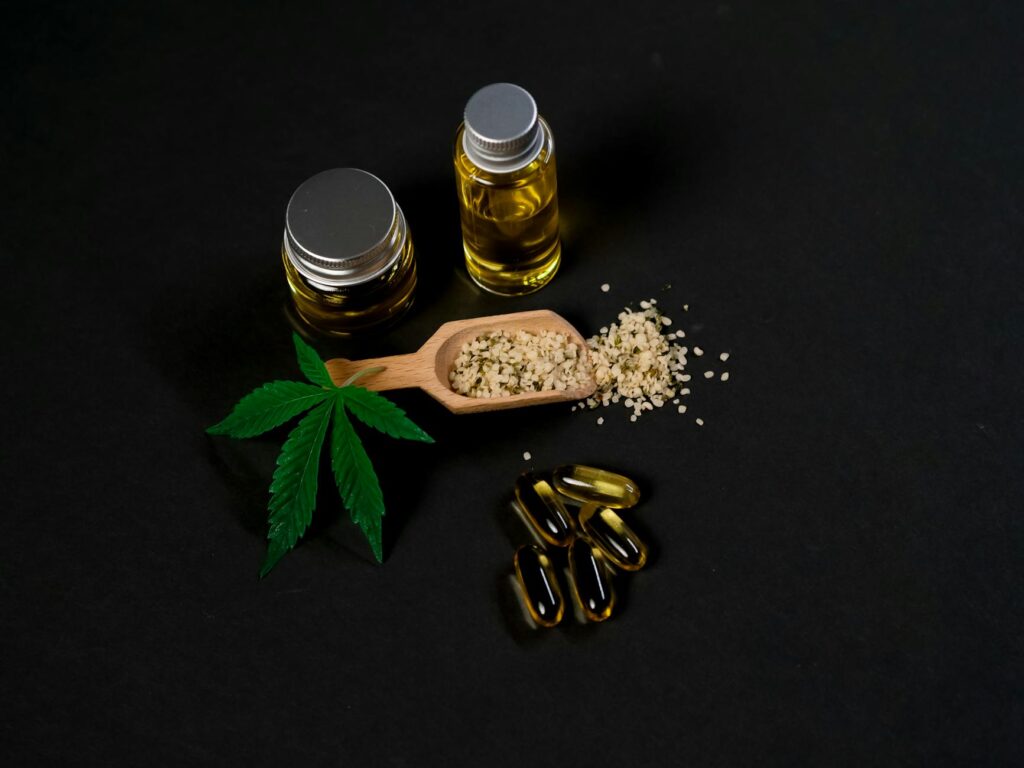
Complete Guide to Hemp Seed Oil Part 5
Introduction
Hemp seed oil, derived from the seeds of the Cannabis sativa plant, has garnered significant attention in recent years due to its diverse range of benefits and applications. As society becomes increasingly aware of natural remedies and sustainable practices, hemp seed oil has emerged as a valuable resource in various fields, including nutrition, skincare, and aromatherapy. This guide aims to explore the intricacies of hemp seed oil, detailing its properties, uses, and considerations for those interested in incorporating it into their daily lives.
What Is Hemp Seed Oil?
Hemp seed oil is extracted through a cold-pressing process that preserves the oil’s nutritional integrity. Unlike CBD oil, which is derived from the flowers and leaves of the hemp plant, hemp seed oil is made exclusively from the seeds. It is rich in essential fatty acids, including omega-3 and omega-6, and is known for its light green color and nutty flavor. It is important to note that hemp seed oil contains minimal amounts of THC (tetrahydrocannabinol), the psychoactive compound associated with marijuana, making it non-intoxicating and safe for consumption.
Key Benefits and Properties
Nutritional Profile
Hemp seed oil is often celebrated for its impressive nutritional profile. It contains a balanced ratio of omega-3 and omega-6 fatty acids, which are essential for maintaining overall health. These fatty acids play a crucial role in brain function, cardiovascular health, and inflammatory responses.
Skin Health
The oil is also known for its skin-nourishing properties. Rich in antioxidants, vitamins (such as vitamin E), and minerals, hemp seed oil can help maintain skin hydration, elasticity, and overall appearance. Its anti-inflammatory properties may assist in soothing conditions like eczema and acne.
Heart Health
Research suggests that the consumption of hemp seed oil may support heart health due to its favorable fatty acid composition. The presence of gamma-linolenic acid (GLA) may help reduce cholesterol levels and promote healthy blood circulation.
Anti-Inflammatory Effects
Hemp seed oil is believed to possess anti-inflammatory properties, which may be beneficial for individuals dealing with chronic inflammatory conditions. The omega fatty acids present in the oil can help modulate the body’s inflammatory responses.
Common Uses
Culinary Applications
Hemp seed oil is an excellent addition to a variety of culinary dishes. It can be used in salad dressings, drizzled over vegetables, or blended into smoothies for a nutritional boost. However, due to its low smoke point, it is not suitable for high-heat cooking methods such as frying.
Skincare Products
With its skin-friendly properties, hemp seed oil is a popular ingredient in many skincare formulations. It can be found in moisturizers, serums, and even hair care products. Its lightweight texture allows for easy absorption, making it suitable for all skin types.
Dietary Supplements
Hemp seed oil is available in supplement form, often marketed as a source of essential fatty acids. It is commonly used to support overall health and wellness, particularly in vegetarian and vegan diets.
Aromatherapy Applications
While hemp seed oil is not an essential oil in the traditional sense, it can serve as a carrier oil in aromatherapy. Carrier oils are used to dilute essential oils before topical application, making them safer for the skin. Hemp seed oil’s nourishing properties make it an excellent choice for this purpose.
Blending with Essential Oils
When blended with essential oils, hemp seed oil can enhance the therapeutic effects of the aromatic compounds. For example, combining it with oils like lavender or tea tree can create soothing blends for skin applications or relaxation.
Massage Therapy
Due to its smooth texture and skin-nourishing properties, hemp seed oil is a popular choice for massage therapists. It allows for easy gliding on the skin while providing hydration and nourishment.
Safety Considerations
Allergies
Before using hemp seed oil, it is essential to consider any potential allergies. Individuals with a known allergy to hemp or other seeds should exercise caution and consult with a knowledgeable professional.
Interactions with Medications
As with any supplement or oil, it is advisable to consult with a healthcare professional before incorporating hemp seed oil into your routine, especially if you are taking medications or have underlying health conditions.
Skin Sensitivity
While hemp seed oil is generally well-tolerated, individuals with sensitive skin should perform a patch test before applying it to larger areas. This can help identify any adverse reactions.
Storage and Shelf Life
Proper storage is crucial to maintaining the quality of hemp seed oil. It should be kept in a cool, dark place, away from direct sunlight and heat to prevent oxidation. When stored correctly, hemp seed oil typically has a shelf life of 6 to 12 months.
Packaging
Hemp seed oil is often sold in dark glass bottles, which help protect it from light exposure. It is advisable to select products in such packaging to ensure maximum freshness.
Frequently Asked Questions
Is hemp seed oil the same as CBD oil?
No, hemp seed oil and CBD oil are different products. Hemp seed oil is extracted from the seeds of the hemp plant, while CBD oil is derived from the flowers and leaves. Hemp seed oil contains negligible amounts of THC and is non-intoxicating.
Can hemp seed oil be used for cooking?
Yes, hemp seed oil can be used in culinary applications, particularly in salad dressings and cold dishes. However, due to its low smoke point, it is not suitable for high-heat cooking.
Is hemp seed oil safe for all skin types?
Hemp seed oil is generally considered safe for all skin types, including sensitive skin. However, it is recommended to perform a patch test to check for any adverse reactions.
How can I incorporate hemp seed oil into my diet?
Hemp seed oil can be added to smoothies, salad dressings, or drizzled over cooked vegetables. It is advisable not to heat the oil to preserve its nutritional properties.
Where can I find high-quality hemp seed oil?
High-quality hemp seed oil can be found in health food stores, specialty shops, and online retailers. Look for products that are cold-pressed and packaged in dark glass bottles to ensure quality.
Conclusion
Hemp seed oil is a versatile and beneficial oil that offers a range of applications, from culinary uses to skincare and aromatherapy. Its rich nutritional profile and skin-nourishing properties make it a valuable addition to any wellness routine. Whether you are interested in enhancing your diet, improving your skincare regimen, or exploring aromatherapy, hemp seed oil provides a natural solution worth considering. As always, it is essential to approach its use with awareness and consideration for individual health needs.