
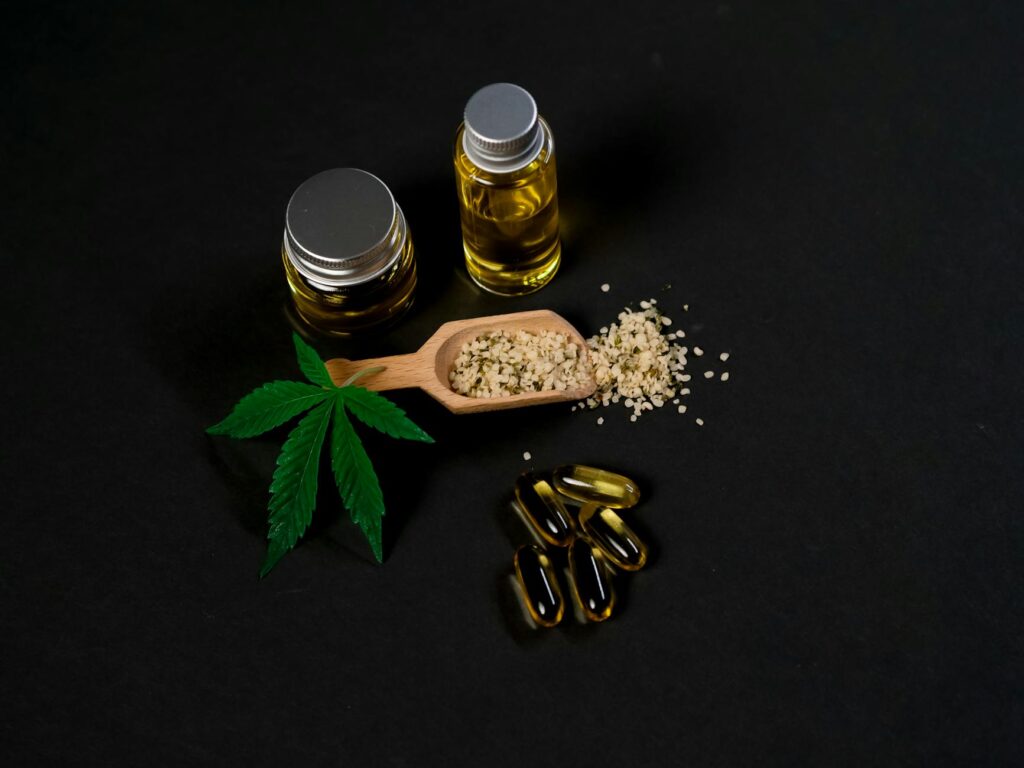
Complete Guide to Hemp Seed Oil Part 6
Introduction
Hemp seed oil has gained recognition in various industries, including cosmetics, food, and wellness. Extracted from the seeds of the hemp plant (Cannabis sativa), this oil is celebrated for its rich nutritional profile and versatile applications. In this guide, we aim to provide a comprehensive overview of hemp seed oil, exploring its properties, benefits, and uses, especially in the realm of aromatherapy.
What Is Hemp Seed Oil?
Hemp seed oil is derived from the seeds of the hemp plant, which is a variety of Cannabis sativa. Unlike CBD oil and THC oil, which are extracted from other parts of the plant and contain psychoactive properties, hemp seed oil is non-psychoactive and does not induce a “high.” The extraction process typically involves cold-pressing the seeds, which preserves the oil’s nutritional value and integrity.
The oil is known for its light green color and nutty flavor, making it a popular choice in culinary applications. Additionally, it contains a unique combination of fatty acids, vitamins, and minerals, which contribute to its various health and wellness benefits.
Key Benefits and Properties
Hemp seed oil is celebrated for its nutritional composition and potential benefits. Here are some key properties:
Nutritional Profile
- Fatty Acids: Rich in essential fatty acids, hemp seed oil contains a balanced ratio of omega-3 and omega-6 fatty acids, which are crucial for maintaining overall health.
- Vitamins and Minerals: The oil is abundant in vitamins such as Vitamin E, C, and B vitamins, as well as essential minerals like magnesium, potassium, and calcium.
- Antioxidants: Hemp seed oil contains antioxidants, which may help combat oxidative stress in the body.
- Salad Dressings: Its nutty flavor makes it an excellent base for salad dressings.
- Smoothies: Hemp seed oil can be added to smoothies for a nutritional boost.
- Baking: It can also be incorporated into baked goods for an additional source of healthy fats.
- Skin Care: Many companies incorporate hemp seed oil into lotions, creams, and serums due to its hydrating properties.
- Hair Care: The oil can be used in hair products to promote shine and moisture.
- Container: Store hemp seed oil in a dark glass or opaque container to protect it from light, which can degrade the oil.
- Temperature: Keep the oil in a cool, dry place, away from direct sunlight and heat sources.
Skin Health
Hemp seed oil is often used in skincare products due to its moisturizing and anti-inflammatory properties. It can help hydrate the skin, improve barrier function, and alleviate symptoms of conditions like eczema and psoriasis.
Heart Health
The omega fatty acids in hemp seed oil may contribute to cardiovascular health by helping to reduce cholesterol levels and improve circulation.
Digestive Health
Hemp seed oil is sometimes included in dietary regimens to promote digestive health due to its fiber content and the presence of beneficial fatty acids.
Common Uses
Hemp seed oil is versatile and can be utilized in various applications:
Culinary Uses
Personal Care
Dietary Supplements
Some individuals choose to consume hemp seed oil in capsule form to take advantage of its nutritional benefits.
Aromatherapy Applications
While hemp seed oil itself is not typically used as an essential oil in aromatherapy, it can serve as a carrier oil for diluting essential oils. Its neutral scent and skin-nourishing properties make it an ideal choice for various aromatherapy applications:
Blending with Essential Oils
Hemp seed oil can be blended with essential oils such as lavender, eucalyptus, or tea tree oil to create soothing massage oils or topical blends. When used as a carrier oil, it helps to dilute the essential oils, making them safer for direct application to the skin.
Skin Applications
When combined with essential oils, hemp seed oil can be applied to the skin for massage or relaxation purposes. Its moisturizing properties enhance the overall experience, promoting soft skin while allowing the therapeutic benefits of the essential oils to penetrate effectively.
Diffusion
While hemp seed oil is not suitable for diffusion, essential oils mixed with carrier oils can help create a calming atmosphere when used in topical applications or aromatic massage.
Safety Considerations
While hemp seed oil is generally regarded as safe for use, there are a few important safety considerations to keep in mind:
Allergies
Individuals with known allergies to hemp or cannabis products should exercise caution and consult with a healthcare professional before using hemp seed oil.
Skin Sensitivity
Although hemp seed oil is typically well-tolerated, it is advisable to perform a patch test before applying it to larger areas of the skin, especially when mixed with essential oils.
Interaction with Medications
Those who are taking medications should consult with a healthcare provider before incorporating hemp seed oil into their routine to ensure there are no potential interactions.
Storage and Shelf Life
Proper storage of hemp seed oil is essential to maintain its quality and freshness:
Storage Guidelines
Shelf Life
When stored properly, hemp seed oil can last for about 6 to 12 months. It is advisable to check for any changes in smell or appearance, as these may indicate spoilage.
Frequently Asked Questions
1. Can hemp seed oil get me high?
No, hemp seed oil is non-psychoactive and does not contain significant levels of THC, the compound responsible for the psychoactive effects of cannabis.
2. Is hemp seed oil safe for all skin types?
Hemp seed oil is generally well-tolerated by most skin types, but individuals with specific allergies or sensitivities should conduct a patch test prior to full application.
3. Can I cook with hemp seed oil?
Yes, hemp seed oil can be used in cooking, particularly in salad dressings or as a finishing oil. However, it is not recommended for high-heat cooking, as excessive heat can degrade its nutritional properties.
4. How do I choose a high-quality hemp seed oil?
Look for cold-pressed, organic hemp seed oil that is stored in dark glass containers. Check for third-party testing to ensure purity and quality.
5. Can hemp seed oil help with my skin condition?
While many people find it beneficial for skin health, individual results may vary. It is best to consult with a qualified healthcare professional for personalized advice.
Conclusion
Hemp seed oil is a versatile and nutrient-rich oil that offers numerous benefits across various applications, from culinary uses to skincare and aromatherapy. As with any oil, understanding its properties, benefits, and safe usage is crucial for maximizing its potential. Whether you are incorporating it into your diet, skincare routine, or aromatherapy practices, hemp seed oil stands out as a beneficial addition to a holistic lifestyle.