
Complete Guide to Hemp Seed Oil Part 6
Introduction
Hemp seed oil has gained significant attention in recent years, not only for its nutritional benefits but also for its versatile applications in various fields, including cosmetics, cooking, and aromatherapy. This guide aims to provide a comprehensive overview of hemp seed oil, exploring its properties, uses, and safety considerations. As we delve into the various aspects of this remarkable oil, it’s essential to approach the information with an understanding of its potential benefits and limitations.
What Is Hemp Seed Oil?
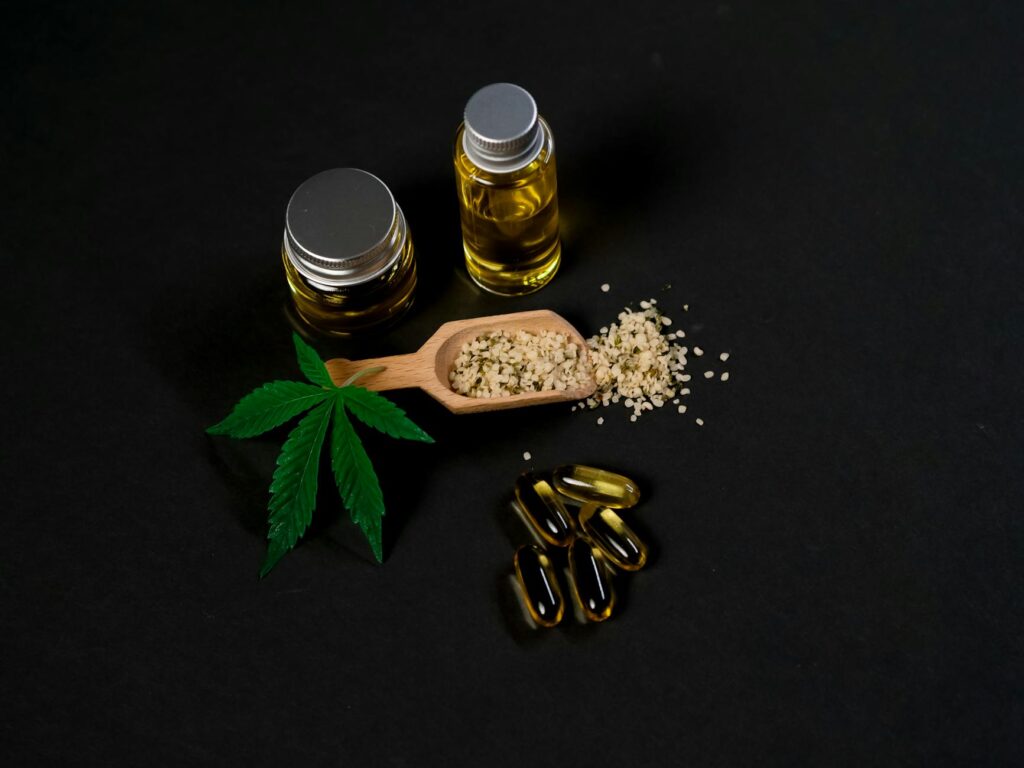
Hemp seed oil is extracted from the seeds of the Cannabis sativa plant, a member of the Cannabaceae family. The oil is cold-pressed from the seeds, which contain a rich profile of nutrients, including essential fatty acids, vitamins, and minerals. Unlike other parts of the hemp plant, hemp seed oil does not contain significant amounts of tetrahydrocannabinol (THC), the psychoactive compound commonly associated with cannabis. As a result, hemp seed oil is non-psychoactive and can be used safely in various applications.
The oil is renowned for its light, nutty flavor, making it a popular choice in culinary contexts. Its unique composition sets it apart from other oils, making it a valuable addition to both health and beauty products.
Key Benefits and Properties
Hemp seed oil boasts a unique nutritional profile that includes:
- Essential Fatty Acids: Hemp seed oil is particularly rich in omega-3 and omega-6 fatty acids, which are crucial for maintaining overall health. The ideal ratio of these fatty acids contributes to cardiovascular health and supports a healthy inflammatory response.
- Vitamins and Minerals: The oil contains vitamins A, C, and E, as well as minerals such as calcium, magnesium, and potassium. These nutrients are essential for various bodily functions and contribute to the oil’s antioxidant properties.
- Protein: Hemp seeds are a complete protein source, containing all nine essential amino acids. This makes hemp seed oil a valuable addition to vegetarian and vegan diets.
- Gamma-Linolenic Acid (GLA): This omega-6 fatty acid is known for its potential anti-inflammatory properties. GLA can support skin health and may play a role in hormonal balance.
- Culinary: The oil’s nutty flavor enhances salad dressings, marinades, and dips. It can also be drizzled over cooked vegetables or used as a finishing oil for dishes. However, it is not suitable for high-heat cooking, as it has a low smoke point.
- Skincare: Due to its moisturizing properties, hemp seed oil is often used in lotions, creams, and serums. It helps maintain the skin’s moisture barrier and may assist in alleviating dryness and irritation.
- Haircare: The oil can be applied to hair as a conditioner or treatment. Its nourishing properties help strengthen hair and add shine.
- Supplements: Hemp seed oil is available in capsule form, providing an easy way to incorporate its benefits into a daily regimen.
- Skin Applications: Mix hemp seed oil with essential oils like lavender, tea tree, or frankincense for topical applications. This combination can be beneficial for skin conditions, providing nourishment and soothing effects.
- Massage Oil: Hemp seed oil serves as an excellent base for massage blends. Its smooth texture allows for easy application and glide, while its nourishing properties support skin health.
- Diffusion: While hemp seed oil does not have a strong aromatic profile, it can be used in conjunction with essential oils in a diffuser to create a therapeutic environment. The calming effects of essential oils can be complemented by the grounding nature of hemp seed oil.
- Allergic Reactions: Individuals with allergies to hemp or related plants may experience adverse reactions. It is advisable to perform a patch test before using it on a larger area of the skin.
- Interactions: While hemp seed oil is typically safe for consumption, it may interact with certain medications. Individuals taking medications, especially those that affect blood clotting, should consult a healthcare professional before incorporating hemp seed oil into their routine.
- Quality Matters: The quality of hemp seed oil can vary significantly based on the extraction method and source. Choosing cold-pressed, organic oil from reputable brands can help ensure the highest quality and purity.
- Storage Conditions: Hemp seed oil should be stored in a cool, dark place, away from direct sunlight and heat. Exposure to light and heat can lead to oxidation, reducing the oil’s nutritional value and flavor.
- Container: Ideally, the oil should be stored in dark glass bottles, which help protect it from light exposure.
- Shelf Life: When stored correctly, hemp seed oil typically has a shelf life of about 6 to 12 months. It is advisable to check for any off smells or changes in appearance before use, as these can indicate spoilage.
The combination of these properties makes hemp seed oil a versatile ingredient in various applications, from skincare to dietary supplementation.
Common Uses
Hemp seed oil finds its way into many aspects of daily life. Some of the most common uses include:
Aromatherapy Applications
While hemp seed oil is not an essential oil, it can still be used in aromatherapy, particularly as a carrier oil. When blended with essential oils, it can enhance the absorption of therapeutic compounds through the skin. Here are some ways to use hemp seed oil in aromatherapy:
Safety Considerations
Although hemp seed oil is generally considered safe for most people, there are some important safety considerations:
Storage and Shelf Life
Proper storage is essential to maintain the integrity and freshness of hemp seed oil:
Frequently Asked Questions
1. Is hemp seed oil the same as CBD oil?
No, hemp seed oil is extracted from the seeds of the hemp plant and does not contain significant levels of cannabinoids such as CBD or THC. CBD oil is derived from the flowers and leaves of the hemp plant and may contain varying levels of cannabinoids.
2. Can I cook with hemp seed oil?
Hemp seed oil is suitable for low-heat cooking and as a finishing oil due to its rich flavor. However, it is not recommended for high-heat cooking methods, as it has a low smoke point.
3. Is hemp seed oil safe for all skin types?
Hemp seed oil is generally safe for all skin types, including sensitive skin. However, conducting a patch test is advisable to rule out any allergic reactions.
4. Can I use hemp seed oil during pregnancy?
While hemp seed oil is considered safe for general use, pregnant individuals should consult a healthcare professional before adding it to their diet or skincare routine.
5. Where can I buy high-quality hemp seed oil?
High-quality hemp seed oil can be found in health food stores, specialty grocery stores, and online retailers. Look for organic, cold-pressed options for the best quality.
Conclusion
Hemp seed oil is a versatile and nutrient-rich oil that offers a wide range of benefits and applications. Whether used in cooking, skincare, or aromatherapy, its unique properties make it a valuable addition to various lifestyles. By understanding its benefits, uses, and safety considerations, individuals can make informed decisions about incorporating hemp seed oil into their daily routines. As with any product, quality matters, and opting for reputable sources will ensure the best results.