
Complete Guide to Hemp Seed Oil Part 6
Introduction
Hemp seed oil has garnered attention in recent years due to its rich nutrient profile and versatile applications. Extracted from the seeds of the Cannabis sativa plant, this oil is distinct from other cannabis-derived products, such as CBD oil, as it contains minimal to no THC, the psychoactive compound associated with marijuana. This guide delves into the properties, benefits, and common uses of hemp seed oil, particularly in the context of aromatherapy and holistic wellness.
What Is Hemp Seed Oil?
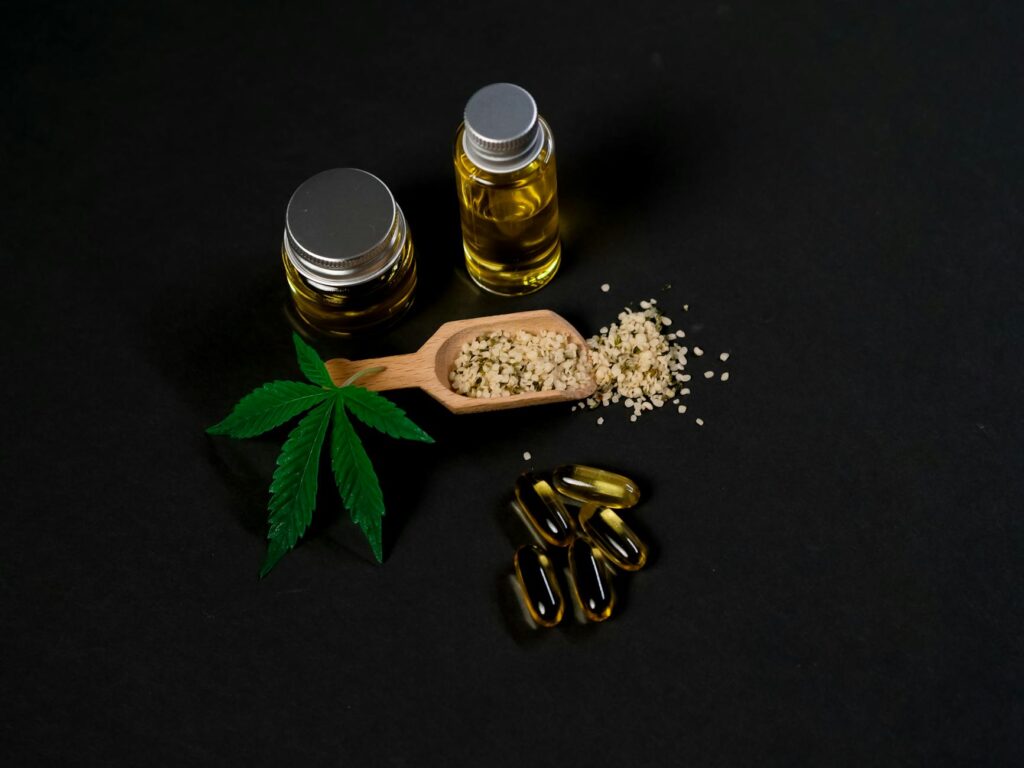
Hemp seed oil is cold-pressed from the seeds of the hemp plant, which are small, dark seeds that are rich in essential fatty acids, vitamins, and minerals. Unlike the flowers and leaves of the hemp plant, which are used to produce CBD oil, hemp seed oil is derived solely from the seeds and does not contain significant amounts of cannabinoids. Its extraction process preserves the oil’s nutritional content, making it a popular choice for culinary, cosmetic, and therapeutic applications.
Composition
Hemp seed oil is predominantly composed of polyunsaturated fatty acids, with a notable balance of omega-3 and omega-6 fatty acids. It also contains gamma-linolenic acid (GLA), which is known for its anti-inflammatory properties. Other components include vitamins E and D, phytosterols, and antioxidants, contributing to its overall health benefits.
Key Benefits and Properties
Hemp seed oil is celebrated for its numerous benefits, which stem from its unique composition:
1. Nutrient-Rich: The oil is a powerhouse of essential fatty acids, including linoleic (omega-6) and alpha-linolenic (omega-3) acids, which are vital for maintaining overall health.
2. Moisturizing: Its emollient properties make it an excellent moisturizer for skin and hair, helping to retain moisture and improve skin barrier function.
3. Anti-Inflammatory: The presence of GLA provides hemp seed oil with anti-inflammatory effects, which may help in soothing skin irritations and conditions.
4. Antioxidant Properties: The antioxidants in hemp seed oil can help neutralize free radicals, potentially reducing oxidative stress and promoting overall skin health.
5. Hormonal Balance: Some studies suggest that GLA may support hormonal balance, particularly in women, which can aid in alleviating symptoms of PMS and menopause.
Common Uses
Hemp seed oil is versatile and can be used in various applications, including:
Culinary Uses
Hemp seed oil has a nutty flavor that enhances salads, dressings, and smoothies. It is best used in cold dishes, as high temperatures can degrade its nutritional content. The oil can also be used as a finishing oil to drizzle over cooked dishes for added flavor and nutrition.
Skincare
Hemp seed oil is a popular ingredient in skincare products. Its moisturizing and anti-inflammatory properties make it suitable for all skin types, including sensitive and acne-prone skin. It is often found in lotions, creams, and serums.
Haircare
In hair care, hemp seed oil is used to nourish and strengthen hair, adding shine and reducing frizz. It can be applied directly to the hair or incorporated into shampoos and conditioners.
Supplements
Hemp seed oil is available in capsule form as a dietary supplement, providing an easy way to incorporate its benefits into one’s routine.
Aromatherapy Applications
While hemp seed oil is not an essential oil, it can be used in aromatherapy as a carrier oil. Carrier oils dilute essential oils, making them safe for topical application. Hemp seed oil’s nourishing properties make it an excellent choice for blending with essential oils during massages or skin applications.
Blending with Essential Oils
Hemp seed oil pairs well with a variety of essential oils, including:
- Lavender: Known for its calming properties, lavender essential oil can enhance relaxation when blended with hemp seed oil for massage.
- Tea Tree: With its antibacterial properties, tea tree oil can be combined with hemp seed oil for skin application to help with blemishes.
- Peppermint: The invigorating scent of peppermint essential oil can be mixed with hemp seed oil for a refreshing massage experience.
- Allergic Reactions: Individuals with allergies to hemp or other seeds should exercise caution and consult with a healthcare professional before use.
- Skin Sensitivity: Although hemp seed oil is often well-tolerated, it’s advisable to conduct a patch test before applying it extensively to ensure there is no adverse reaction.
- Dietary Supplements: Those considering hemp seed oil supplements should consult a healthcare provider, especially if they are pregnant, nursing, or have underlying health conditions.
Diffusion
Though hemp seed oil itself is not typically used in diffusers, it can be blended with essential oils and used in oil burners to create a soothing atmosphere. The oil can also be added to bathwater for a relaxing soak.
Safety Considerations
Hemp seed oil is generally recognized as safe for most people when used appropriately. However, there are several considerations to keep in mind:
Storage and Shelf Life
Proper storage is crucial for maintaining the quality of hemp seed oil. It should be kept in a cool, dark place, away from direct sunlight and heat sources. The oil is best stored in a dark glass bottle, which helps protect it from light degradation.
Shelf Life
When stored correctly, hemp seed oil has a shelf life of approximately 6 to 12 months. Signs of rancidity include an off smell or taste, indicating that the oil should not be consumed. Always check the expiration date and use the oil within a reasonable timeframe for optimal benefits.
Frequently Asked Questions
1. Is hemp seed oil the same as CBD oil?
No, hemp seed oil is derived from the seeds of the hemp plant and contains minimal to no cannabinoids, including CBD. CBD oil is extracted from the flowers and leaves of the hemp plant and contains higher levels of cannabinoids.
2. Can I use hemp seed oil on my face?
Yes, hemp seed oil is often used in skincare products and can be applied to the face. Its moisturizing and non-comedogenic properties make it suitable for various skin types.
3. Is hemp seed oil safe for cooking?
Hemp seed oil is best used in cold dishes due to its low smoke point, which can cause it to degrade at high temperatures. It is excellent for salad dressings, dips, and as a finishing oil.
4. Can I use hemp seed oil for hair care?
Yes, hemp seed oil can be beneficial for hair care. It helps nourish and strengthen hair, adding moisture and shine. It can be applied directly or used in hair products.
5. Where can I buy hemp seed oil?
Hemp seed oil is widely available in health food stores, online retailers, and specialty shops. When purchasing, look for cold-pressed, organic options for the best quality.
Conclusion
Hemp seed oil is a versatile and nutrient-rich oil that offers numerous benefits for culinary, skincare, and holistic applications. Its unique composition makes it an excellent addition to both dietary and topical routines. With proper storage and usage, hemp seed oil can be a valuable asset in promoting overall well-being. As with any product, it is essential to approach its use mindfully and in consultation with a knowledgeable source when needed.