
Complete Guide to Hemp Seed Oil Part 7
Introduction
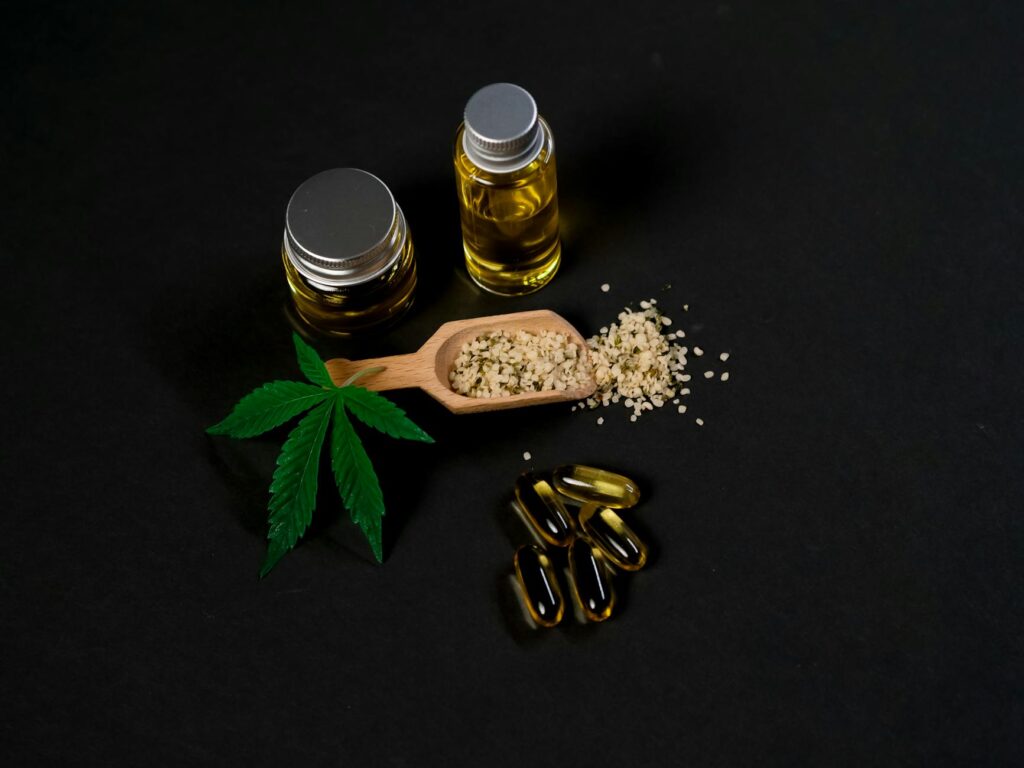
Hemp seed oil, derived from the seeds of the Cannabis sativa plant, has gained significant attention for its diverse range of benefits and applications. Unlike its more controversial counterpart, CBD oil, hemp seed oil is primarily used for its nutritional and cosmetic properties. This article explores the characteristics, benefits, and various applications of hemp seed oil, providing a comprehensive understanding of this versatile oil.
What Is Hemp Seed Oil?
Hemp seed oil is extracted from the seeds of the hemp plant, which is a variety of Cannabis sativa cultivated specifically for its seeds and fiber. The oil is cold-pressed to retain its beneficial properties and is characterized by a light green color and a nutty flavor. It is rich in essential fatty acids, including omega-3 and omega-6, and is a source of vitamins and minerals, making it a popular choice for health and wellness enthusiasts.
Extraction Process
The extraction of hemp seed oil typically involves a cold-pressing method, where seeds are mechanically pressed without the use of heat. This process preserves the oil’s nutritional profile, including essential fatty acids, antioxidants, and other beneficial compounds. The result is a high-quality oil that is both edible and usable in cosmetic applications.
Key Benefits and Properties
Hemp seed oil boasts a variety of properties that contribute to its popularity:
Nutritional Value
- Essential Fatty Acids: Hemp seed oil is composed of approximately 80% fatty acids, including linoleic (omega-6) and alpha-linolenic (omega-3) acids. These fatty acids are essential for maintaining overall health and supporting bodily functions.
- Vitamins and Minerals: The oil contains vitamin E, which acts as an antioxidant, and a range of minerals, including magnesium, potassium, and phosphorus.
- Moisturizing: The oil is an effective moisturizer that can penetrate the skin without clogging pores, making it suitable for various skin types, including oily and acne-prone skin.
- Anti-Inflammatory: The omega fatty acids present in hemp seed oil can help reduce inflammation and soothe irritated skin.
- Strengthening: It can help strengthen hair and promote shine, making it a common ingredient in shampoos and conditioners.
- Scalp Health: The oil may help alleviate dryness and irritation on the scalp, promoting a healthier environment for hair growth.
- Cooking Oil: Due to its low smoke point, hemp seed oil is best used in salad dressings, dips, and for drizzling over cooked dishes rather than for frying.
- Nutritional Supplement: It can be taken as a dietary supplement to enhance overall nutrition, providing a source of essential fatty acids.
- Skincare: It is a popular ingredient in lotions, creams, and serums due to its moisturizing and nourishing properties.
- Haircare: Many hair products incorporate hemp seed oil for its ability to add moisture and shine.
- Textiles and Paper: Beyond personal care, hemp seed oil is also used in industrial applications, including the production of biodegradable plastics, textiles, and paper.
- Relaxation: Blending hemp seed oil with lavender or chamomile essential oil can create a calming massage oil.
- Skin Nourishment: Combining it with tea tree or frankincense essential oil may enhance its skin-healing properties.
- Massage: Hemp seed oil can be used in massage therapy, offering both therapeutic and moisturizing benefits.
- Diffusion: When mixed with essential oils and used in a diffuser, it can help create a soothing atmosphere.
- Cool, Dark Place: Store hemp seed oil in a cool, dark place away from direct sunlight and heat sources to prevent oxidation.
- Refrigeration: For extended shelf life, consider refrigerating the oil after opening. This helps retain its freshness and nutritional properties.
Skin Health
Hemp seed oil is widely recognized for its dermatological benefits:
Hair Care
The nourishing properties of hemp seed oil extend to hair care:
Common Uses
Hemp seed oil is versatile and can be used in various applications:
Culinary Applications
Cosmetic Products
Industrial Uses
Aromatherapy Applications
While hemp seed oil is not primarily used as an essential oil in aromatherapy, it can serve as a carrier oil for diluting essential oils. Its light texture and neutral scent make it an excellent choice for this purpose.
Blending with Essential Oils
When used in combination with essential oils, hemp seed oil can enhance the therapeutic benefits of the oils. Some common blends include:
Application Methods
Safety Considerations
While hemp seed oil is generally considered safe for most individuals, there are some considerations to keep in mind:
Allergies
Although rare, some individuals may have an allergic reaction to hemp seed oil. It is advisable to perform a patch test before applying it to larger areas of the skin.
Interactions
Hemp seed oil does not commonly interact with medications, but it is always best to consult a healthcare provider if you have concerns, especially if you are pregnant, nursing, or taking medications.
Storage and Shelf Life
To maintain the quality of hemp seed oil, proper storage is essential:
Storage Conditions
Shelf Life
When stored properly, hemp seed oil typically has a shelf life of about 6 to 12 months. Always check for signs of rancidity, such as an off smell or flavor, before use.
Frequently Asked Questions
Is hemp seed oil the same as CBD oil?
No, hemp seed oil is derived from the seeds of the hemp plant and does not contain significant amounts of CBD or THC. CBD oil is extracted from the flowers and leaves and is associated with different effects and uses.
Can hemp seed oil be used for cooking?
Yes, hemp seed oil can be used in culinary applications, but it is best suited for low-heat cooking or as a finishing oil due to its low smoke point.
Is hemp seed oil safe for all skin types?
Hemp seed oil is generally safe for most skin types, including oily and acne-prone skin. However, it is advisable to perform a patch test if you have sensitive skin or allergies.
How can I incorporate hemp seed oil into my routine?
Hemp seed oil can be incorporated into your skincare routine as a moisturizer or serum, added to hair products for added shine, or used in culinary dishes for its nutritional benefits.
Can I use hemp seed oil in aromatherapy?
Yes, while not an essential oil, hemp seed oil can be used as a carrier oil in aromatherapy to dilute essential oils for topical application or to enhance the scent in diffusion.
Conclusion
Hemp seed oil is a versatile oil with a wide range of applications in culinary, cosmetic, and industrial fields. With its rich nutritional profile and beneficial properties for skin and hair, it has become an essential ingredient in many health and wellness products. By understanding its benefits and uses, individuals can make informed choices about incorporating hemp seed oil into their lifestyles.