
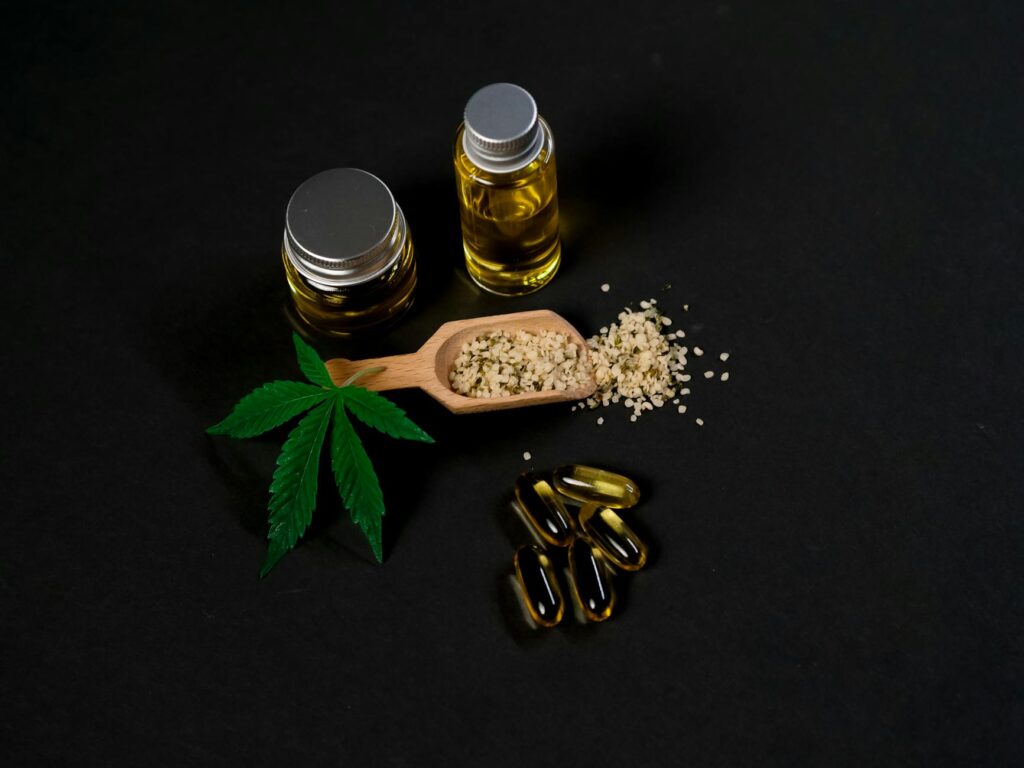
Complete Guide to Hemp Seed Oil
Introduction
Hemp seed oil, derived from the seeds of the Cannabis sativa plant, has gained significant popularity in recent years due to its numerous health benefits and versatile applications. Unlike CBD oil, which is extracted from the flowers and leaves of the hemp plant, hemp seed oil is pressed from the seeds and does not contain significant amounts of cannabinoids. This article aims to provide an in-depth look at hemp seed oil, exploring its benefits, uses, and safety considerations.
What Is Hemp Seed Oil?
Hemp seed oil is a cold-pressed oil made from the seeds of the hemp plant. These seeds are rich in essential fatty acids, vitamins, and minerals, making the oil a highly nutritious addition to various products. The oil has a light green color and a nutty flavor, making it suitable for culinary uses as well as topical applications.
It is important to note that hemp seed oil does not have psychoactive properties. The seeds contain only trace amounts of tetrahydrocannabinol (THC), the compound responsible for the psychoactive effects associated with cannabis. Thus, hemp seed oil is considered safe for consumption and use in various applications.
Key Benefits and Properties
Hemp seed oil is celebrated for its rich nutritional profile, which includes:
- Essential Fatty Acids: Hemp seed oil is a rich source of omega-3 and omega-6 fatty acids, which are essential for maintaining overall health. These fatty acids play a crucial role in heart health, brain function, and inflammatory response.
- Vitamins and Minerals: The oil contains vitamins such as E, A, and D, as well as minerals like magnesium, potassium, and calcium. These nutrients contribute to various bodily functions, including skin health and immune support.
- Antioxidant Properties: Hemp seed oil contains antioxidants that can help neutralize free radicals in the body, potentially reducing oxidative stress and promoting overall well-being.
- Moisturizing and Nourishing: The oil is easily absorbed by the skin, making it an excellent moisturizer. Its nourishing properties help improve skin elasticity and hydration.
- Allergic Reactions: Although rare, some individuals may experience allergic reactions to hemp seed oil. It is advisable to perform a patch test before using it on larger areas of the skin.
- Pregnancy and Breastfeeding: While hemp seed oil is often considered safe, pregnant and breastfeeding individuals should consult a healthcare professional before incorporating it into their diet or skincare routine.
- Medication Interactions: Hemp seed oil may interact with certain medications. Those taking medication or with specific health concerns should consult a healthcare provider before use.
- Storage Conditions: Hemp seed oil should be stored in a cool, dark place to prevent oxidation. Exposure to light and heat can degrade the oil and shorten its shelf life.
- Container: It is best to store hemp seed oil in a dark glass bottle to minimize light exposure. If stored in a plastic container, ensure it is food-safe and BPA-free.
- Shelf Life: When stored properly, hemp seed oil typically has a shelf life of around 9 to 12 months. Always check for signs of rancidity, such as an off smell or flavor, before use.
Common Uses
Hemp seed oil is used in various applications, including:
Culinary Uses
Hemp seed oil has a unique nutty flavor that enhances the taste of various dishes. It is often used in salad dressings, dips, and marinades. Due to its low smoke point, it is not recommended for high-heat cooking methods like frying, but it can be drizzled over cooked dishes or blended into smoothies.
Skin Care
The moisturizing properties of hemp seed oil make it a popular ingredient in skincare products. It can be found in creams, lotions, and serums designed to hydrate the skin, reduce inflammation, and improve overall skin texture.
Hair Care
Hemp seed oil is often included in hair care products due to its ability to nourish and strengthen hair. It can help improve scalp health and add shine to hair.
Dietary Supplements
Many people incorporate hemp seed oil into their diets as a supplement, either by consuming it directly or using it in various recipes. Its balanced ratio of omega-3 to omega-6 fatty acids makes it a valuable addition to a healthy diet.
Aromatherapy Applications
While hemp seed oil is not an essential oil, it can be used in aromatherapy as a carrier oil. Carrier oils are used to dilute essential oils before topical application. Hemp seed oil’s light texture and nourishing properties make it an excellent choice for blending with essential oils.
Blending with Essential Oils
When using hemp seed oil in aromatherapy, consider blending it with essential oils that complement its properties. For example, lavender essential oil can enhance relaxation, while tea tree oil may offer additional skin benefits. Always perform a patch test before using any new blend on the skin.
Massage
Hemp seed oil can be used as a base for massage oils. Its moisturizing properties allow for smooth application, while its nourishing components can benefit the skin during the massage process.
Safety Considerations
Hemp seed oil is generally considered safe for most people when used appropriately. However, there are a few safety considerations to keep in mind:
Storage and Shelf Life
To maintain the quality of hemp seed oil, proper storage is crucial. Here are some guidelines:
Frequently Asked Questions
1. Is hemp seed oil the same as CBD oil?
No, hemp seed oil is not the same as CBD oil. Hemp seed oil is derived from the seeds of the hemp plant and does not contain significant amounts of cannabinoids like CBD. In contrast, CBD oil is extracted from the flowers and leaves of the plant and may contain higher concentrations of CBD.
2. Can I use hemp seed oil on my face?
Yes, hemp seed oil can be used on the face as a moisturizer or as part of a skincare routine. Its non-comedogenic nature means it is unlikely to clog pores, making it suitable for various skin types.
3. How should I incorporate hemp seed oil into my diet?
Hemp seed oil can be drizzled over salads, added to smoothies, or used in dips and sauces. However, it is best not to heat the oil, as high temperatures can affect its nutritional properties.
4. Is hemp seed oil safe for children?
Hemp seed oil is generally considered safe for children. However, as with any new food or product, it is advisable to consult with a healthcare professional before introducing it to a child’s diet or skincare routine.
5. Can I use hemp seed oil as a carrier oil for essential oils?
Yes, hemp seed oil can be used as a carrier oil for diluting essential oils before topical application. Its light texture and nourishing properties make it a suitable choice for blending.
Conclusion
Hemp seed oil is a versatile and nutrient-rich oil that offers numerous benefits for both culinary and topical applications. Its unique composition of essential fatty acids, vitamins, and minerals makes it a valuable addition to a healthy lifestyle. Whether used in cooking, skincare, or aromatherapy, hemp seed oil can enhance overall well-being. As with any product, it is essential to use it responsibly and be aware of individual sensitivities.