
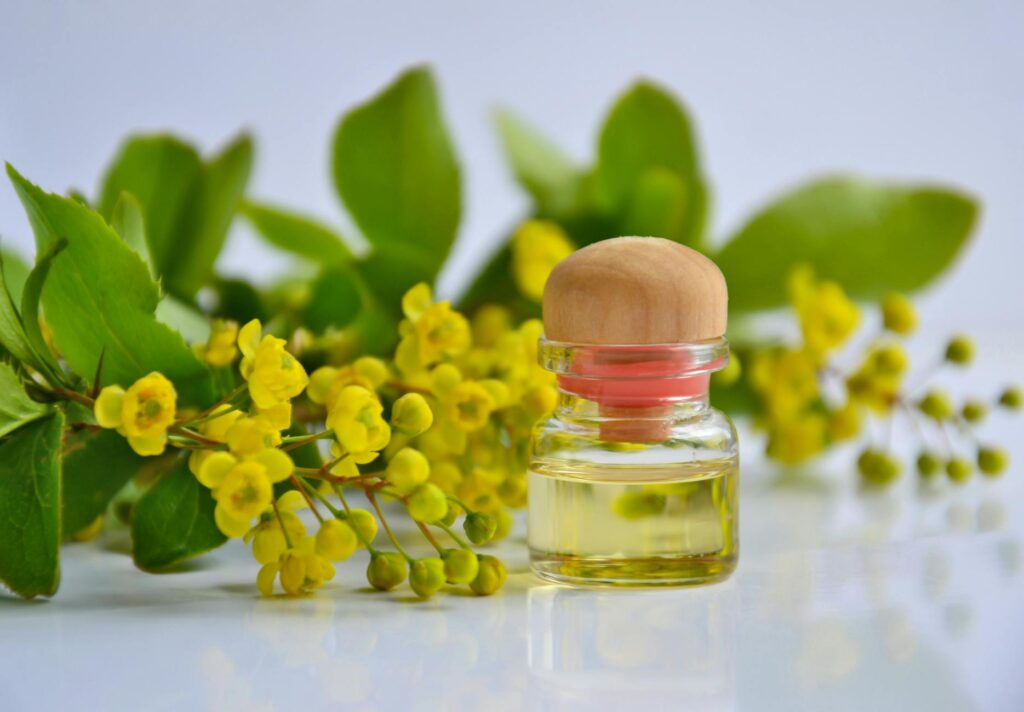
Complete Guide to Herbaceous Hydrosols
Introduction
Hydrosols, often referred to as floral waters, are a byproduct of the steam distillation process used to extract essential oils from plants. While essential oils capture the concentrated essence of a plant’s aromatic compounds, hydrosols contain a more diluted version of these constituents, along with a profile of water-soluble components. Among the various types of hydrosols, herbaceous hydrosols are derived from the leaves, stems, and flowers of herbaceous plants—those that have soft, non-woody stems. This guide explores the characteristics, benefits, and applications of herbaceous hydrosols, providing a comprehensive overview for enthusiasts and practitioners alike.
What Is Herbaceous Hydrosols?
Herbaceous hydrosols are aqueous solutions obtained during the steam distillation of herbs and plants with soft stems. Unlike essential oils, which are highly concentrated and potent, hydrosols offer a gentler and more versatile option for those interested in the benefits of plant-based aromas and properties. Common examples of herbaceous hydrosols include:
- Lavender Hydrosol (Lavandula angustifolia)
- Rosemary Hydrosol (Rosmarinus officinalis)
- Basil Hydrosol (Ocimum basilicum)
- Thyme Hydrosol (Thymus vulgaris)
- Antimicrobial Properties: Many herbaceous hydrosols have natural antimicrobial characteristics, which can help purify and cleanse environments.
- Anti-inflammatory Effects: Some hydrosols may help soothe irritated skin or reduce inflammation when applied topically.
- Aromatic Qualities: The subtle scents of herbaceous hydrosols can create a calming atmosphere, enhancing emotional well-being.
- Hydration: Being water-based, hydrosols can provide hydration to the skin and hair, making them popular in skincare routines.
- Facial Toners: Many people use hydrosols as natural facial toners, applying them after cleansing to refresh and hydrate the skin.
- Room Sprays: Herbaceous hydrosols can be used as natural air fresheners, providing a gentle fragrance throughout living spaces.
- Skin Care: They are often included in lotions, creams, and serums for their skin-soothing properties.
- Hair Care: Spritzing hydrosols onto hair can help hydrate and refresh, leaving it with a pleasant aroma.
- Bath Additives: Adding hydrosols to bathwater can create a relaxing and aromatic experience.
- Inhalation: Inhaling the aroma of a hydrosol can evoke calming or uplifting emotions. Simply spritzing it into the air or into a diffuser can enhance the atmosphere of a room.
- Massage: Diluting herbaceous hydrosols in a carrier oil can provide a soothing massage experience, marrying the benefits of both the hydrosol and the massage technique.
- Meditation: Incorporating hydrosols into meditation practices can enhance focus and relaxation, helping to create a serene environment.
- Skin Sensitivity: Conduct a patch test before using a hydrosol on the skin to check for any allergic reactions or sensitivities.
- Quality Matters: Ensure that you purchase hydrosols from reputable sources to guarantee their purity and quality.
- Pregnancy and Nursing: Pregnant or nursing individuals should consult with a healthcare professional before using hydrosols, as some plants may not be suitable during these periods.
- Children and Pets: When using hydrosols around children or pets, it is advisable to use caution and consult relevant guidelines to ensure safety.
- Containers: Store hydrosols in dark glass bottles to protect them from light exposure, which can degrade the quality over time.
- Cool, Dark Place: Keep hydrosols in a cool, dark location, away from direct sunlight and heat sources.
- Shelf Life: While hydrosols generally have a shelf life of 1 to 3 years, their longevity can be influenced by factors such as storage conditions and the specific plant used. It is recommended to check for any changes in color, scent, or clarity before use.
These hydrosols retain many of the aromatic and therapeutic qualities of their source plants, making them appealing for various applications in everyday life.
Key Benefits and Properties
Herbaceous hydrosols are valued for their unique properties, which stem from the plant materials used in their production. They often contain a range of beneficial compounds, including:
While herbaceous hydrosols exhibit these beneficial properties, it is important to note that they are not a substitute for medical treatments or professional healthcare advice.
Common Uses
Herbaceous hydrosols are versatile and can be used in a variety of ways:
Aromatherapy Applications
In the realm of aromatherapy, herbaceous hydrosols serve as a gentler alternative to essential oils. They can be used in various applications, including:
Safety Considerations
While herbaceous hydrosols are generally considered safe for most uses, there are some important safety considerations to keep in mind:
Storage and Shelf Life
Proper storage is essential to maintain the quality of herbaceous hydrosols:
Frequently Asked Questions
1. What is the difference between essential oils and hydrosols?
Essential oils are concentrated extracts obtained from plants through distillation, while hydrosols are the aromatic water produced during this process. Hydrosols contain a lower concentration of aromatic compounds and may also include water-soluble plant constituents.
2. Can I use hydrosols in food?
Some herbaceous hydrosols are safe for culinary use, such as basil or rosemary hydrosol. However, it is crucial to ensure that the hydrosols are food-grade and sourced from reputable suppliers.
3. Are hydrosols safe for sensitive skin?
Most hydrosols are gentle and suitable for sensitive skin, but it is always advisable to perform a patch test before applying them more broadly.
4. How can I incorporate hydrosols into my skincare routine?
Hydrosols can be used as a facial toner, mixed into creams or serums, or spritzed directly onto the skin for hydration and refreshment.
5. Can hydrosols be used with essential oils?
Yes, hydrosols can complement essential oils, providing a milder aroma and additional benefits. They can be mixed in formulations for skincare or used in diffusers.
—
Herbaceous hydrosols offer a unique and versatile way to harness the benefits of aromatic plants. With their gentle properties and wide range of applications, they can enrich daily routines, promote well-being, and enhance the overall environment. By understanding their uses and characteristics, one can effectively integrate these delightful plant waters into a holistic lifestyle.