
Complete Guide to Herbal Anti-Inflammatory Essential Oil Blends
Introduction
In recent years, essential oils and aromatherapy have gained significant popularity as natural alternatives for health and wellness. Among the myriad of benefits attributed to essential oils, their anti-inflammatory properties stand out. This guide explores herbal anti-inflammatory essential oil blends, providing insights into their benefits, common uses, and safety considerations.
What Is Herbal Anti-Inflammatory Essential Oil Blends?
Herbal anti-inflammatory essential oil blends are mixtures of concentrated plant extracts known for their ability to reduce inflammation. Inflammation is a natural response by the body to injury or infection, but chronic inflammation can lead to various health issues. Essential oils derived from plants possess unique chemical compounds that can help modulate inflammatory responses.
Common essential oils used in these blends include:
- Lavender (Lavandula angustifolia): Known for its calming properties, lavender also contains compounds with anti-inflammatory effects.
- Eucalyptus (Eucalyptus globulus): Often used for respiratory issues, eucalyptus oil can help soothe inflammation in the airways.
- Peppermint (Mentha piperita): This oil provides a cooling sensation and may help alleviate inflammation and discomfort.
- Tea Tree (Melaleuca alternifolia): Renowned for its antimicrobial properties, tea tree oil also exhibits anti-inflammatory effects.
- Massage Therapy: Incorporating these blends into massage oil can enhance the therapeutic effects, targeting sore muscles or joints.
- Diffusion: Using a diffuser to disperse the oils into the air can create a calming environment while providing respiratory benefits.
- Topical Application: Diluting essential oils with carrier oils (such as coconut or jojoba oil) allows for safe application on the skin to address localized inflammation.
- Bathing: Adding a few drops of these blends to bath water can provide a soothing, full-body experience.
- Steam Inhalation: Inhaling steam infused with essential oils can help alleviate respiratory inflammation and promote relaxation.
- Inhalation: Direct inhalation of essential oils can provide immediate relief. Place a few drops on a cotton ball or in a bowl of hot water, and inhale the steam.
- Massage: Create a personalized massage oil by blending anti-inflammatory oils with a carrier oil. This can be applied to sore areas for both relaxation and pain relief.
- Bathing Rituals: A warm bath infused with anti-inflammatory essential oils can soothe sore muscles and promote overall well-being.
- Diffusion: Using a diffuser, combine several essential oils to create a calming atmosphere. This can be beneficial for relaxation and mental clarity.
- Cool, Dark Place: Store oils in a cool, dark area away from direct sunlight, as light and heat can degrade their quality.
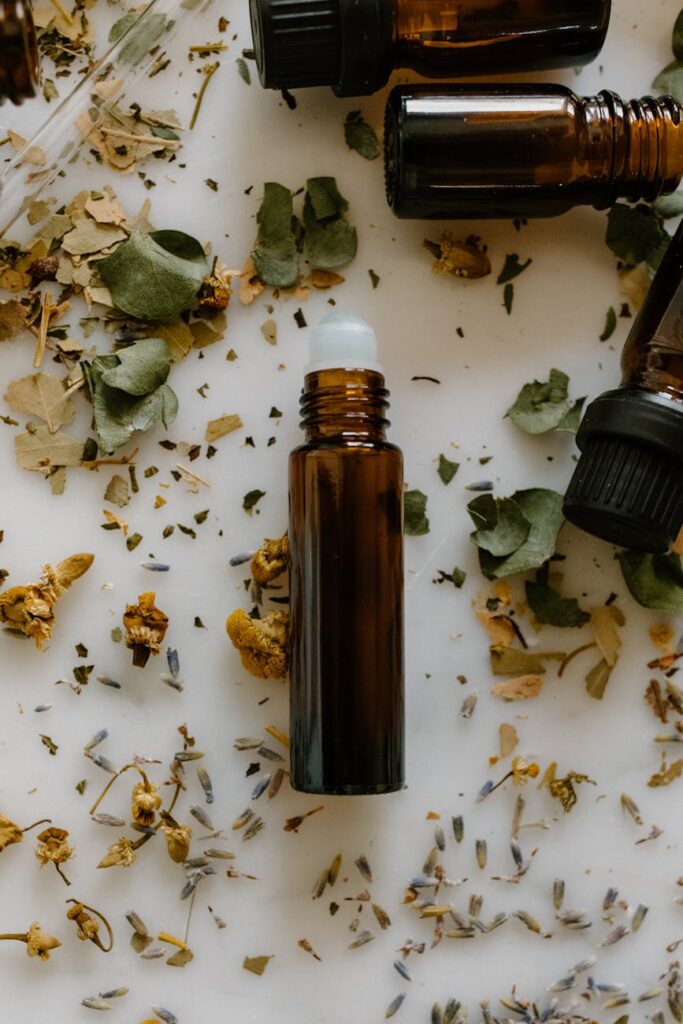
- Tightly Sealed Containers: Use dark glass bottles with tight seals to minimize exposure to air, which can also affect the oils’ stability.
- Shelf Life: Generally, essential oils have a shelf life of 1 to 3 years, depending on the oil. Citrus oils tend to have shorter shelf lives, while oils like patchouli and sandalwood can last longer.
When blended appropriately, these oils can create synergistic effects, enhancing their overall efficacy.
Key Benefits and Properties
Herbal anti-inflammatory essential oil blends offer several potential benefits:
1. Reduction of Inflammation: The primary advantage of these blends is their ability to mitigate inflammation, which can help alleviate discomfort and promote healing.
2. Pain Relief: Many essential oils possess analgesic properties, providing relief from pain associated with inflammation.
3. Improved Mood: The aromatic properties of essential oils can enhance mood and create a calming atmosphere, which may indirectly support the body’s healing processes.
4. Antimicrobial Effects: Some oils, like tea tree, possess antibacterial and antifungal properties, which can help prevent infections that exacerbate inflammation.
5. Respiratory Support: Oils like eucalyptus can help open airways and reduce respiratory inflammation, aiding in deeper, easier breathing.
Common Uses
Herbal anti-inflammatory essential oil blends can be utilized in various settings, including:
Aromatherapy Applications
Aromatherapy is the practice of using essential oils for therapeutic benefits. When it comes to herbal anti-inflammatory blends, various methods can enhance their effectiveness:
Safety Considerations
While essential oils are generally regarded as safe, proper precautions should be taken:
1. Dilution: Always dilute essential oils with a carrier oil before applying them to the skin to avoid irritation.
2. Patch Test: Conduct a patch test on a small skin area before widespread application to check for any adverse reactions.
3. Pregnancy and Nursing: Pregnant or nursing individuals should consult a healthcare professional before using essential oils.
4. Children and Pets: Some essential oils may not be suitable for young children or pets. Research and caution are advised in these cases.
5. Allergies and Sensitivities: Be aware of any allergies or sensitivities to specific essential oils. If any irritation occurs, discontinue use immediately.
Storage and Shelf Life
To maintain the potency and effectiveness of herbal anti-inflammatory essential oils, proper storage is essential:
Frequently Asked Questions
1. Can I use essential oils for inflammation without consulting a professional?
While many people use essential oils safely, consulting a qualified professional or aromatherapist can provide personalized guidance tailored to individual needs.
2. Are there any essential oils I should avoid if I have sensitive skin?
Certain oils, such as cinnamon and clove, can be irritating to sensitive skin. Always perform a patch test before full application and consider consulting a professional for tailored advice.
3. Can I combine essential oils for a more potent blend?
Yes, combining different anti-inflammatory essential oils can create a synergistic blend, enhancing their overall effects. However, research the properties of each oil to ensure compatibility.
4. How often can I use essential oil blends for inflammation?
Usage frequency may vary based on individual needs and sensitivities. Generally, using blends 1-3 times daily is common, but listen to your body and adjust accordingly.
5. What are some popular recipes for anti-inflammatory blends?
Common recipes include combinations of lavender, eucalyptus, and peppermint for pain relief, or tea tree and lavender for skin applications. Always dilute properly before use.
Conclusion
Herbal anti-inflammatory essential oil blends represent a fascinating intersection of nature and wellness, offering a range of benefits for those seeking natural alternatives to support their health. Understanding their properties, applications, and safety considerations can empower individuals to integrate these potent plant extracts into their daily routines. By approaching essential oils with knowledge and respect, users can harness their potential to enhance well-being and foster a balanced lifestyle.