
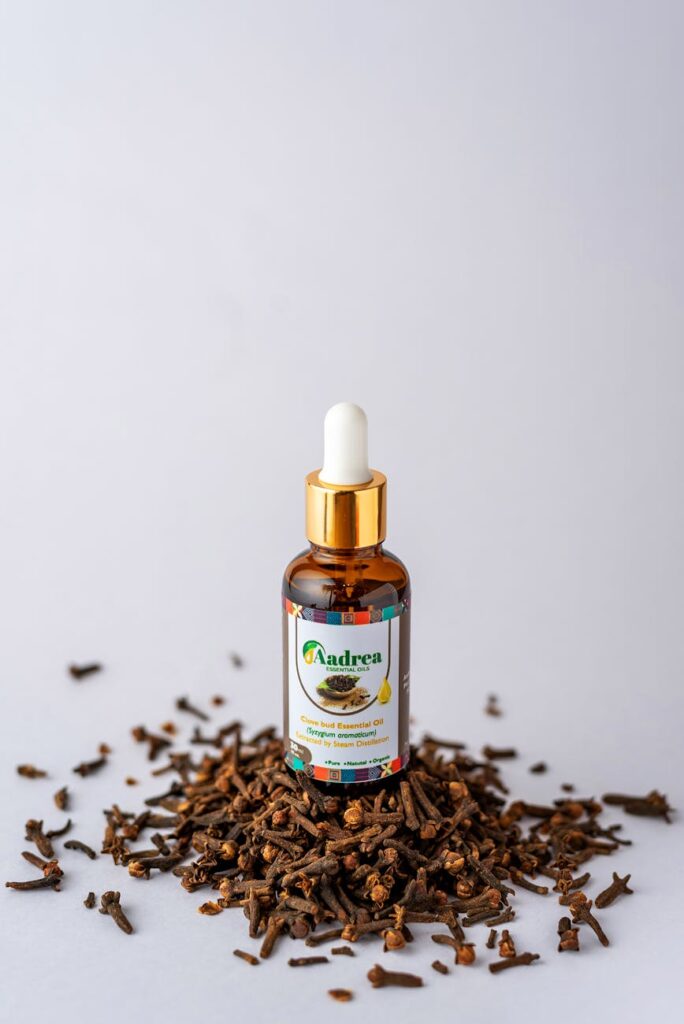
Complete Guide to Herbal Extracts Part 4
Introduction
Herbal extracts have been utilized for centuries across various cultures for their aromatic, therapeutic, and culinary properties. This guide delves into the fascinating world of herbal extracts, elucidating their definitions, benefits, common uses, and applications in aromatherapy. As natural substances derived from plants, herbal extracts hold a significant place in holistic wellness, perfumery, and culinary arts.
What Are Herbal Extracts?
Herbal extracts are concentrated forms of plant materials that capture the essence of the plant’s beneficial properties. These extracts can be obtained through various methods, including solvent extraction, steam distillation, and maceration. The resulting product can vary in concentration, form, and application, ranging from tinctures and oils to powders and capsules.
The primary goal of creating herbal extracts is to enhance the bioavailability of specific plant compounds, making them easier to absorb and utilize by the body or for other purposes. The extraction process often focuses on particular components such as flavonoids, alkaloids, terpenes, and essential oils, which contribute to the plant’s distinctive characteristics.
Key Benefits and Properties
Herbal extracts possess a myriad of benefits, largely due to their rich composition of phytochemicals. Here are some of the key benefits and properties commonly associated with herbal extracts:
Antioxidant Properties
Many herbal extracts are high in antioxidants, which help combat oxidative stress in the body. This property can contribute to overall health and well-being.
Anti-inflammatory Effects
Certain herbal extracts are renowned for their anti-inflammatory properties, which may help alleviate discomfort associated with inflammation.
Mood Enhancement
Some extracts are believed to have mood-lifting properties, making them useful in aromatherapy and emotional wellness practices.
Immune Support
Several herbal extracts are thought to bolster the immune system, providing support during seasonal changes or periods of increased stress.
Skin Health
Many herbal extracts are used in skincare formulations due to their soothing and rejuvenating properties. They can help address various skin concerns, from dryness to irritation.
Common Uses
Herbal extracts can be utilized in various domains, including:
Culinary Applications
Herbal extracts like vanilla, peppermint, and basil are popular in cooking and baking, adding distinctive flavors to dishes and beverages.
Cosmetic Products
In the beauty industry, herbal extracts are incorporated into lotions, creams, and serums for their nourishing and therapeutic properties.
Dietary Supplements
Many herbal extracts are available in capsule or tincture form as dietary supplements, aimed at supporting overall health and well-being.
Natural Remedies
Herbal extracts are often used in traditional medicine systems, including Ayurveda and Traditional Chinese Medicine, to address a variety of health concerns.
Aromatherapy Applications
Aromatherapy is a holistic practice that utilizes the aromatic properties of essential oils and herbal extracts to promote physical and emotional well-being. Some common applications in aromatherapy include:
Diffusion
Herbal extracts can be diffused in the air using essential oil diffusers, which disperse the scent and therapeutic benefits throughout a space. This method is commonly used for relaxation, stress relief, and mood enhancement.
Topical Application
When diluted with a carrier oil, herbal extracts can be applied directly to the skin. This method is often used for localized relief or for enhancing skin care routines.
Inhalation
Direct inhalation of herbal extracts can be beneficial for respiratory health and emotional balance. This practice often involves adding a few drops of essential oil to a bowl of hot water or inhaling directly from the bottle.
Bathing
Adding herbal extracts to bathwater is a luxurious way to enjoy their benefits while promoting relaxation and skin health.
Safety Considerations
While herbal extracts offer numerous benefits, it is essential to approach their use with caution. Here are some key safety considerations:
Allergies and Sensitivities
Some individuals may have allergies or sensitivities to specific plants. It is advisable to perform a patch test on a small area of skin before applying any new herbal extract topically.
Dilution
Many herbal extracts, particularly essential oils, should be diluted with a carrier oil before topical application. This dilution minimizes the risk of skin irritation.
Pregnancy and Nursing
Pregnant or nursing individuals should consult with a qualified professional before using herbal extracts, as some may not be safe during these periods.
Drug Interactions
Herbal extracts can interact with certain medications. It is crucial to consult with a healthcare provider before incorporating herbal extracts into your routine, especially if you are on medication.
Storage and Shelf Life
Proper storage of herbal extracts is vital to maintaining their potency and effectiveness. Here are some key storage guidelines:
Keep Away from Light
Most herbal extracts should be stored in dark glass containers to protect them from light, which can degrade their quality over time.
Store in a Cool, Dry Place
Heat and humidity can negatively impact the integrity of herbal extracts. It’s best to store them in a cool, dry location away from direct sunlight and heat sources.
Check Expiration Dates
Each herbal extract will have a different shelf life, often indicated on the packaging. It is advisable to use extracts within their recommended time frame to ensure optimal effectiveness.
Regularly Inspect for Changes
Before using any herbal extract, check for changes in color, aroma, or consistency, which may indicate spoilage.
Frequently Asked Questions
1. What is the difference between essential oils and herbal extracts?
Essential oils are concentrated aromatic compounds extracted from plants, primarily through steam distillation. In contrast, herbal extracts may encompass a broader range of products, including tinctures, powders, and oils, which may not necessarily be aromatic.
2. Can herbal extracts be ingested?
Some herbal extracts are safe for ingestion, particularly those formulated as dietary supplements. However, it is essential to follow dosage recommendations and consult with a healthcare provider before consuming any herbal extract.
3. Are herbal extracts safe for children?
The safety of herbal extracts for children can vary widely depending on the specific extract and its concentration. It is advisable to consult a healthcare professional for guidance on the use of herbal extracts for children.
4. How do I choose the right herbal extract for my needs?
Choosing the right herbal extract depends on your specific needs and preferences. Researching the properties and benefits of various extracts, as well as consulting with a knowledgeable professional, can help you make an informed choice.
5. Can I make my own herbal extracts at home?
Yes, you can create your own herbal extracts at home using various methods, such as infusing herbs in oil or alcohol. However, it’s essential to follow proper guidelines and safety measures to ensure quality and effectiveness.
Conclusion
Herbal extracts are a unique and versatile addition to the world of natural remedies, culinary delights, and aromatherapy. Understanding their properties, uses, and safety considerations can empower individuals to incorporate these potent plant-based substances into their daily lives. As with any natural product, knowledge and caution are key to unlocking the full potential of herbal extracts, enhancing both well-being and enjoyment.