
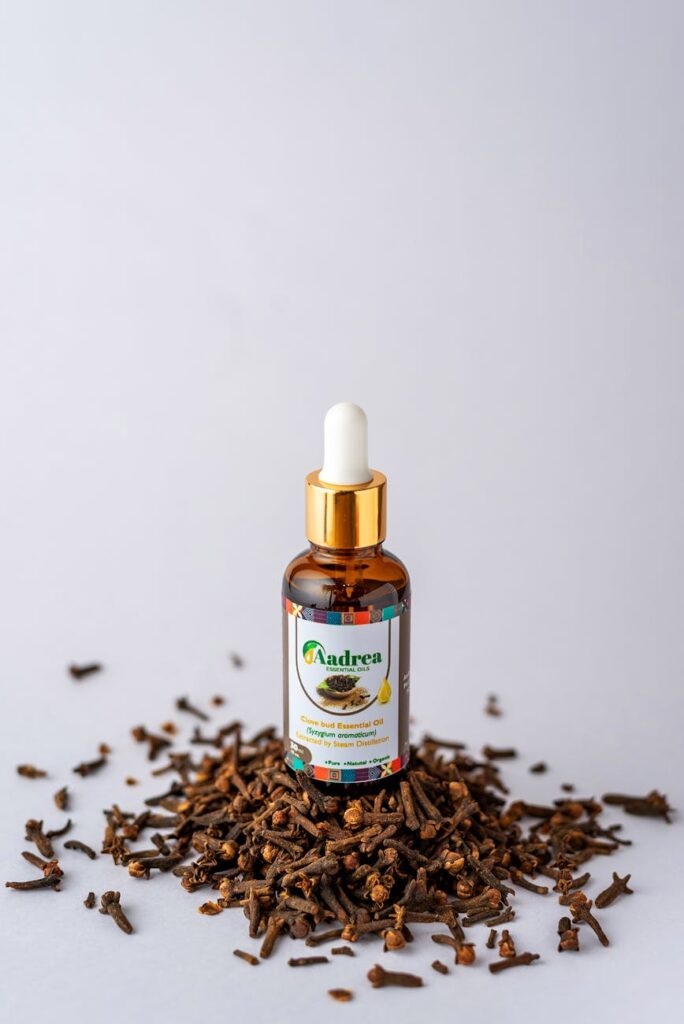
Complete Guide to Herbal Extracts Part 5
Introduction
Herbal extracts have been utilized for centuries across various cultures for their aromatic, therapeutic, and culinary properties. In this fifth installment of our comprehensive guide, we delve deeper into the world of herbal extracts, exploring their definition, benefits, common uses, and safety considerations. This article aims to equip readers with an understanding of herbal extracts that can enhance their appreciation and application in everyday life.
What Are Herbal Extracts?
Herbal extracts are concentrated forms of the active compounds found in plants. They are typically created using solvents such as water, alcohol, or glycerin, which draw out the beneficial constituents of the plant material. These extracts can be derived from various parts of the plant, including leaves, flowers, stems, roots, and seeds.
The extraction process can vary significantly depending on the desired outcome. Common methods include:
- Maceration: Soaking plant material in a solvent to extract compounds.
- Percolation: Slowly passing a solvent through the plant material, allowing extraction over time.
- Steam Distillation: A method often used for essential oils, where steam is passed through plant material to collect volatile compounds.
- Culinary Uses: They can enhance the flavor of dishes and beverages. For instance, vanilla extract is widely used in baking, while peppermint extract can add a refreshing note to drinks.
- Cosmetic Products: Many herbal extracts serve as natural ingredients in skincare and haircare formulations due to their beneficial properties.
- Household Products: Some extracts, such as lavender or tea tree, are used in cleaning products for their pleasant scents and antimicrobial properties.
- Aromatherapy: Extracts are commonly incorporated into diffusers, massage oils, and other aromatherapy products to promote relaxation and well-being.
- Lavender Extract: Known for its calming effects, lavender extract can help reduce stress and promote sleep. It is often used in diffusers, bath products, and massage oils.
- Peppermint Extract: This invigorating extract is frequently used to enhance mental clarity and focus. It can be found in inhalers or blended into massage oils for relief from tension headaches.
- Eucalyptus Extract: Renowned for its refreshing aroma, eucalyptus extract is often used to support respiratory health. It can be diffused or added to steam inhalation practices.
- Rosemary Extract: This extract is associated with improved memory and concentration. It is commonly used in diffusers or blended into hair care products for its stimulating properties.
- Cool, Dark Place: Store herbal extracts in a cool, dark environment away from direct sunlight and heat sources, which can degrade the extract over time.
- Airtight Containers: Ensure that the container is tightly sealed to prevent contamination and evaporation of volatile compounds.
- Refrigeration: Some herbal extracts benefit from refrigeration, especially those that are water-based or contain perishable ingredients.
- Expiration Dates: Always check for expiration dates or recommended shelf life on the label. Typically, herbal extracts can last from one to three years, depending on the extraction method and ingredients.
Each method yields a different type of extract, influencing the concentration and properties of the final product.
Key Benefits and Properties
Herbal extracts are celebrated for their diverse range of benefits and properties, which can vary widely depending on the plant source. Some key attributes include:
1. Antioxidant Properties: Many herbal extracts are rich in antioxidants, which help combat oxidative stress in the body.
2. Anti-inflammatory Effects: Certain extracts can help reduce inflammation, which is beneficial for overall health.
3. Mood Enhancement: Some herbal extracts are known for their uplifting properties, promoting emotional well-being.
4. Digestive Support: Various extracts can aid digestion and soothe stomach discomfort.
5. Immune Support: Certain herbs exhibit antimicrobial properties that can support the immune system.
It is essential to recognize that the benefits of herbal extracts are often rooted in traditional use and anecdotal evidence. While many people report positive effects, scientific research is ongoing to validate these claims.
Common Uses
Herbal extracts can be utilized in a variety of applications, including:
Aromatherapy Applications
Aromatherapy is a holistic practice that uses essential oils and herbal extracts to enhance physical and emotional well-being. Here are some popular herbal extracts used in aromatherapy and their applications:
When using herbal extracts in aromatherapy, it is crucial to consider personal preferences and sensitivities, as individual responses to scents can vary significantly.
Safety Considerations
While herbal extracts are generally considered safe, it is essential to take certain precautions:
1. Allergic Reactions: Some individuals may be allergic to specific herbal extracts. It is advisable to conduct a patch test before applying topical products.
2. Dosage: When using herbal extracts, especially in concentrated forms, moderation is key. Overconsumption can lead to adverse effects.
3. Interactions with Medications: Certain herbal extracts may interact with prescription medications. It is wise to consult with a healthcare provider if you are taking medications.
4. Pregnancy and Nursing: Pregnant or nursing individuals should exercise caution and consult a healthcare professional before using herbal extracts.
It is important to note that herbal extracts should not replace conventional medical treatments. Rather, they can complement a holistic approach to well-being.
Storage and Shelf Life
Proper storage of herbal extracts is crucial to maintain their potency and effectiveness. Here are some guidelines to consider:
Frequently Asked Questions
1. How are herbal extracts different from essential oils?
Herbal extracts are concentrated forms of plant compounds that may contain a variety of constituents, including essential oils, while essential oils are highly concentrated volatile compounds typically obtained through distillation. Herbal extracts often retain more of the plant’s full spectrum of properties.
2. Can I make herbal extracts at home?
Yes, it is possible to create herbal extracts at home using methods such as maceration or infusing oils with herbs. However, it is essential to follow proper guidelines and maintain hygiene during the process to ensure safety and efficacy.
3. Are herbal extracts safe for children?
While many herbal extracts are considered safe, some may not be suitable for children. Always consult a healthcare professional before giving herbal products to children.
4. Can herbal extracts be used in cooking?
Yes, various herbal extracts are commonly used in culinary applications to enhance flavor. However, it is important to use them in moderation, as concentrated extracts can be potent.
5. How can I choose the right herbal extract for my needs?
Choosing the right herbal extract depends on your specific needs and preferences. Research the properties of different herbs, consider any sensitivities or allergies, and consult with knowledgeable sources to make an informed decision.
Conclusion
Herbal extracts represent a fascinating intersection of nature and human experience, offering a wide array of benefits and applications. By understanding their properties, uses, and safety considerations, individuals can harness the power of these plant-derived substances in their daily lives. Whether you are interested in culinary adventures, aromatherapy, or natural products, herbal extracts can enrich your experiences and contribute to holistic well-being. As with all natural products, knowledge and caution are essential in maximizing their potential benefits.