
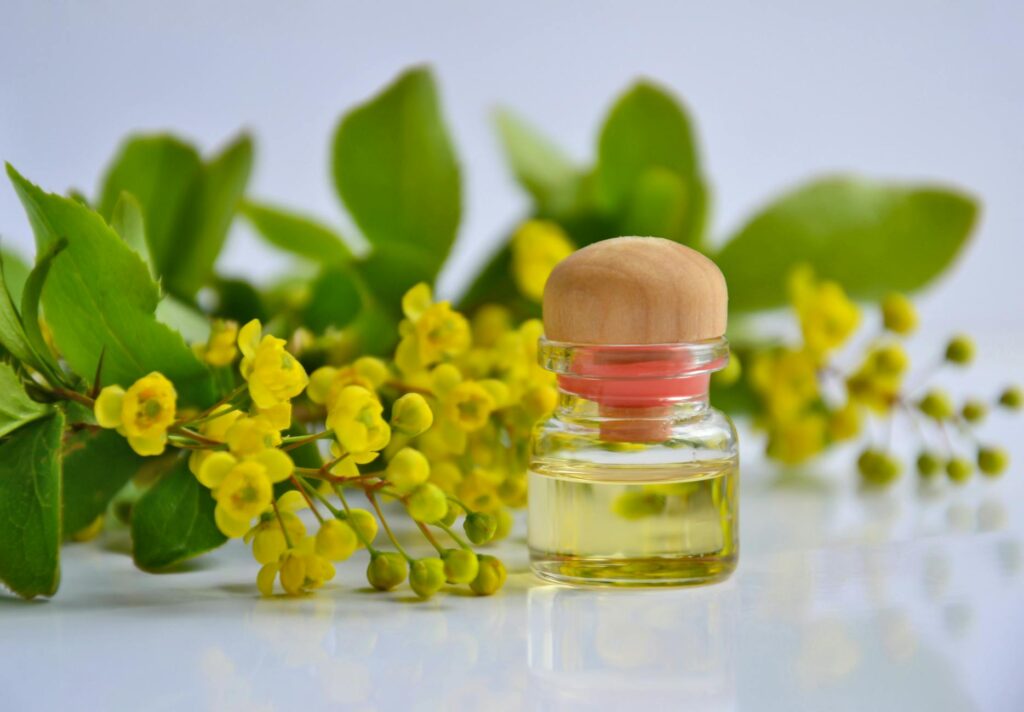
Complete Guide to Herbal Extracts Part 7
Introduction
Herbal extracts have been utilized for centuries across various cultures for their potential benefits and applications. As we delve deeper into the world of herbal extracts in this seventh installment of our series, we aim to provide an informative overview of their properties, uses, and considerations for safe application. Understanding herbal extracts can enhance not only your knowledge of natural remedies but also your appreciation for the rich tapestry of botany and herbalism.
What Are Herbal Extracts?
Herbal extracts are concentrated forms of the active compounds found in plants. They are obtained through various extraction methods that allow the beneficial constituents of the herbs to be harnessed in a more potent form. Common methods of extraction include:
- Infusion: Soaking herbs in hot water, similar to preparing tea, to draw out the essential properties.
- Decoction: Boiling tougher plant materials, such as roots or seeds, to extract their active components.
- Alcohol extraction (Tinctures): Using alcohol to dissolve and concentrate the beneficial constituents of the plant.
- Steam distillation: A method primarily used for essential oils, where steam is passed through the plant material to capture volatile compounds.
- Antioxidant Properties: Many herbal extracts are rich in antioxidants, which help combat oxidative stress in the body.
- Anti-inflammatory Effects: Certain extracts may exhibit anti-inflammatory properties, helping to reduce swelling and discomfort.
- Digestive Support: Various herbal extracts are known to support digestive health through their ability to stimulate digestion or soothe gastrointestinal discomfort.
- Mood Enhancement: Some plants have been shown to influence mood positively, providing calming effects or boosting energy levels.
- Antimicrobial Activity: Several herbal extracts possess natural antimicrobial properties, which can help combat various pathogens.
- Culinary Uses: Many herbal extracts, such as vanilla or peppermint, are commonly used to enhance flavors in cooking and baking.
- Cosmetic Products: Herbal extracts like chamomile and calendula are often incorporated into skincare products for their soothing and nourishing properties.
- Household Cleaning Products: Certain extracts, such as tea tree oil, are utilized for their antimicrobial qualities in natural cleaning solutions.
- Aromatherapy: Various herbal extracts are central to aromatherapy practices, contributing to emotional and psychological well-being.
- Supplements: Herbal extracts are widely available in supplement form, providing concentrated doses of beneficial compounds.
- Diffusion: Adding herbal extracts to a diffuser allows their aromatic properties to fill a space, creating a calming or invigorating atmosphere.
- Topical Application: Diluted herbal extracts can be applied to the skin to provide localized benefits. Popular options include lavender for relaxation and peppermint for revitalization.
- Bath Additives: Herbal extracts can be added to bathwater for a soothing experience, enhancing relaxation and comfort.
- Inhalation: Inhaling the aroma of concentrated herbal extracts can help alleviate stress or enhance focus.
- Allergic Reactions: Some individuals may be allergic to specific herbal extracts. It is advisable to conduct a patch test when using a new extract topically.
- Dilution: Many herbal extracts, especially essential oils, should be diluted before topical application to prevent skin irritation.
- Pregnancy and Nursing: Certain herbal extracts may not be suitable for pregnant or nursing women. Consultation with a healthcare professional is recommended.
- Interactions with Medications: Some herbal extracts can interact with prescription medications. It is essential to consult with a healthcare provider if you are taking medication.
- Quality of Extracts: Ensure that you are using high-quality herbal extracts from reputable sources, as the concentration and purity can differ significantly between brands.
- Light Protection: Store herbal extracts in dark glass containers to protect them from light, which can degrade their quality.
- Temperature Control: Keep extracts in a cool, dry place, away from direct heat sources and humidity.
- Sealing: Ensure that containers are tightly sealed to minimize exposure to air, which can lead to oxidation and spoilage.
- Expiration Dates: Check expiration dates on commercially produced extracts and use homemade extracts within a reasonable time frame, typically within six months to a year.
These extracts can vary in concentration and potency, depending on the method used and the specific plant material involved.
Key Benefits and Properties
Herbal extracts are valued for their diverse benefits and properties, which can vary widely from one plant to another. Some of the notable attributes include:
These properties make herbal extracts popular in herbalism, herbal medicine, and wellness practices.
Common Uses
The versatility of herbal extracts allows them to be employed in numerous applications, including:
Aromatherapy Applications
Aromatherapy is a holistic healing practice that utilizes the aromatic properties of essential oils and herbal extracts to promote physical and emotional well-being. Common applications of herbal extracts in aromatherapy include:
When using herbal extracts in aromatherapy, it is essential to understand their properties and choose blends that align with your intentions.
Safety Considerations
While herbal extracts can offer numerous benefits, it is crucial to approach their use with caution. Here are essential safety considerations:
Storage and Shelf Life
Proper storage of herbal extracts is vital to maintain their efficacy and extend their shelf life. Here are some key points to consider:
Following these storage guidelines can help preserve the integrity of herbal extracts for longer periods.
Frequently Asked Questions
1. What is the difference between herbal extracts and essential oils?
Herbal extracts are concentrated forms of plant materials that may include both volatile and non-volatile compounds. Essential oils, on the other hand, are highly concentrated volatile oils obtained through methods like steam distillation, primarily focusing on the aromatic components of the plant.
2. How should I choose an herbal extract?
When selecting an herbal extract, consider factors like the plant’s intended use, the extraction method, and the concentration of active compounds. Research reputable brands and read labels carefully to ensure quality.
3. Can I use herbal extracts internally?
While some herbal extracts are safe for internal use, others are intended for topical or aromatic applications only. Always research the specific extract and consult with a knowledgeable professional before ingesting any herbal product.
4. How do I know if an herbal extract is of high quality?
High-quality herbal extracts should be sourced from reputable suppliers, clearly labeled with their extraction methods, and free from additives or synthetic ingredients. Additionally, look for certifications or third-party testing.
5. Are there any contraindications for using herbal extracts?
Yes, some herbal extracts may not be suitable for individuals with certain health conditions, pregnant or nursing women, or those on specific medications. Always consult with a healthcare professional before starting any new herbal regimen.
Conclusion
Herbal extracts are a fascinating aspect of natural remedies and wellness practices. Understanding their properties, applications, and safety considerations can empower individuals to incorporate these extracts meaningfully into their lives. By respecting the potency of herbal extracts and using them responsibly, one can enjoy the myriad benefits these natural wonders have to offer. As you continue your exploration of herbal extracts, may you find joy in the knowledge and potential of the plant kingdom.