
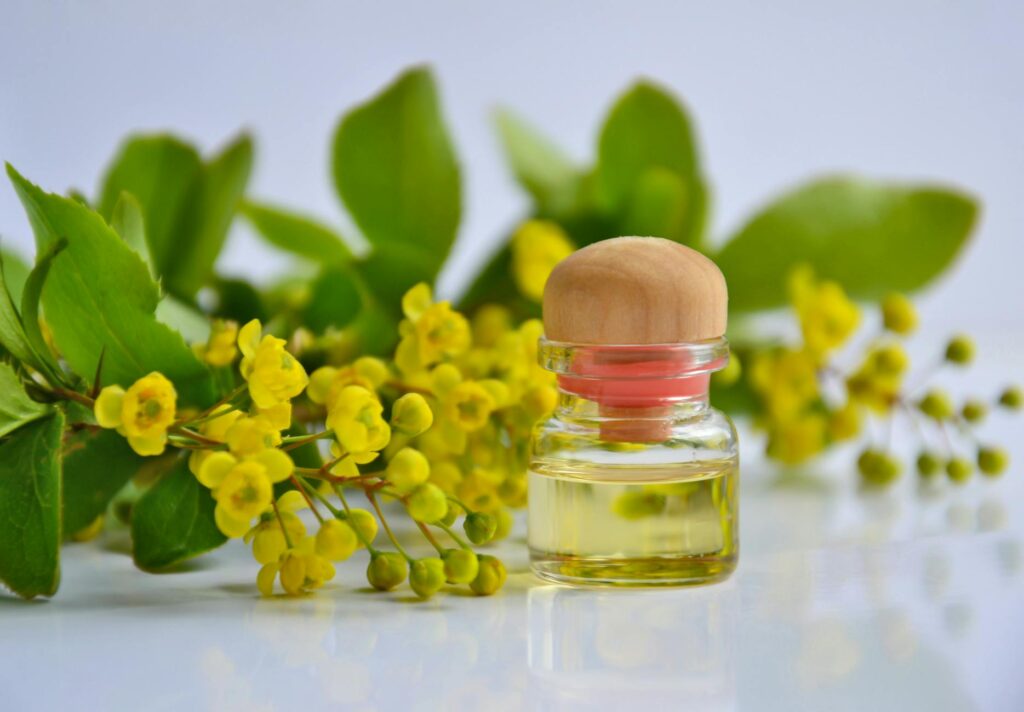
Complete Guide to Herbal Immune Support Essential Oil Blends
Introduction
In an increasingly fast-paced world, many individuals are seeking natural alternatives to bolster their immune systems. Herbal immune support essential oil blends provide a holistic approach to wellness, utilizing the inherent properties of various botanicals to support overall health and vitality. This guide explores the foundations, benefits, applications, and safety considerations related to these aromatic blends.
What Is Herbal Immune Support Essential Oil Blends?
Herbal immune support essential oil blends are formulations crafted from the concentrated extracts of plants, known for their therapeutic properties. These oils are derived from different parts of plants, including leaves, flowers, stems, and roots, and are often combined to enhance their efficacy. The blends typically include essential oils that are recognized for their potential to support the immune system, promote overall wellness, and combat environmental stressors.
Common essential oils found in immune support blends include:
- Tea Tree Oil (Melaleuca alternifolia)
- Eucalyptus Oil (Eucalyptus globulus)
- Lemon Oil (Citrus limon)
- Lavender Oil (Lavandula angustifolia)
- Peppermint Oil (Mentha piperita)
- Antimicrobial Properties: Many essential oils possess natural antimicrobial qualities, which can help combat bacteria, viruses, and fungi. For instance, tea tree oil is well-regarded for its antiseptic properties.
- Anti-inflammatory Effects: Certain oils, such as eucalyptus and lavender, may help reduce inflammation, potentially supporting the body’s natural defenses.
- Respiratory Support: Oils like eucalyptus and peppermint can help clear airways and support respiratory function, often beneficial during cold or allergy seasons.
- Mood Enhancement: The aromatic compounds in these oils can uplift mood and reduce stress, which may indirectly support immune function by promoting overall well-being.
- Antioxidant Properties: Many essential oils are rich in antioxidants, which help protect cells from damage caused by free radicals.
- Respiratory Support Blend: Combine eucalyptus, peppermint, and lemon oils. This blend can be diffused during the cold season to promote clearer airways and enhance breathing.
- Stress Relief Blend: A combination of lavender and chamomile oils can be used to promote relaxation and reduce stress, which may indirectly support immune health.
- Energizing Blend: Citrus oils like lemon and orange, along with a hint of peppermint, can create an uplifting atmosphere and boost mood, supporting overall wellness.
- Antimicrobial Cleaning Blend: A mixture of tea tree oil, lemon, and lavender can be used for household cleaning, offering both a pleasant scent and antimicrobial properties.
- Dilution: Essential oils should always be diluted with a carrier oil before topical application to prevent skin irritation. A common dilution ratio is one to two drops of essential oil per teaspoon of carrier oil.
- Allergies and Sensitivities: Individuals should perform a patch test before widespread topical application to check for allergic reactions.
- Pregnancy and Nursing: Some essential oils are contraindicated during pregnancy or nursing. Consulting a knowledgeable professional is advised in such cases.
- Children and Pets: Certain essential oils can be toxic to children and pets. Always research the safety of specific oils before use around them.
- Internal Use: Essential oils are highly concentrated and should not be ingested unless under the guidance of a qualified professional.
- Dark Glass Containers: Store essential oils in dark glass bottles to protect them from light, which can degrade their quality.
- Cool, Dry Place: Keep oils in a cool, dry location, away from direct sunlight and heat sources.
- Tightly Sealed: Always ensure that bottles are tightly sealed to prevent evaporation and contamination.
- Shelf Life: Most essential oils have a shelf life of 1-3 years, although citrus oils may have a shorter shelf life. Regularly check for any changes in smell or appearance.
These oils are typically chosen not only for their individual properties but also for their synergistic effects when combined.
Key Benefits and Properties
Herbal immune support essential oil blends offer a variety of benefits, including:
Common Uses
Herbal immune support essential oil blends can be utilized in a variety of ways, each serving to enhance their effectiveness:
1. Diffusion: Using an essential oil diffuser allows the aromatic compounds to disperse into the air, promoting respiratory health and mood enhancement.
2. Inhalation: Direct inhalation of essential oils can be effective, particularly during respiratory discomfort. A few drops can be placed on a tissue or cotton ball for inhalation.
3. Topical Application: Essential oils can be diluted with carrier oils (such as coconut or jojoba oil) for topical use. This method can help target specific areas of the body, such as the chest or sinuses.
4. Baths: Adding essential oils to bathwater can create a relaxing experience while providing the benefits of aromatherapy.
5. Household Cleaning: Some essential oils can be incorporated into cleaning products for their antimicrobial properties, providing a dual function of cleaning and purifying the air.
Aromatherapy Applications
The application of herbal immune support essential oils in aromatherapy is both versatile and beneficial. Here are a few popular blends and their intended uses:
Safety Considerations
While essential oils are generally safe when used appropriately, there are several safety considerations to keep in mind:
Storage and Shelf Life
To maintain the integrity of essential oils, proper storage is essential. Here are some tips:
Frequently Asked Questions
1. Can essential oils replace traditional medicine?
Essential oils should not be seen as a replacement for traditional medicine. They can complement wellness practices but should be used as part of a holistic approach.
2. How can I create my own herbal immune support blend?
Creating your own blend involves selecting essential oils known for immune support and combining them in appropriate ratios. Start with a few drops of each oil and adjust according to your preferences.
3. Are there any essential oils I should avoid?
Some essential oils can be irritating or harmful, particularly to sensitive individuals. Oils such as cinnamon and clove can be particularly potent and should be used with caution.
4. How often can I use essential oils for immune support?
Usage frequency can vary based on the method of application. Diffusing oils can be done several times a day, while topical applications are best limited to a few times a day to avoid skin irritation.
5. Can I use essential oils during flu season?
Yes, herbal immune support essential oils can be beneficial during flu season, especially when used in diffusers or as part of a cleaning routine to reduce airborne pathogens.
Conclusion
Herbal immune support essential oil blends offer a natural way to enhance wellness and promote immune health. By understanding the properties, benefits, and applications of these oils, individuals can effectively incorporate them into their daily routines. As with any natural remedy, responsible use and proper safety practices are essential to maximize their benefits while minimizing risks. Always consider personal sensitivities and consult with knowledgeable sources when exploring the world of essential oils.