
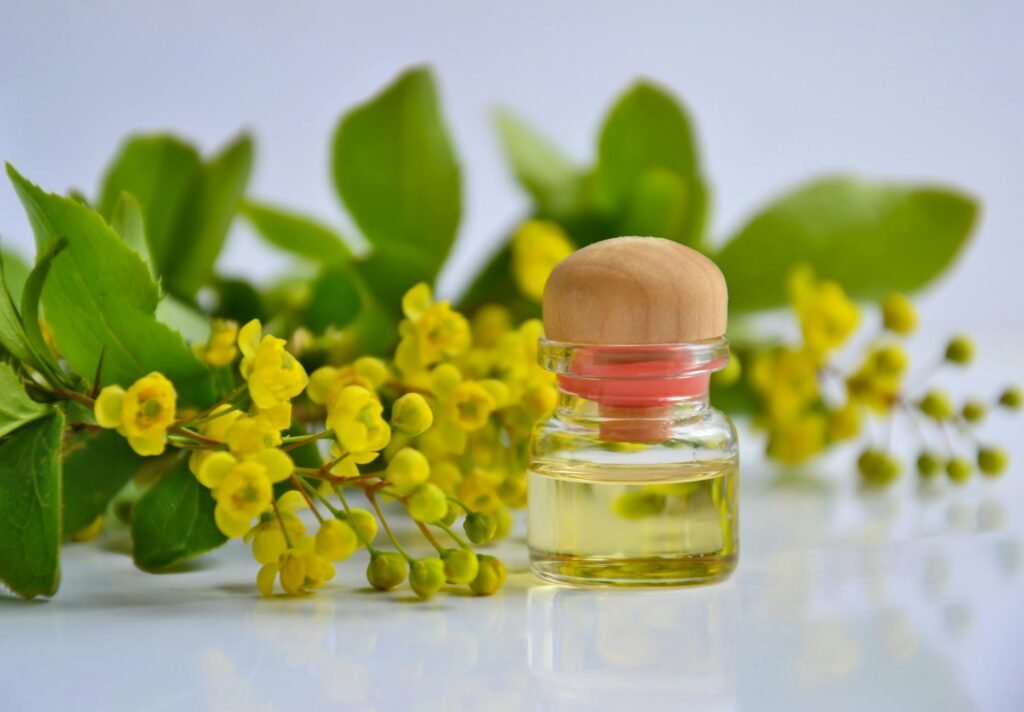
Complete Guide to Herbal Infused Oils for Aromatherapy
Introduction
Aromatherapy, the practice of using natural plant extracts for therapeutic purposes, has gained significant attention in recent years. Among the various components of aromatherapy, herbal infused oils play a crucial role. These oils, derived from the infusion of herbal materials into carrier oils, encapsulate the essence of the plants, enabling users to harness their aromatic and therapeutic properties. This guide provides an in-depth exploration of herbal infused oils, their benefits, applications, and safety considerations.
What Are Herbal Infused Oils for Aromatherapy?
Herbal infused oils are created by steeping dried or fresh herbs in a carrier oil, allowing the oil to absorb the plant’s essential compounds, flavors, and aromas. The carrier oils commonly used include olive oil, jojoba oil, sweet almond oil, and grapeseed oil. The infusion process typically involves combining the herbs with the chosen oil and allowing them to steep over time, either through a cold infusion method or a gentle heat method.
The resulting herbal infused oil retains the characteristics of the herbs, making it suitable for various applications, including skin care, massage, and aromatic use. Unlike essential oils, which are highly concentrated extracts obtained through distillation or cold pressing, herbal infused oils are milder and more versatile, making them accessible to a broader audience.
Key Benefits and Properties
Herbal infused oils offer an array of benefits and properties that contribute to their popularity in aromatherapy. Some key advantages include:
1. Aromatic Qualities
The infusion process allows the extraction of the natural fragrances of herbs, providing a rich aromatic experience. These scents can enhance mood, promote relaxation, and create a soothing atmosphere.
2. Skin Nourishment
Many herbal infused oils possess beneficial properties for skin health. They can provide hydration, promote skin elasticity, and offer soothing effects for various skin conditions.
3. Massage Benefits
When used in massage, herbal infused oils can facilitate relaxation and relieve tension in the muscles. Their nourishing qualities can enhance the overall massage experience.
4. Versatility
Herbal infused oils can be used in various applications, from topical use to incorporation in DIY beauty products. They can also serve as a base for creating personalized blends with essential oils.
Common Uses
Herbal infused oils have a diverse range of uses, including:
1. Skin Care
Herbal infused oils can be applied directly to the skin or incorporated into creams and lotions. Common herbs used for skin care include calendula, chamomile, and lavender, known for their soothing and anti-inflammatory properties.
2. Hair Care
These oils can also be beneficial for hair health. Infusions made with rosemary or nettle can promote scalp health and enhance hair shine.
3. Therapeutic Massage
When blended with essential oils or used alone, herbal infused oils can offer a nurturing experience during massages. For instance, an infusion of arnica can help soothe sore muscles.
4. Aromatic Use
Herbal infused oils can be used in diffusers, oil burners, or simply inhaled directly from the bottle. Popular options include infused oils made from peppermint or eucalyptus for promoting respiratory comfort.
5. Culinary Uses
Certain herbal infused oils, like basil or oregano, are suitable for culinary applications, adding flavor and aroma to dishes while also providing potential health benefits.
Aromatherapy Applications
The application of herbal infused oils in aromatherapy can take various forms, each offering unique experiences:
1. Diffusion
Herbal infused oils can be added to a diffuser to disperse their aroma throughout a room. This method enhances the ambiance and can create a calming environment.
2. Topical Application
Before applying herbal infused oils to the skin, it is advisable to perform a patch test to ensure there are no allergic reactions. These oils can be massaged into the skin for localized benefits or used in skincare formulations.
3. Bathing
Adding herbal infused oils to bath water can create a relaxing experience. Oils like lavender or chamomile can help promote relaxation during bath time.
4. Inhalation
Aromatic inhalation can be achieved by placing a few drops of herbal infused oil on a tissue or cloth and breathing in the aroma. This method can be beneficial for enhancing focus or relaxation.
Safety Considerations
While herbal infused oils are generally considered safe for use, there are several important safety considerations to keep in mind:
1. Skin Sensitivity
Always perform a patch test before applying herbal infused oils to larger areas of the skin. Some individuals may have sensitivities to certain herbs, leading to allergic reactions or irritation.
2. Quality of Ingredients
Ensure that the herbs and carrier oils used for infusion are of high quality, preferably organic and free from additives or preservatives. This is crucial for both safety and efficacy.
3. Dilution
If combining herbal infused oils with essential oils, proper dilution is essential. Essential oils are highly concentrated and should be used in moderation.
4. Storage
Proper storage of infused oils is vital to maintain their quality and potency. Store oils in a cool, dark place away from direct sunlight.
Storage and Shelf Life
The shelf life of herbal infused oils can vary depending on the type of carrier oil used and the storage conditions. Generally, herbal infused oils can last anywhere from six months to two years. To maximize shelf life:
1. Use Dark Glass Bottles
Storing oils in dark glass bottles can help protect them from light, which can degrade their quality.
2. Keep in a Cool, Dark Place
Store oils in a cool environment, away from heat sources and sunlight, to prolong their freshness.
3. Check for Signs of Spoilage
Regularly inspect infused oils for any changes in color, smell, or consistency. If the oil develops an off odor or shows signs of rancidity, it is best to discard it.
Frequently Asked Questions
1. Can I make my own herbal infused oils at home?
Yes, making herbal infused oils at home is a straightforward process. You can choose your preferred herbs and carrier oil, following proper infusion methods to create your personalized blends.
2. How long does it take to infuse herbal oils?
Infusion times can vary. Cold infusions may take several weeks, while gentle heat methods can yield results in a few hours to a day.
3. What carrier oils are best for herbal infusions?
Common carrier oils include olive oil, sweet almond oil, jojoba oil, and grapeseed oil. Choose a carrier oil based on your intended use and personal preference.
4. Can I use herbal infused oils on my face?
Yes, many herbal infused oils are suitable for facial use, but it is advisable to choose oils that are non-comedogenic and suitable for your skin type.
5. Are herbal infused oils safe for children and pets?
While many herbal infused oils are gentle, it is essential to consult with a qualified professional regarding their use around children and pets, as some herbs may be unsuitable for them.
Conclusion
Herbal infused oils represent a unique and versatile aspect of aromatherapy, combining the aromatic and therapeutic properties of herbs with the nurturing qualities of carrier oils. By understanding their benefits, applications, and safety considerations, individuals can explore the enriching world of herbal infused oils, enhancing their well-being and creating personalized aromatic experiences. Whether used for skincare, massage, or scenting a space, these oils offer a pathway to connect with nature and promote relaxation and balance in daily life.