
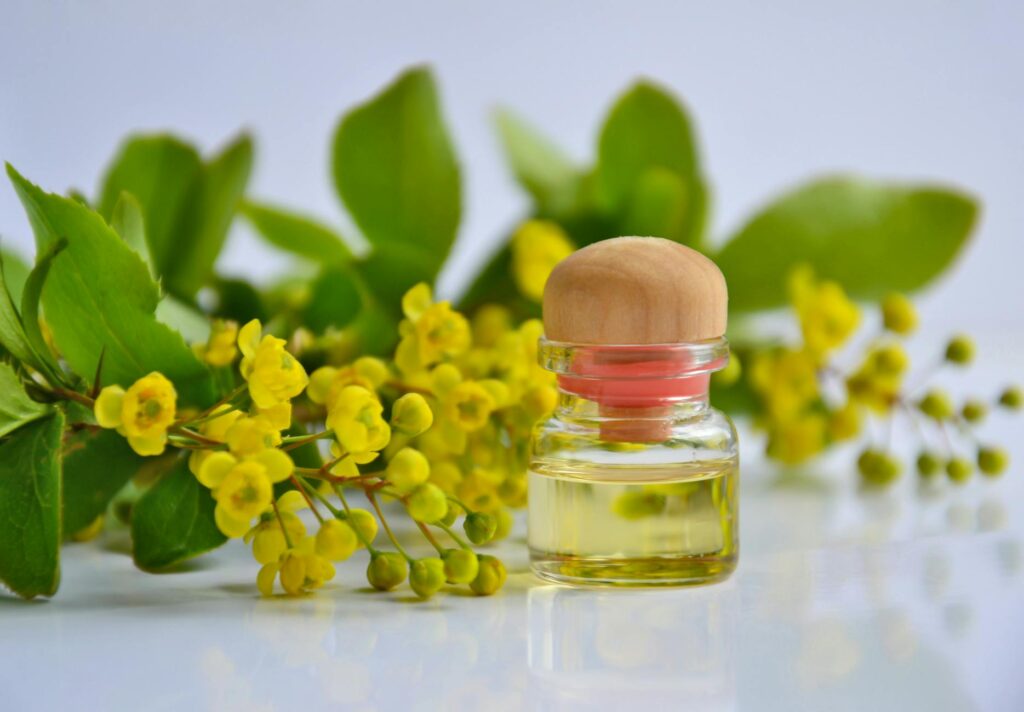
Complete Guide to Herbal Infused Oils for Hair Care
Introduction
In the realm of natural beauty and wellness, herbal infused oils have gained significant attention for their remarkable properties and benefits, particularly in hair care. As people increasingly seek alternatives to chemical-laden products, these oils offer a holistic approach to maintaining healthy hair. This guide delves into what herbal infused oils are, their benefits, common uses, safety considerations, and more.
What Is Herbal Infused Oils for Hair Care?
Herbal infused oils are created by steeping plant materials—such as flowers, leaves, or roots—in a carrier oil over time. This process extracts the essential properties and beneficial compounds of the herbs, resulting in an oil rich in vitamins, minerals, and antioxidants. Common carrier oils include olive oil, coconut oil, jojoba oil, and sweet almond oil. Each carrier oil has its unique properties, which complement the benefits of the infused herbs.
The infusion process may take several weeks or can be expedited through gentle heating methods. The resulting oil can be used directly on hair or combined with other ingredients to enhance its effectiveness.
Key Benefits and Properties
The benefits of herbal infused oils for hair care are manifold, depending on the herbs used in the infusion. Here are some key properties:
1. Nourishment: Many herbal infused oils are rich in essential fatty acids and vitamins, helping to nourish and strengthen hair from the roots to the tips.
2. Moisture Retention: Infused oils can help lock in moisture, making hair more hydrated and less prone to dryness and breakage.
3. Scalp Health: Certain herbs, like rosemary and tea tree, have antimicrobial properties that can promote scalp health and reduce dandruff.
4. Hair Growth: Herbs such as nettle and hibiscus are believed to stimulate hair growth by improving circulation in the scalp.
5. Shine and Luster: Herbal oils can impart a natural shine to hair, making it look healthier and more vibrant.
6. Fragrance: Many infused oils carry the delightful aroma of their herbal constituents, providing a natural fragrance without synthetic additives.
Common Uses
Herbal infused oils can be employed in various ways to enhance hair care routines:
1. Hair Treatments: They can be used as pre-shampoo treatments to nourish and condition hair. Simply apply the oil to dry hair, leave it on for 30 minutes to several hours, and then wash it out.
2. Scalp Massage: A gentle scalp massage with infused oil can stimulate blood circulation, promoting hair growth and enhancing relaxation.
3. Leave-In Conditioner: A small amount of infused oil can be applied to the ends of hair as a leave-in conditioner to combat frizz and add shine.
4. Hot Oil Treatment: Warm the infused oil slightly and apply it to the hair and scalp for a deeply hydrating treatment.
5. Hair Masks: Combine herbal infused oils with other ingredients like honey, yogurt, or avocado to create a nourishing hair mask.
Aromatherapy Applications
In addition to their benefits for hair care, herbal infused oils can also serve as effective aromatherapy agents. The scents of various herbs can evoke emotional responses, promote relaxation, and enhance overall well-being. For instance:
- Lavender-infused oil can promote relaxation and reduce stress, making it an excellent choice for a calming scalp massage.
- Peppermint-infused oil can invigorate the senses and may help to awaken the mind, which can be beneficial during morning routines.
- Containers: Use dark glass bottles for storage, as they protect the oil from light, which can cause degradation.
- Location: Store the oils in a cool, dark place to prolong their shelf life.
- Duration: Generally, herbal infused oils can last from 6 months to a year, depending on the carrier oil used and the infusion process. Always check for any off odors or changes in appearance before use.
When using herbal infused oils for aromatherapy, it’s essential to consider the oil’s scent profile and how it aligns with your desired mood or effect.
Safety Considerations
While herbal infused oils can be beneficial, it’s important to use them safely:
1. Patch Test: Before applying any new oil to your hair or scalp, conduct a patch test on a small area of skin to check for allergic reactions.
2. Quality of Ingredients: Ensure that the herbs and carrier oils used are high-quality and free from contaminants. Organic ingredients are often a safer choice.
3. Dosage: Use infused oils sparingly, especially if you have fine or oily hair, as they can weigh hair down if overused.
4. Avoiding Sensitive Areas: Take care to avoid getting the oil in your eyes or on sensitive skin areas.
5. Pregnancy and Allergies: If pregnant, nursing, or suffering from health conditions, consult with a professional before using herbal infused oils.
Storage and Shelf Life
Proper storage of herbal infused oils is essential for maintaining their efficacy and preventing spoilage:
Frequently Asked Questions
1. Can I make my herbal infused oils at home?
Yes, making herbal infused oils at home is relatively simple. You can choose your preferred carrier oil and herbs, follow the infusion process, and store them properly.
2. Which herbs are best for hair care?
Common herbs for hair care include rosemary, lavender, hibiscus, nettle, and tea tree. Each herb has unique properties, so choose based on your specific hair needs.
3. How often should I use herbal infused oils?
The frequency of use depends on individual hair type and needs. For dry or damaged hair, using it once a week may be beneficial, while those with oily hair may prefer less frequent applications.
4. Are there any side effects associated with herbal infused oils?
While generally safe, some individuals may experience allergic reactions. It’s crucial to patch test new oils and discontinue use if irritation occurs.
5. Can I mix different herbal infused oils?
Yes, blending different infused oils can create customized oil tailored to your hair type and scent preference. Just ensure that the ingredients complement each other.
Conclusion
Herbal infused oils offer a versatile and natural approach to hair care, harnessing the power of plants to nourish, protect, and enhance hair health. By understanding their properties, uses, and safety considerations, individuals can effectively incorporate these oils into their hair care routines. As with any holistic practice, attention to personal needs and preferences will guide the best results, allowing hair to flourish naturally.